Japanese Parents Battle Rare Cancers, Seeking Treatments in Their Children's Lifetime
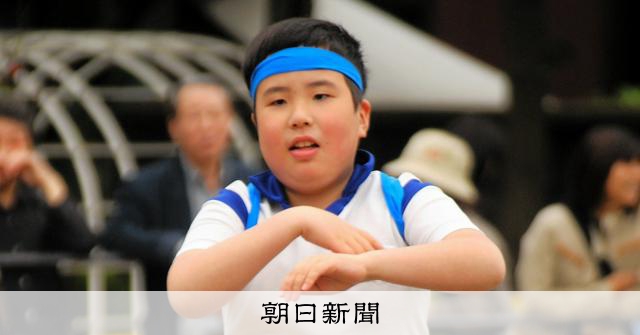
Japanese parents are actively confronting the challenges posed by rare cancers affecting their children, driven by a profound desire to see effective treatments developed and accessible within their children's lifetimes. This urgent quest highlights the significant unmet medical needs for individuals diagnosed with rare oncological conditions. These families are not passively awaiting medical advancements but are proactively engaging with the scientific and medical communities to accelerate research and therapeutic development.
The fight against rare cancers is often characterized by limited research funding, fewer clinical trials, and a scarcity of established treatment protocols compared to more common cancers. Parents are pooling resources, raising awareness, and advocating for policy changes to support research into these less-understood diseases. Their efforts underscore the emotional and financial toll these diagnoses take, alongside the critical need for global collaboration in rare disease research.
The determination of Japanese parents underscores a critical gap in global healthcare systems concerning rare diseases. The inherent challenges in rare cancer research, including smaller patient populations and fragmented data, necessitate innovative approaches to drug development and clinical trials. Future strategies must focus on fostering international collaboration, leveraging advanced data analytics and AI for pattern recognition, and incentivizing pharmaceutical investment in niche therapeutic areas. Addressing these systemic issues is paramount to ensuring equitable access to life-saving treatments for all patients, regardless of the rarity of their condition, and to fulfill the urgent hope of families facing such formidable diagnoses.
AI-generated to prompt reflection — not editorial opinion, not advice, not a statement of fact. How this works.