Japanese PM Takaichi Faces Declining Support Over Controversial Laws
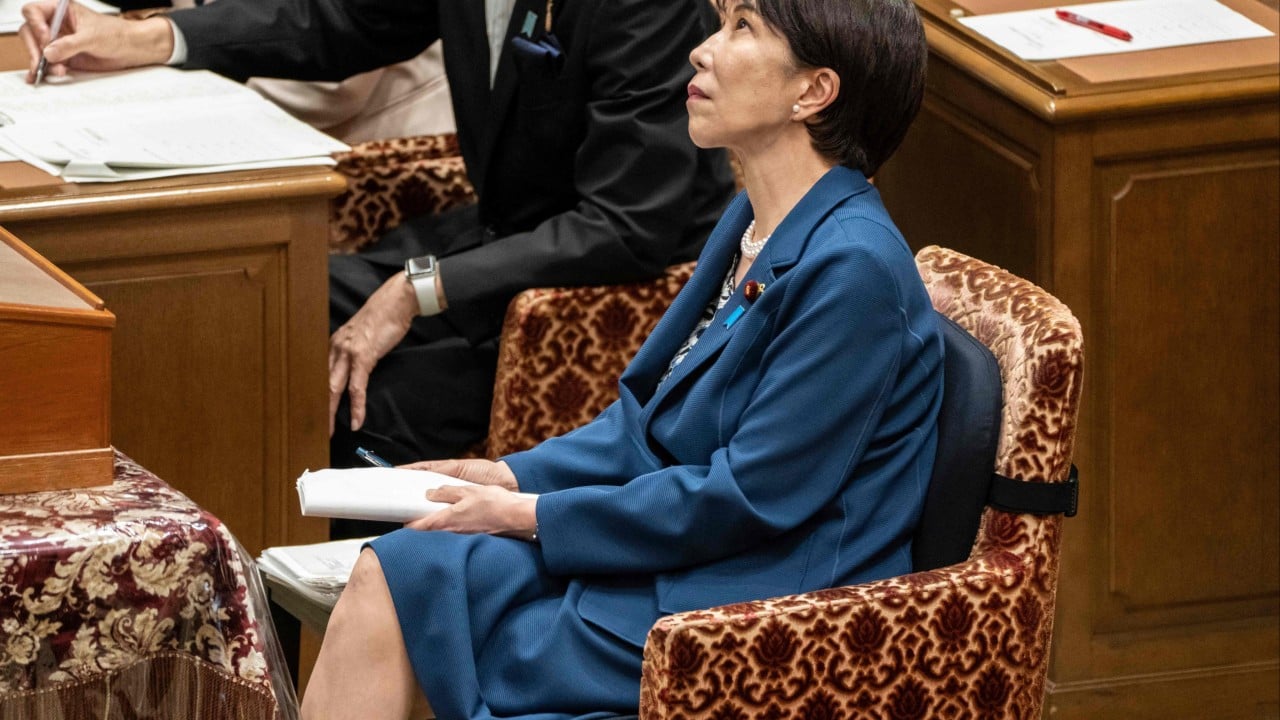
Public support for Japanese Prime Minister Sanae Takaichi is reportedly weakening, according to two recent opinion polls. Takaichi, who secured a significant mandate in February, is facing voter dissatisfaction due to her focus on conservative legislation rather than addressing pressing cost-of-living issues. Analysts suggest that Takaichi's honeymoon period is over, and she has utilized her strong political position to advance policies favored by the most conservative factions within her party. This strategic allocation of political capital appears to be alienating a broader segment of the electorate who expected action on economic concerns. The shift in public sentiment indicates a potential challenge to her leadership and the effectiveness of her policy agenda.
Prime Minister Takaichi's administration appears to be navigating a critical juncture where the prioritization of ideologically driven legislation may be creating a divergence between her policy agenda and immediate public concerns. This dynamic highlights a common challenge in governance: balancing long-term ideological objectives with short-term economic pressures that directly impact constituents. The reported erosion of public support suggests a potential miscalculation in the sequencing of policy implementation, where addressing tangible economic anxieties might have been more effective in solidifying a broader base of public approval. Future strategic considerations could involve a more integrated approach, demonstrating how conservative principles can be applied to solve pressing economic issues, thereby potentially bridging the gap between ideological pursuits and public welfare.
AI-generated to prompt reflection — not editorial opinion, not advice, not a statement of fact. How this works.