Japanese Prime Minister Faces Internal Party Opposition to 1% Consumption Tax Hike
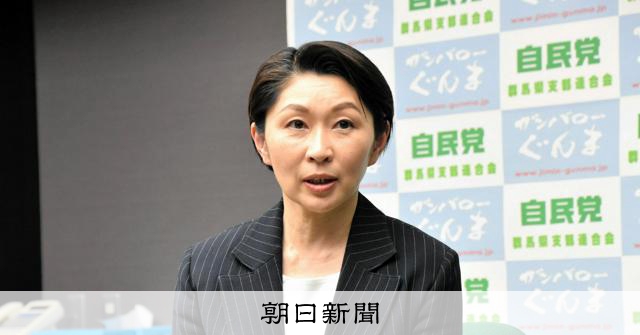
Japanese Prime Minister Fumio Kishida is reportedly facing internal dissent within his Liberal Democratic Party (LDP) regarding a proposed 1% increase in the consumption tax. Sources indicate that some members of the LDP are expressing strong opposition to the tax hike. In response to the growing controversy, former Economy Minister Yū Ishihara has resigned from his position as chairman of the LDP's Tax System Research Committee. Furthermore, another prominent LDP figure, Kōno Tarō, has publicly stated his opposition to the proposed tax increase. The exact details of the proposed tax hike and the specific reasons for the internal party backlash are not fully elaborated in the provided text. However, the situation highlights a potential challenge for the Prime Minister in securing party consensus on fiscal policy measures.
The reported internal party opposition to a consumption tax increase suggests a divergence in fiscal policy priorities within Japan's ruling LDP. This situation underscores the complex balancing act faced by Prime Ministers in navigating economic pressures and maintaining party unity. The potential for significant tax policy shifts, even incremental ones, can trigger substantial political friction, particularly when economic conditions are perceived as challenging for consumers and businesses. Future fiscal decisions will likely need to consider not only economic imperatives but also the political capital required to implement them, especially in an era where public trust in institutions is paramount and technological advancements are reshaping economic landscapes.
AI-generated to prompt reflection — not editorial opinion, not advice, not a statement of fact. How this works.