Japanese Rent 'Haunted Homes' to Save Money Amid High Living Costs
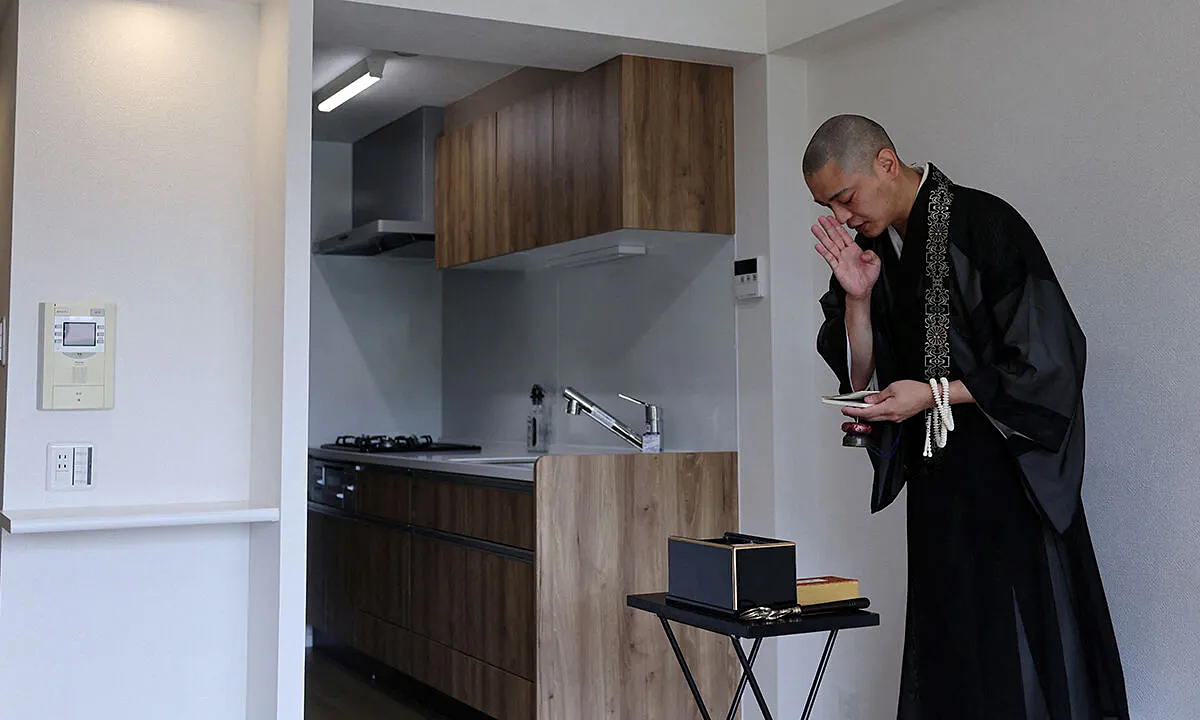
High living costs in Japan are compelling many residents to rent apartments where deaths have occurred, a practice traditionally considered taboo. This trend highlights the significant financial pressures faced by individuals, pushing them to overlook cultural superstitions for economic relief. These 'haunted homes,' known as 'jiko bukken' in Japanese, are typically offered at significantly reduced rental rates compared to conventional properties. The practice of renting such properties has become more prevalent as inflation and stagnant wages make affordable housing increasingly scarce. While many Japanese people still adhere to traditional beliefs about death and spirits, a growing segment of the population is prioritizing financial stability over these cultural norms. This shift reflects a broader societal adaptation to economic challenges, where practical considerations are beginning to outweigh deeply ingrained superstitions. The availability of these discounted properties offers a lifeline to those struggling to afford housing in major Japanese cities.
The increasing willingness of Japanese individuals to rent properties associated with death, driven by escalating living expenses, signifies a notable shift in cultural priorities. This phenomenon underscores the potent influence of economic precarity on societal norms and consumer behavior. As affordability becomes a primary concern, traditional taboos are being re-evaluated, suggesting that economic imperatives can override deeply ingrained cultural aversions. This trend may indicate a broader societal recalibration where practical needs are increasingly prioritized over symbolic or spiritual considerations, especially among younger generations or those facing financial hardship. The market response to this demand could lead to new housing models or investment strategies focused on underutilized, stigmatized properties, potentially reshaping urban housing landscapes over the next decade.
AI-generated to prompt reflection — not editorial opinion, not advice, not a statement of fact. How this works.