Japanese Students Clean Classrooms and Toilets, Fostering Responsibility
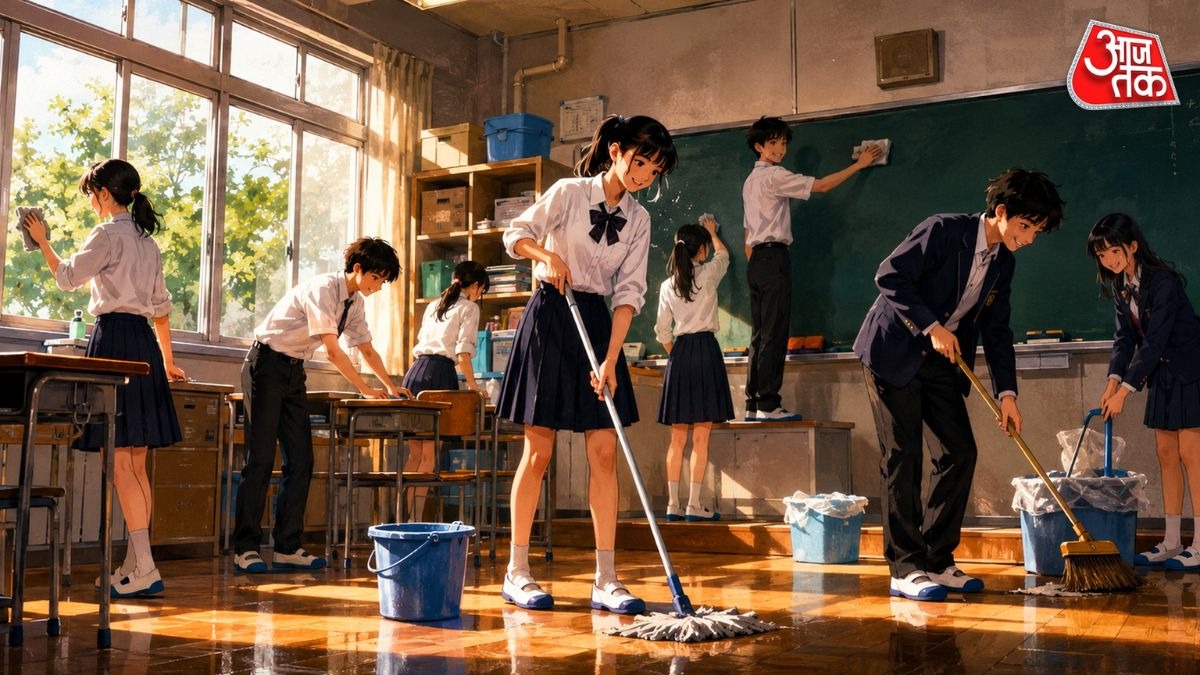
Japan's education system is distinguished by its unique approach, which emphasizes not only academic knowledge but also instills a sense of responsibility and self-reliance in students. In many Japanese schools, students actively participate in cleaning their classrooms, hallways, and other school areas. This practice is deeply rooted in the educational philosophy of cultivating discipline, teamwork, and a sense of ownership over their environment. The aim is to foster a generation that is not only educated but also responsible and considerate of their surroundings. This hands-on approach teaches valuable life skills that extend beyond the classroom, preparing students for future independence and community contribution. The system prioritizes character development alongside intellectual growth, creating well-rounded individuals.
The Japanese practice of student-led school cleaning highlights a pedagogical strategy focused on character development and civic responsibility. By integrating custodial duties into the curriculum, educational systems can foster a sense of ownership and respect for shared spaces. This approach may cultivate essential life skills such as teamwork, discipline, and accountability, potentially reducing reliance on external maintenance services and promoting a culture of collective care. Examining this system through a future lens, it offers a model for developing resilient, self-sufficient individuals prepared for societal contributions, while also presenting a potential counterpoint to service-outsourcing trends in other economies.
AI-generated to prompt reflection — not editorial opinion, not advice, not a statement of fact. How this works.