Japanese Town Faces Identity Crisis Amidst Protests Over First Mosque
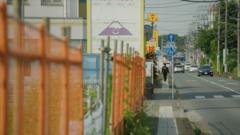
A town in Japan is experiencing a significant identity crisis as it confronts the establishment of its first mosque. This situation arises as Japan, facing a demographic shift, is increasingly dependent on foreign workers. The influx of individuals from diverse cultural and religious backgrounds presents a challenge for the nation in integrating these new communities. The protests surrounding the mosque highlight the underlying tensions and societal debates occurring within Japan regarding multiculturalism and religious acceptance. As the country navigates its reliance on foreign labor, it is compelled to address how it will accommodate and integrate different cultures and religions into its society. The events in this town serve as a microcosm of a larger national conversation about Japan's evolving social fabric and its future as a more diverse nation.
The situation in this Japanese town reflects a broader societal challenge faced by many developed nations as they grapple with demographic changes and increasing reliance on foreign labor. The integration of new cultural and religious groups necessitates a re-evaluation of national identity and social cohesion. While economic imperatives may drive the acceptance of foreign workers, societal attitudes and existing cultural norms can create friction. This dynamic presents a complex interplay between national policy, community sentiment, and the practicalities of multicultural coexistence. Moving forward, Japan's approach to this challenge will likely shape its long-term social stability and economic competitiveness in an increasingly globalized world. The case underscores the importance of proactive dialogue and inclusive policies to foster understanding and mitigate potential societal divisions.
AI-generated to prompt reflection — not editorial opinion, not advice, not a statement of fact. How this works.