Jaraguá do Sul Health Surveillance Earns National Recognition for Quality Management System
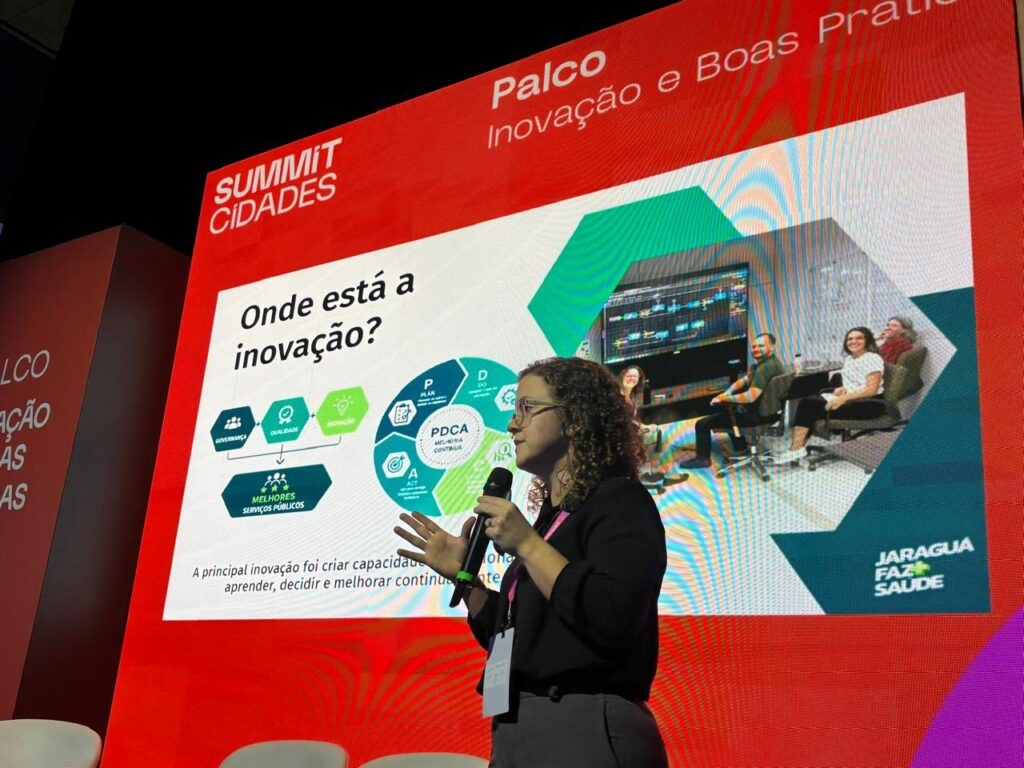
Jaraguá do Sul's Health Surveillance department has achieved national recognition following the implementation of a Quality Management System (SGQ). This initiative led to the municipality being selected for the final stage of the IntegraVisa IV project, a program by the National Health Surveillance Agency (Anvisa) in collaboration with the Hospital Alemão Oswaldo Cruz (HAOC). The city also received an award at the Summit Cidades 2026 in Florianópolis during the Municipal Best Practices Showcase. These achievements highlight advancements in modernizing internal processes and strengthening public health management.
Jaraguá do Sul is among only 10 institutions remaining in the IntegraVisa final, making it the sole municipality from Santa Catarina to reach this stage. The IntegraVisa project aims to enhance the National Health Surveillance System through quality management, promoting efficiency, standardization, transparency, and safety in public health regulatory actions. The department began its participation in February 2025, establishing a Quality Management Group (GGQ) to oversee the SGQ implementation and continuous process improvement. Marcelo Dall Agnol, a Health Surveillance officer and GGQ member, shared the municipality's experience with people engagement and relationship management at an IntegraVisa workshop.
Camila Vieira Sens Fernandes, Manager of Health Surveillance and Worker's Health, stated that the final stage classification acknowledges the team's dedication and technical work. She anticipates further qualification of actions and continuous service improvements for the public. The Summit Cidades award recognized the SGQ implementation under the theme “Public Governance and Regulatory Efficiency: Jaraguá do Sul’s Health Surveillance Experience with Quality Management.” The department presented improvements in procedure standardization, internal governance, and service quality for citizens and regulated sectors. The Best Practices Showcase, organized by Fecam and other partners, aims to identify and disseminate innovative public management experiences. Initiatives included process review, standardized documentation, data-driven performance indicators, and fostering a quality culture, all contributing to increased regulatory efficiency and transparency.
The recognition of Jaraguá do Sul's Health Surveillance department highlights the positive impact of structured quality management systems on public service delivery. By adopting an SGQ and participating in initiatives like IntegraVisa, the municipality has demonstrated a commitment to enhancing regulatory efficiency and transparency. This approach not only strengthens internal governance but also provides a scalable model for other public health agencies seeking to improve their operations. The focus on data-driven decision-making and continuous improvement suggests a forward-looking strategy that aligns with the increasing demands for accountability and effectiveness in public administration. Such initiatives are crucial in building trust and ensuring equitable access to quality public health services, particularly as technology and data analytics become more integral to governance in the coming decade.
AI-generated to prompt reflection — not editorial opinion, not advice, not a statement of fact. How this works.