Jardim Camburi Residents Complain of Persistent Foul Odor from "Penicão" Sewage Treatment Plant
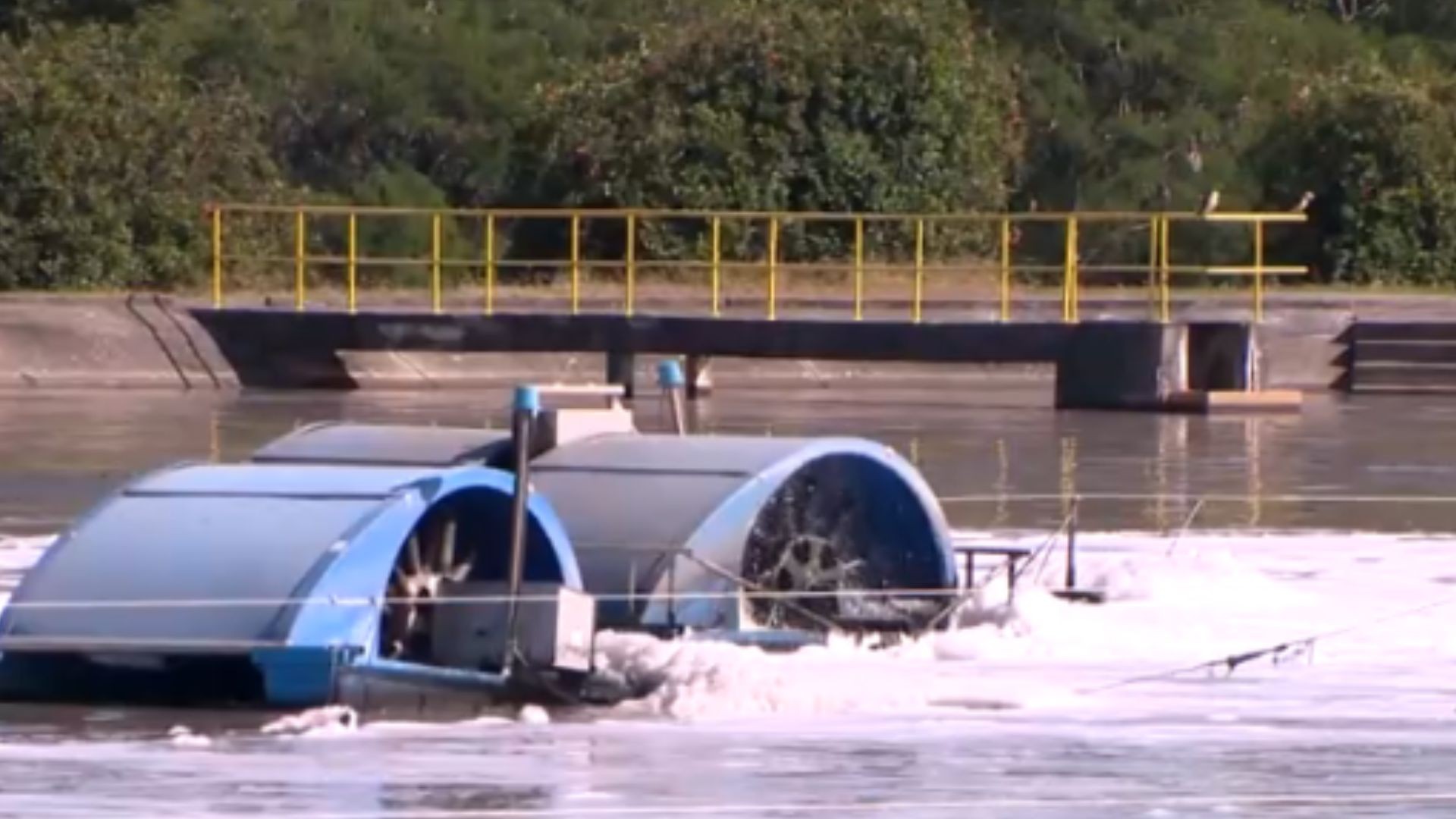
Residents of Jardim Camburi in Vitória, Brazil, are once again experiencing a strong foul odor emanating from the Camburi Sewage Treatment Station, locally known as "Penicão." The problem has reportedly worsened over the past month, particularly affecting families living closer to the facility and becoming most noticeable between 5 PM and 7 PM. The odor is also exacerbated by windy conditions, forcing residents to keep their windows closed and even impacting their arrival by car. One resident, José Júnior, observed that the smell intensifies when the mechanical aerators, equipment crucial for oxygenating sewage during treatment, malfunction.
Cesan, the Espírito-santense Sanitation Company, attributed the temporary odor increase to a combination of factors. These include lower temperatures, reduced air dispersion, ongoing cleaning of the pre-treatment system, and maintenance of the aerators. Cesan stated that all necessary measures to stabilize the system have been implemented and that the station's operations are under real-time monitoring.
In a significant development, Cesan announced in 2023 a project to replace the current treatment station with an Elevatory Station. This plan involves emptying the existing treatment lagoons and redirecting effluent to a new facility to be constructed at ArcelorMittal Tubarão in Serra. The water will undergo a new treatment process there for industrial reuse. The projected investment for this new infrastructure is R$ 130 million, with an expected operational start date in 2026.
The recurring odor issues at the "Penicão" sewage treatment plant highlight a common challenge in urban sanitation infrastructure: balancing operational efficiency with public health and environmental impact. While Cesan cites temperature and maintenance as contributing factors, the persistent nature of the problem suggests potential systemic issues in the plant's design or upkeep. The company's proposed R$ 130 million project to replace the station with a new facility by 2026 indicates a recognition of the current limitations. This long-term solution, involving industrial reuse of treated water, aligns with broader trends towards circular economy principles in resource management. However, the interim period necessitates robust real-time monitoring and rapid response protocols to mitigate resident complaints and ensure compliance with environmental standards, demonstrating the critical need for proactive infrastructure investment and adaptive management strategies in aging urban systems.
AI-generated to prompt reflection — not editorial opinion, not advice, not a statement of fact. How this works.