Jataí Airport to Feature 1.8km Runway, Cargo Aircraft Capacity
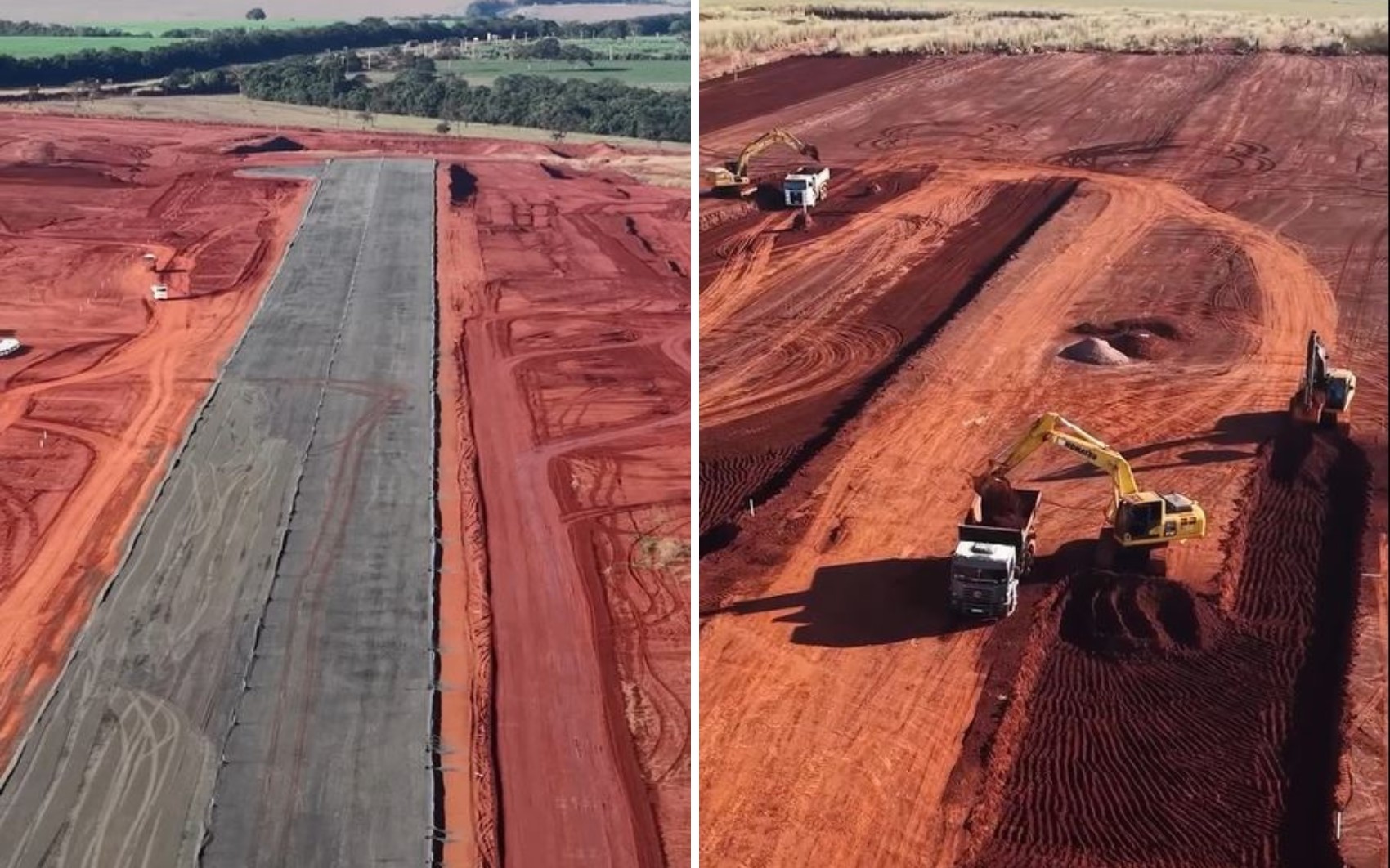
The Jataí Regional Airport in the southwest region of Goiás is undergoing significant upgrades, as revealed during a technical visit organized by the City Hall. A key highlight of the construction is the new 1,890-meter-long runway, designed to accommodate both passenger and cargo aircraft, including models like the Airbus A319. This aircraft can carry up to 160 passengers or 68 tons of cargo. The visit included representatives from professional associations, city council members, business leaders, and journalists, who were briefed on the safety standard compliance measures being implemented. The runway construction is nearing completion and is slated for inauguration by the end of this year. Furthermore, the bidding process for the passenger terminal construction has commenced, signaling the start of a new phase for the airport project. The project's revival was facilitated by the municipal administration's successful retrieval of the originally approved executive plan from the Civil Aviation Secretariat. The Jataí City Hall anticipates that this infrastructure development will bolster regional logistics, enhance the competitiveness of local industries, and attract new investments to Jataí and surrounding municipalities.
The expansion of Jataí Airport's infrastructure, particularly its runway length and cargo capacity, signals a strategic investment aimed at enhancing regional connectivity and economic development. This initiative aligns with broader trends of prioritizing logistics and supply chain efficiency in developing regions. The project's successful resumption after recovering the executive plan suggests a renewed focus on infrastructure development by local governance. The anticipated benefits, including strengthened logistics and increased investment, highlight the critical role of public infrastructure in fostering economic competitiveness. Looking ahead, the success of this project will likely depend on sustained demand, efficient operational management, and integration with broader transportation networks, potentially influencing future development patterns in the region.
AI-generated to prompt reflection — not editorial opinion, not advice, not a statement of fact. How this works.