Javier Milei Faces Dilemma: "Default Vote" vs. "Terrorist Vote"
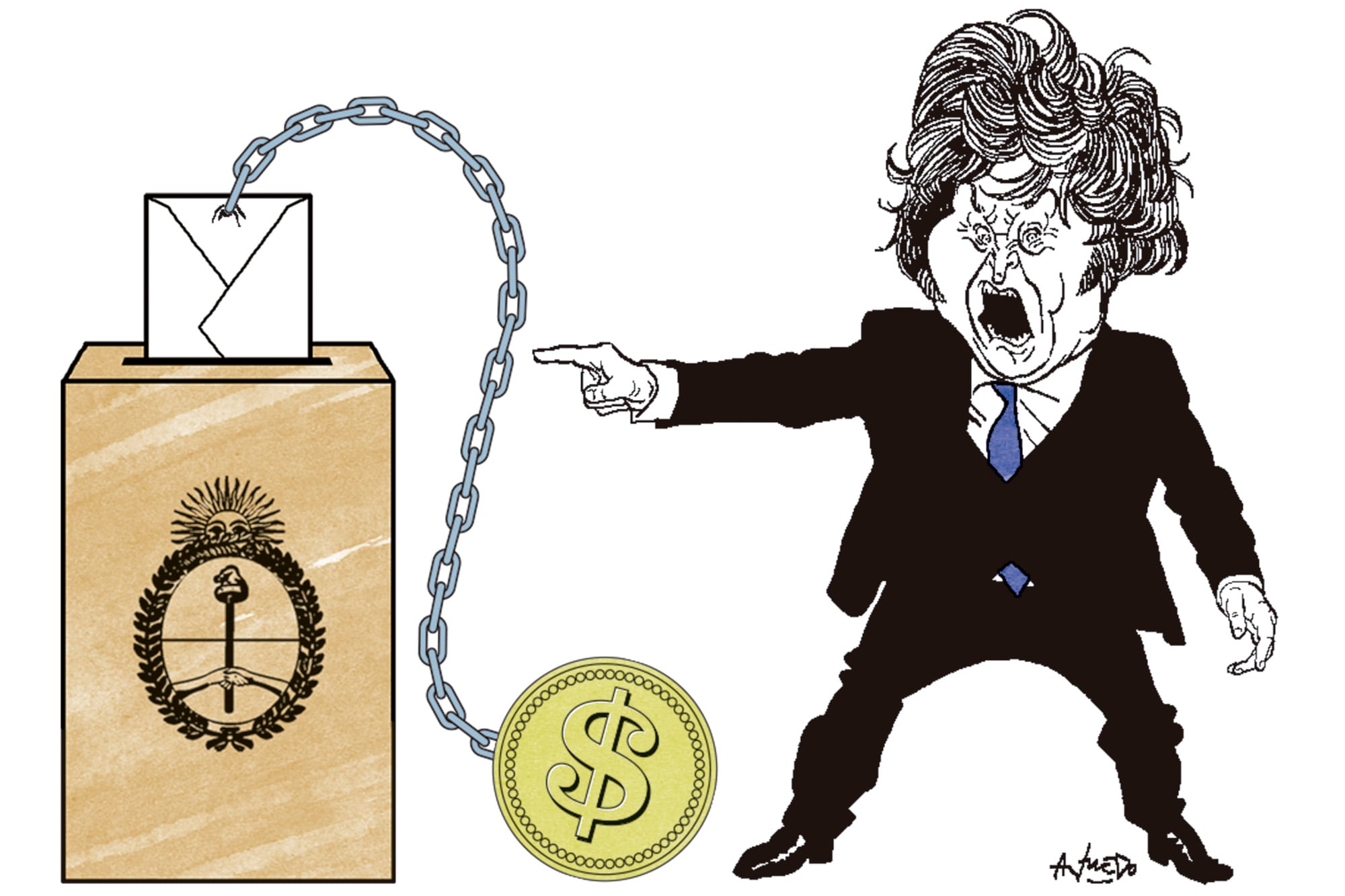
Argentine President Javier Milei is confronting a significant challenge regarding his economic policies and voter support. He faces a complex dilemma involving what is being termed the "default vote" and the "terrorist vote." The current economic situation is characterized by high levels of non-payment and unsustainable debt, which severely limit future economic prospects and the ability to stimulate consumption through fictional means. This economic pressure is a central factor in the political landscape Milei is navigating. The reference to "mileísta Gramsci" suggests an ideological component to his approach, possibly alluding to a strategy of cultural or ideological transformation alongside economic reform, reminiscent of Antonio Gramsci's theories on hegemony.
President Milei's administration is navigating a critical juncture where fiscal realities, specifically unmanageable debt and widespread default, are constraining economic policy options. The administration's challenge lies in balancing immediate fiscal stabilization with the need to foster sustainable growth and public confidence. The dichotomy presented, between a "default vote" and a "terrorist vote," highlights a potential polarization of public sentiment, reflecting either a desire for drastic fiscal correction or a rejection of austerity measures that could impact living standards. Future policy decisions will likely hinge on how effectively the government can manage these competing pressures, potentially influencing Argentina's long-term economic trajectory and its integration into global markets.
AI-generated to prompt reflection — not editorial opinion, not advice, not a statement of fact. How this works.
