Jeddah Tower Chief Engineer Reveals Most Challenging Aspect of 1000m Skyscraper Construction
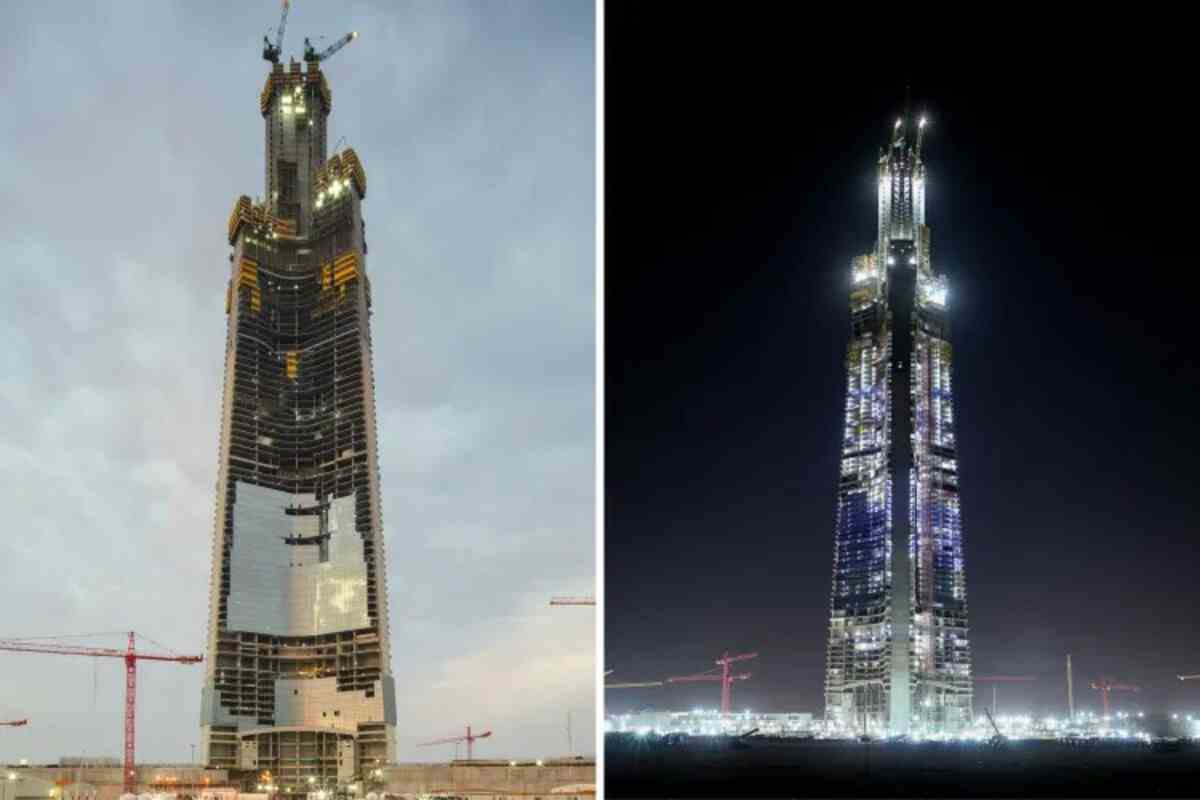
Construction of the Jeddah Tower in Saudi Arabia is nearing a significant milestone. Upon completion, the skyscraper is projected to exceed 1000 meters in height, surpassing the current record holder, the Burj Khalifa, which stands at 828 meters. The chief engineer has identified the most difficult task associated with this ambitious project. The tower's immense scale presents unique engineering challenges that require innovative solutions. This project represents a major feat of modern architecture and engineering. The completion of the Jeddah Tower will mark a new era in skyscraper development. Its construction involves overcoming complex logistical and technical hurdles. The final height will establish it as the tallest building in the world. The chief engineer's insights highlight the dedication and expertise required for such an undertaking.
The construction of the Jeddah Tower, aiming to exceed 1000 meters, signifies a continued global trend of pursuing extreme architectural heights. This endeavor, while a testament to engineering prowess, raises questions about the long-term economic and environmental sustainability of such mega-projects. As the world increasingly focuses on resource efficiency and climate resilience, the rationale for building ever-taller structures warrants examination through the lens of future urban development and resource allocation. The project's success will likely depend on continued economic stability and innovative material science, while its legacy will be shaped by its integration into the urban fabric and its impact on local and global environmental metrics.
AI-generated to prompt reflection — not editorial opinion, not advice, not a statement of fact. How this works.