Jellyfish Increase Along São Paulo Coast; Experts Advise Precautions
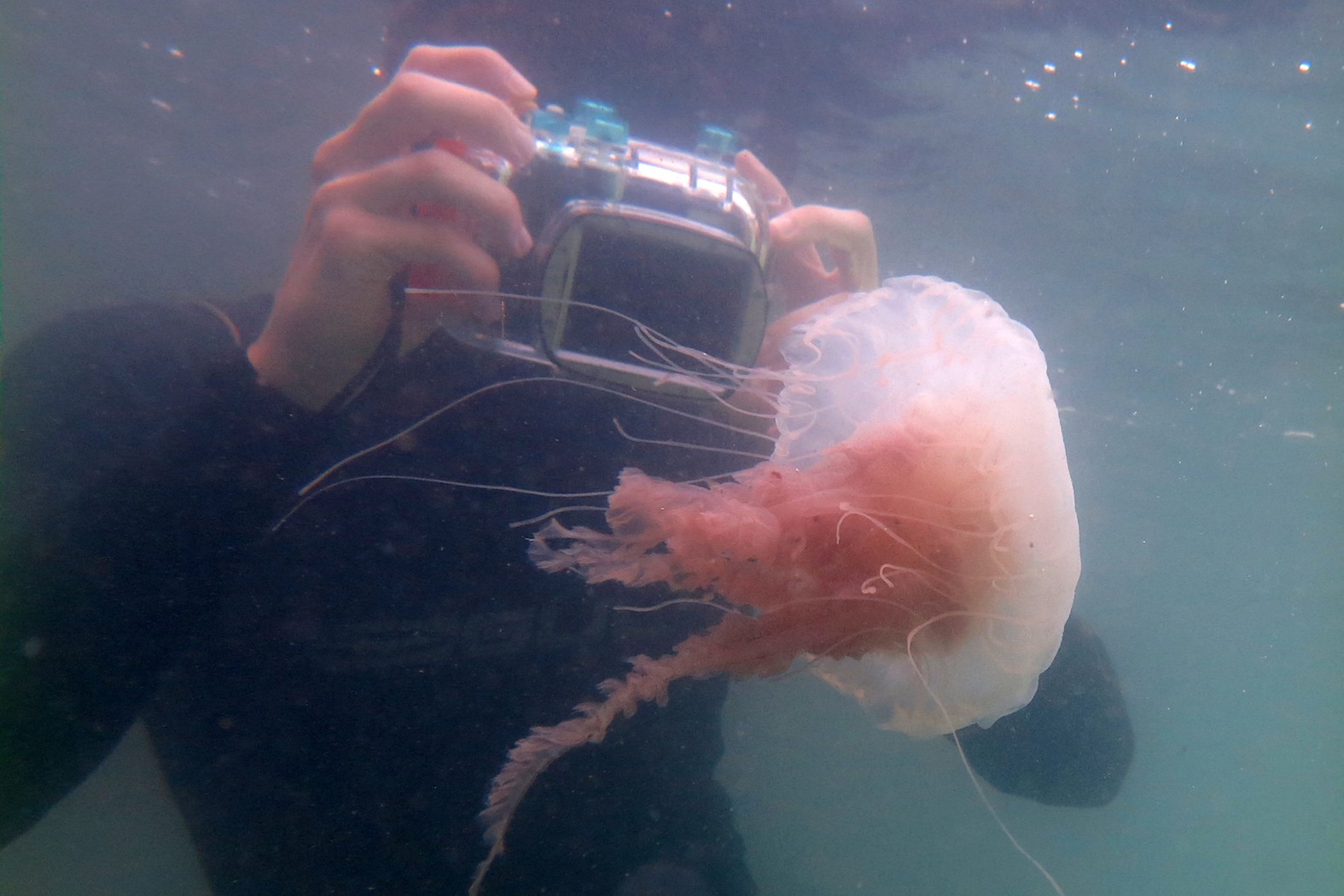
The Maritime Firefighter Group (GBMar) has issued a warning regarding an increase in jellyfish presence along the entire coast of São Paulo, particularly during the winter months. This phenomenon is attributed to changes in oceanographic conditions typical of the season, including frequent cold fronts, altered wind patterns, ocean currents, and rough seas, all of which can transport jellyfish closer to shore. Additionally, the influx of colder waters from the south and the natural dynamics of marine ecosystems contribute to this increase. While a cause for concern, GBMar emphasizes that jellyfish are a natural and seasonal occurrence. The public is strongly advised to avoid contact with jellyfish, even if they appear dead on the sand, as their tentacles can retain their stinging capability. GBMar does not maintain statistical records of jellyfish-related incidents. In case of contact causing pain, burning, or skin irritation, individuals should seek assistance from lifeguard stations or healthcare services. Precautions include refraining from touching jellyfish, instructing children not to play with them, adhering to lifeguard guidance and beach signage, and exercising extra caution before entering the water when large numbers are present. If stung, seek immediate professional help, avoid rubbing the affected area, and do not remove tentacles with bare hands. Freshwater should not be used to wash the affected area, as it can worsen toxin release; cleaning should follow professional medical advice.
The seasonal increase in jellyfish along the São Paulo coast highlights the dynamic interplay between weather patterns, ocean currents, and marine ecosystems. These events underscore the importance of public awareness and adherence to safety guidelines to mitigate risks associated with marine life. From a systems perspective, understanding the environmental triggers for such aggregations can inform predictive models, potentially allowing for earlier warnings and more effective public health interventions. This natural phenomenon also presents an opportunity to educate the public about marine biodiversity and the ecological roles of jellyfish, fostering a greater appreciation for the ocean's complexities beyond potential hazards.
AI-generated to prompt reflection — not editorial opinion, not advice, not a statement of fact. How this works.