Jenrick: Government delayed security talks for Farage until after Widdecombe's death
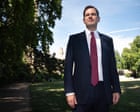
Robert Jenrick, Reform UK's Treasury spokesperson, has criticized the government for its delayed response to Nigel Farage's security needs. Jenrick stated that discussions regarding the protection of the Reform UK leader only commenced after the "appalling murder" of Ann Widdecombe. He asserted that ministers had previously opted not to provide Farage with the necessary security measures. The decision to arrange a meeting with the chair of the Royal and VIP Executive Committee (Ravec), the body overseeing security for prominent individuals, was reportedly made solely as a consequence of Widdecombe's death. This suggests a reactive rather than proactive approach by the government to safeguarding public figures.
This situation highlights potential systemic issues within governmental processes for assessing and providing security for public figures. The alleged delay in offering a security meeting to Nigel Farage, contingent on the tragic death of Ann Widdecombe, raises questions about the proactive capabilities and responsiveness of the Royal and VIP Executive Committee (Ravec). Future policy considerations might focus on developing more robust, data-driven threat assessment frameworks that can anticipate risks for high-profile individuals across the political spectrum, rather than relying on reactive measures triggered by severe events. This approach could enhance public trust and ensure timely protection, aligning with evolving security landscapes in an era of increased public scrutiny and potential threats.
AI-generated to prompt reflection — not editorial opinion, not advice, not a statement of fact. How this works.