Jharkhand Panchayat Fines Rape Accused $1,200, Allegedly Held Chicken Party With Funds
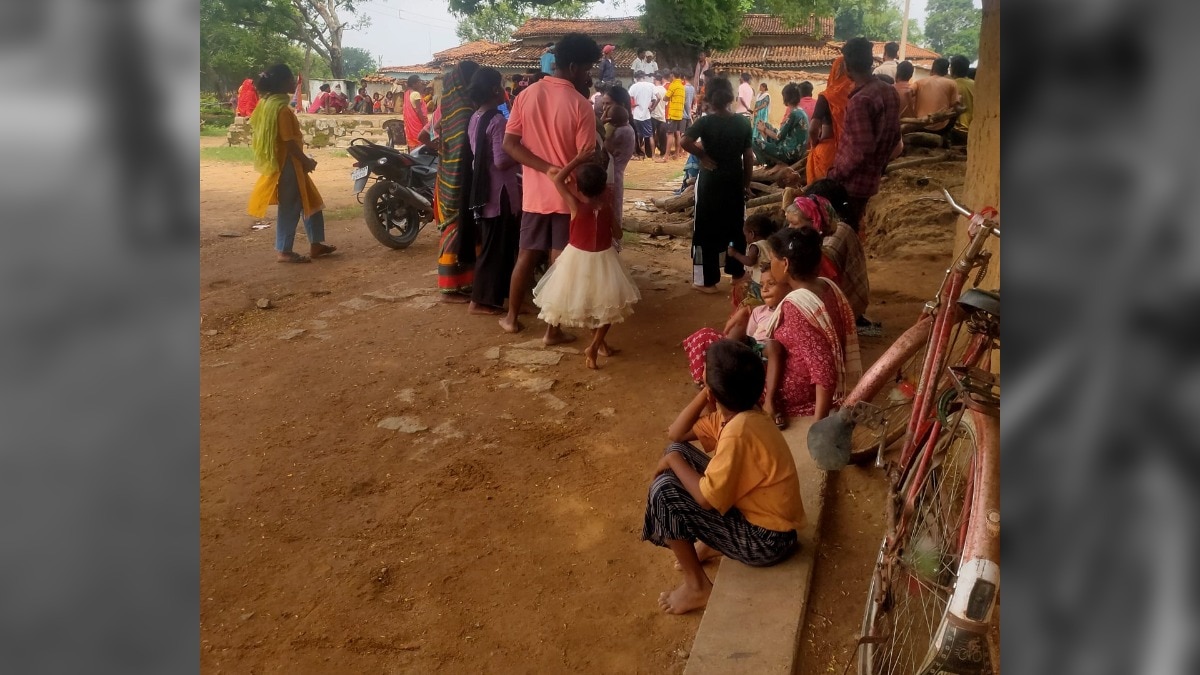
In Gumla, Jharkhand, a village panchayat reportedly attempted to suppress a case involving the rape of a three-year-old girl by imposing a fine of 100,000 Indian Rupees (approximately $1,200 USD) on the accused. Further allegations suggest that 20,000 Rupees (approximately $240 USD) from the fine were used to organize a chicken and alcohol party. Upon receiving information, the police intervened, arresting the accused and registering a First Information Report (FIR). Authorities are now investigating the role of the panchayat and the alleged attempt to cover up the crime. The incident highlights concerns about traditional justice systems and their intersection with legal processes.
This incident raises critical questions regarding the efficacy and ethical boundaries of traditional community justice mechanisms when confronted with severe criminal offenses. While panchayats historically served to resolve local disputes, their handling of a sexual assault case, including alleged financial settlements and celebratory spending, appears to undermine established legal frameworks and victim protection protocols. The police intervention suggests a conflict between customary law and statutory law, prompting an examination of governance structures that allow for such alleged cover-ups. Moving forward, it is crucial to ensure that all legal processes, regardless of community involvement, prioritize justice and the well-being of victims, especially in cases of sexual violence, and that accountability mechanisms are robust enough to prevent the subversion of justice through financial or social pressure.
AI-generated to prompt reflection — not editorial opinion, not advice, not a statement of fact. How this works.