Ji-Paraná Residents Selected for 1,456 Affordable Housing Units
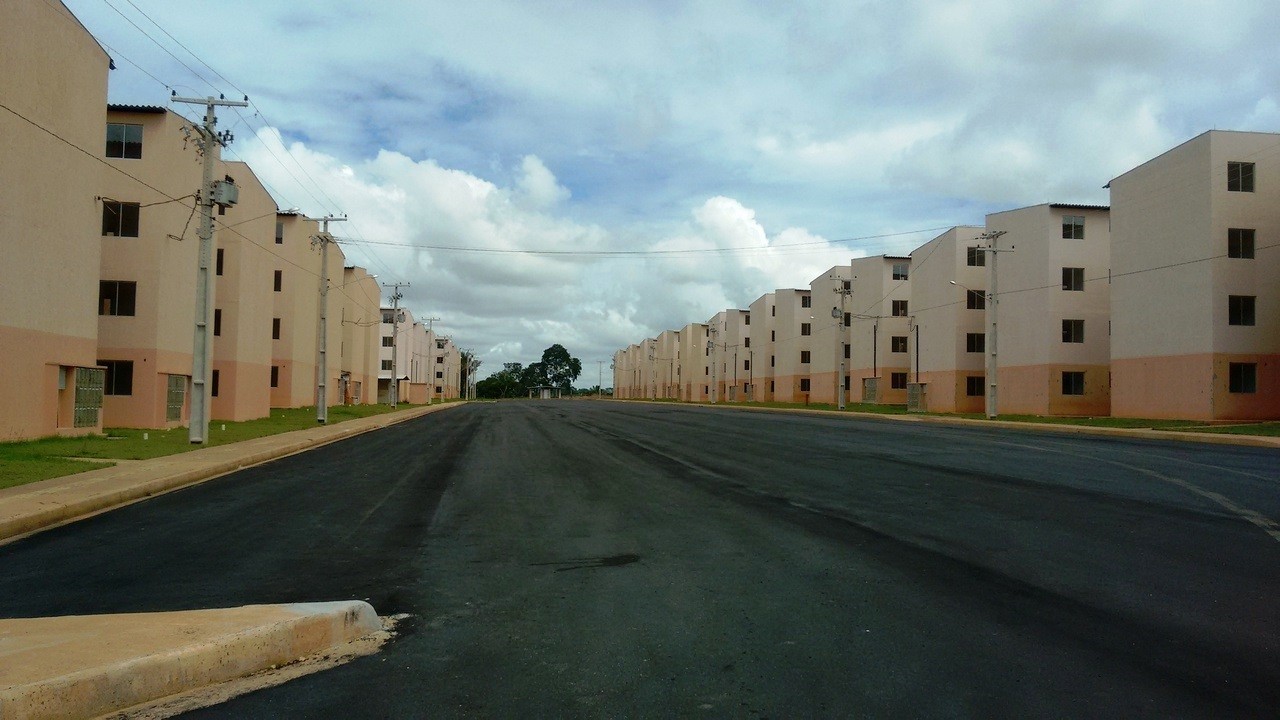
The Government of Rondônia announced on Tuesday, July 14th, the list of 1,456 selected candidates for housing units in the Residencial Morar Melhor II development, part of the "Minha Casa, Minha Vida" program in Ji-Paraná, Rondônia. The official list was published in issue number 134 of the State Official Gazette, starting on page 338, and includes allocations for seniors, people with disabilities (PCD), and general groups. The electronic lottery for these units took place on July 10th.
Selected candidates are required to present themselves in person to submit documentation verifying their application details. This submission period runs from July 20th to August 18th, 2026, during weekdays from 7:30 AM to 5:30 PM at the "Tudo Aqui" building in Ji-Paraná. The Secretariat of State for Women, Family, Social Assistance and Development (Seas) cautions that document submission does not guarantee housing allocation, and failure to appear within the specified timeframe will result in disqualification.
Required documents include identification (RG, CIN, CNH, or Passport), CPF, proof of income, Cadastro Único information, proof of residence, and civil status certificates. People with disabilities must provide a detailed medical report with CID. For minors, birth certificates, RG, and CPF are needed. The Official Gazette also listed excluded candidates who missed previous deadlines or failed to resolve document issues, with a five-day window for administrative appeals to be filed in person.
This announcement details a significant public housing initiative in Ji-Paraná, aimed at addressing housing needs through the "Minha Casa, Minha Vida" program. The process involves an electronic lottery, followed by a crucial in-person verification stage with a strict deadline. The inclusion of specific quotas for vulnerable groups like seniors and people with disabilities reflects a policy objective to promote social equity in housing access. However, the strict disqualification for missing deadlines highlights the systemic challenge of ensuring equitable access for all eligible candidates, particularly those who may face logistical or informational barriers. Future iterations of such programs could explore digital verification options or extended grace periods to mitigate these potential exclusion risks and enhance program inclusivity.
AI-generated to prompt reflection — not editorial opinion, not advice, not a statement of fact. How this works.