Jihadist Terror Suspect Abdul, Detained En Route to Syria, Was Supposed to Undergo Deradicalization
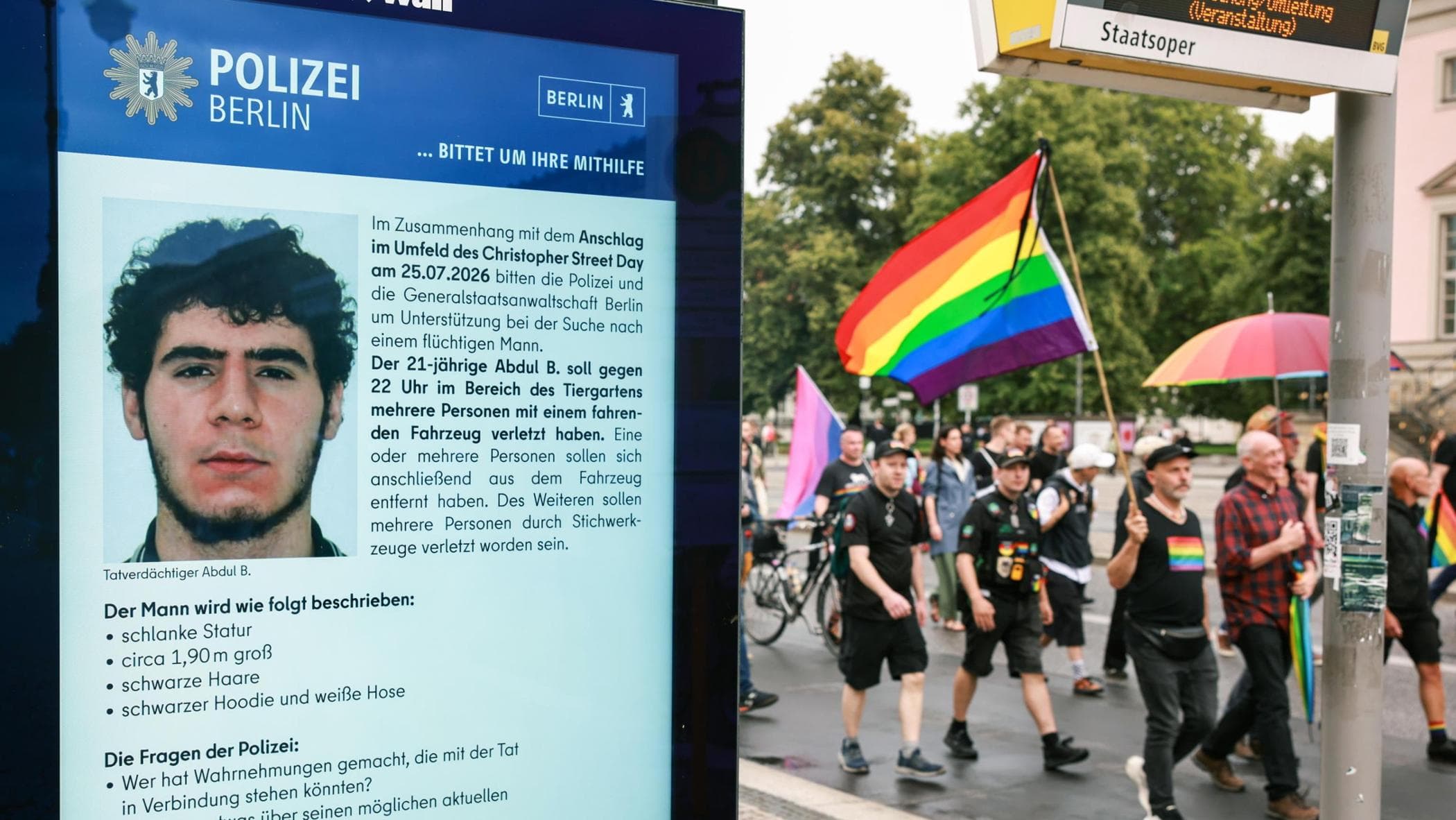
Abdul, a jihadist suspect convicted of terrorism, was apprehended while en route to fight in Syria. He was reportedly born in Berlin's queer district to a family with criminal ties. Authorities had intended for him to undergo a deradicalization program. The circumstances of his birth in a specific district of Berlin and his family's alleged connections to crime are noted. The individual's planned travel to Syria for combat purposes was intercepted. The expectation was that he would participate in a process aimed at de-radicalizing him from extremist ideologies.
The case of Abdul highlights the complex challenges in addressing radicalization, particularly when individuals with alleged criminal backgrounds and ideological extremism are intercepted en route to conflict zones. The stated intention of deradicalization suggests a rehabilitative approach, but its effectiveness is often contingent on a deep understanding of the individual's motivations and the societal factors contributing to their radicalization. This situation prompts consideration of the systemic challenges in identifying at-risk individuals early and providing interventions that are both culturally sensitive and robust enough to counter extremist narratives. The intersection of criminal activity and ideological extremism presents a significant policy dilemma, requiring multifaceted strategies that address both security concerns and the underlying drivers of radical behavior.
AI-generated to prompt reflection — not editorial opinion, not advice, not a statement of fact. How this works.