Jim Parsons Felt Miserable Despite Big Bang Theory Success, Blames Self-Inflicted Suffering
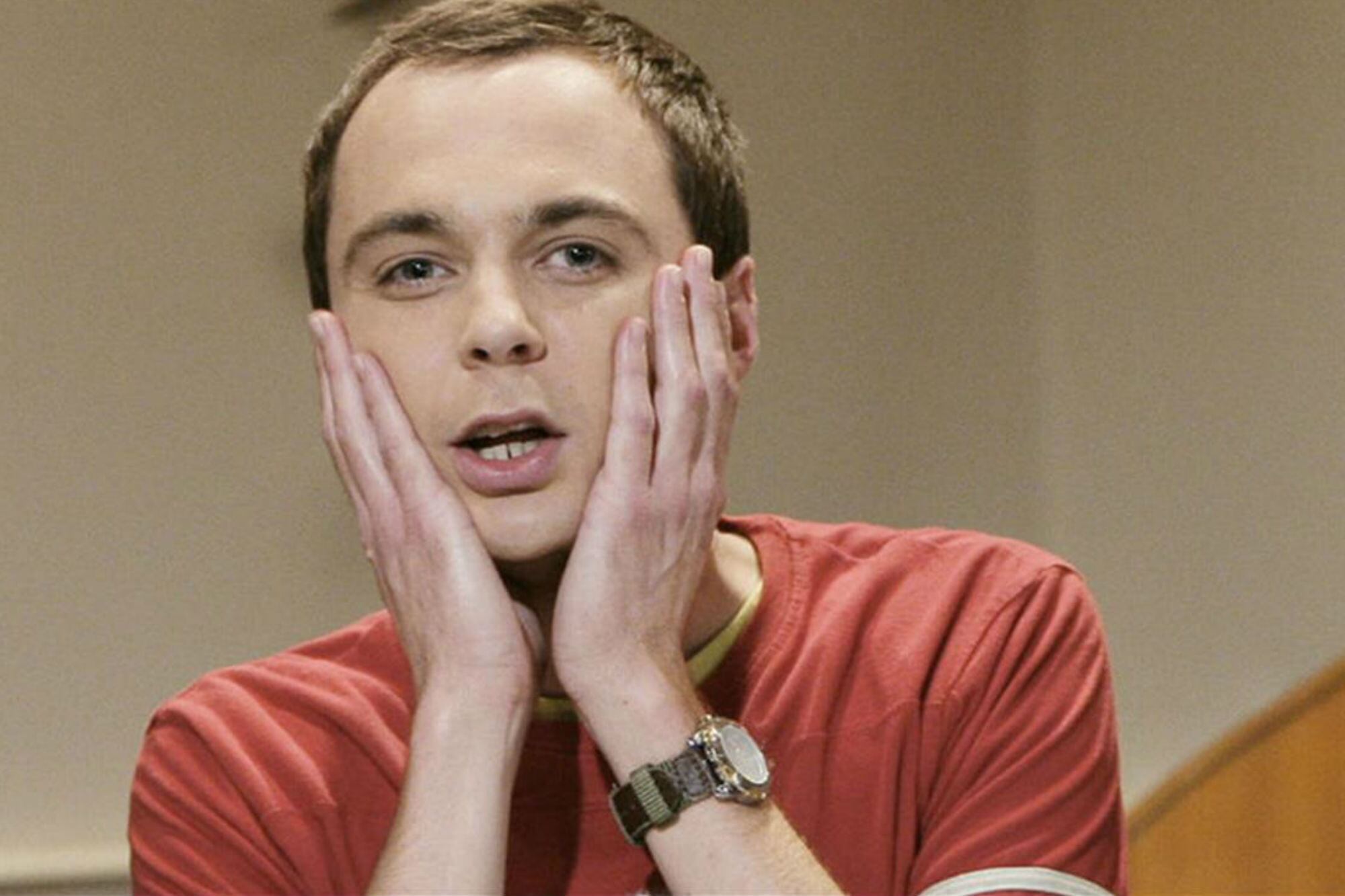
Jim Parsons, the actor best known for his role as Sheldon Cooper in the hit sitcom "The Big Bang Theory," has revealed that he felt profoundly unhappy during the show's peak success. Parsons described his life at that time as involving an obsessive routine that ultimately became self-destructive. He confessed that the immense success of the show, which ran for 12 seasons from 2007 to 2019, paradoxically led him to experience significant personal suffering. Parsons stated that he was the architect of his own misery, implying a deep internal struggle despite external accolades and professional triumph. The actor's candid admission sheds light on the potential psychological toll of sustained fame and the pressures associated with maintaining a highly successful career in the entertainment industry. He suggested that his own mindset and behaviors contributed directly to his unhappiness during what many would perceive as a golden period in his career.
The actor's experience highlights the complex relationship between external success and internal well-being, particularly within high-pressure creative industries. While "The Big Bang Theory" achieved massive global popularity and financial rewards, Parsons' account suggests that the demands of maintaining such a role can foster unsustainable routines and psychological distress. This situation underscores the importance of robust mental health support systems for individuals in demanding professions, as well as the need for self-awareness and proactive coping mechanisms to navigate the challenges of sustained public scrutiny and career intensity. The narrative prompts reflection on how societal definitions of success may not always align with personal fulfillment, and how the pursuit of professional achievement can sometimes inadvertently lead to self-imposed hardship.
AI-generated to prompt reflection — not editorial opinion, not advice, not a statement of fact. How this works.