Jim Parsons Felt Miserable for Years While Playing Sheldon Cooper
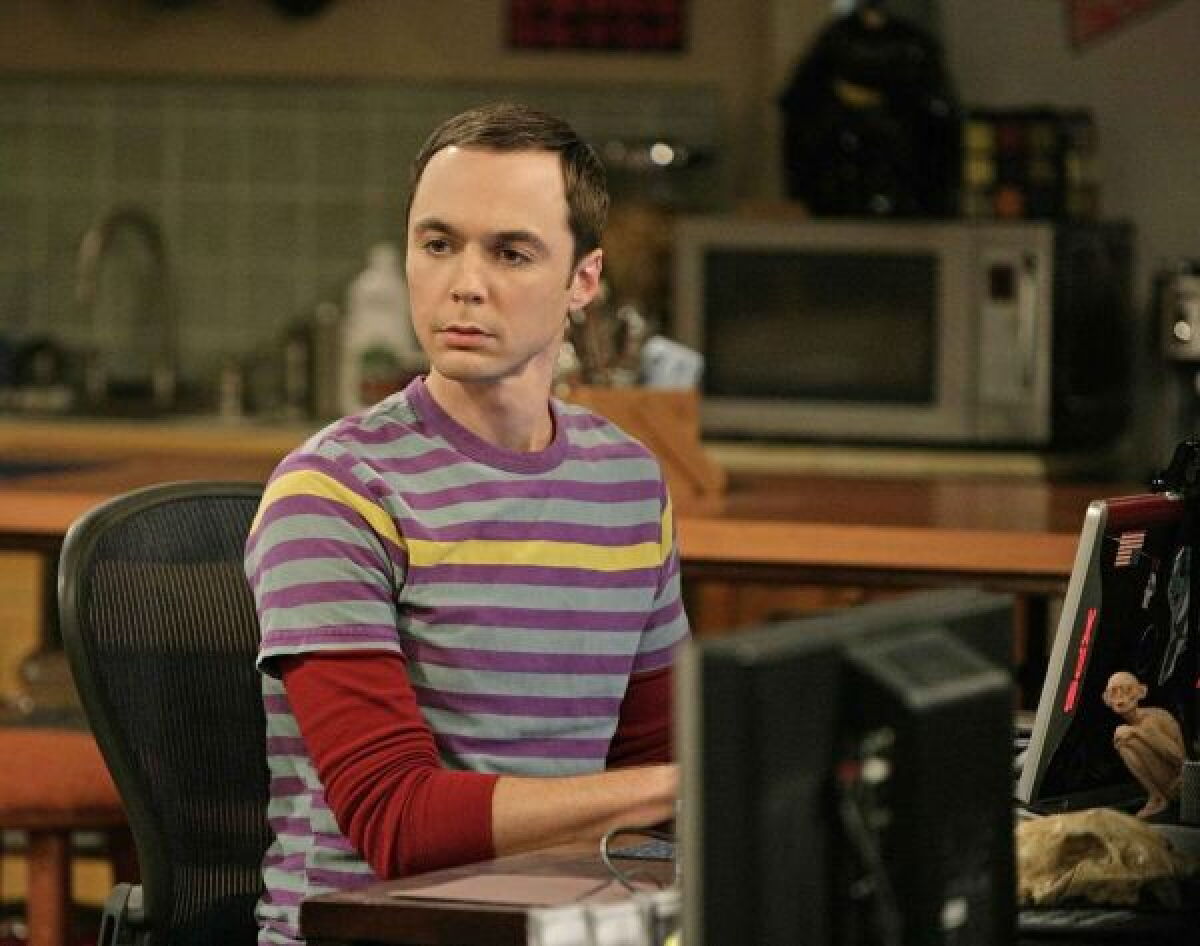
Jim Parsons, best known for his role as Sheldon Cooper in "The Big Bang Theory," has revealed that he experienced significant unhappiness for years during the show's peak success. He recently shared that the immense pressure, anxiety, and his own perfectionism profoundly impacted his experience during those years. Despite the show's massive popularity and critical acclaim, which marked the height of his career, Parsons found himself struggling internally. This internal conflict arose from the demanding nature of the role and the relentless pursuit of perfection. The actor's candid admission sheds light on the personal toll that immense professional success can take, even when outwardly everything appears to be going well. His reflections highlight the often-unseen challenges faced by actors in long-running, high-profile television series. The experience underscores the complex relationship between career achievement and personal well-being.
The immense success of "The Big Bang Theory" presented Jim Parsons with a significant career opportunity, yet also introduced substantial personal challenges. This situation highlights a common dynamic where prolonged engagement with highly demanding roles, coupled with external pressures and internal perfectionism, can lead to significant psychological strain. The narrative suggests that the pursuit of professional excellence, while often lauded, can inadvertently create conditions detrimental to an individual's well-being if not carefully managed. Future considerations for long-running productions might involve more robust support systems for actors to navigate the sustained intensity and potential for burnout, ensuring that career triumphs do not come at an unacceptable personal cost. This also prompts reflection on how societal expectations of perfection in entertainment can impact performers.
AI-generated to prompt reflection — not editorial opinion, not advice, not a statement of fact. How this works.