Jimi Hendrix's Final Full Concert: A Rain-Soaked Performance in Seattle
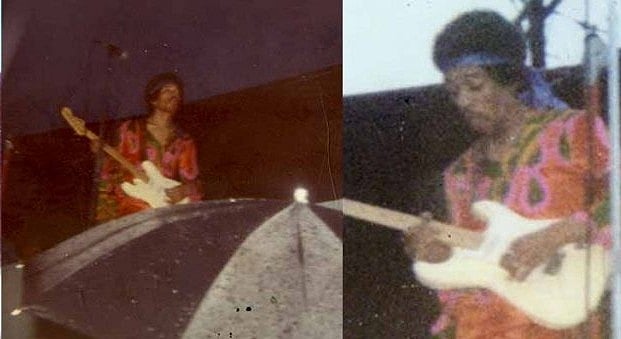
On July 26, 1970, rock legend Jimi Hendrix performed what would be his last full concert at Seattle's Sick's Stadium. The event took place amidst heavy rain and challenging conditions, with the baseball field turned into a muddy swamp, posing risks of waterlogged electrical equipment. Despite the adverse weather, Hendrix took the stage, captivating the audience who had waited hours in the rain. The concert was organized by Concerts West, with Tom Hulett expressing concerns about potential financial losses due to the weather, but Hendrix insisted on proceeding. The stadium, not typically used for large music events, saw most tickets sell out quickly, with many fans arriving early to secure remaining tickets. The evening featured opening acts including The New York Times, Cactus, and Muddy Mother & the All Night Newsboys. Hendrix arrived with his father, Al Hendrix, stepmother, and sisters, humorously gaining entry despite the sold-out status. His performance, which began around 7:15 PM, included a dedication to a female fan and a special moment for his 9-year-old sister, Jenny, during "Purple Haze." Despite the stage being covered by a tarp that sagged under the rain, Hendrix continued to play, visibly drenched. The nearly hour-long set included hits like "Fire," "Message to Love," and "Star-Spangled Banner." Many attendees left early due to concerns about the weather and potential health risks. The day after the concert, Hendrix felt unwell and was not woken by his father before departing for his next engagement in Hawaii. His sister Jenny recalled a poignant, silent moment between Jimi and their father at the airport, hinting at an unspoken premonition. Less than two months later, on September 18, 1970, Jimi Hendrix passed away at the age of 27.
The narrative surrounding Jimi Hendrix's final full concert emphasizes the artist's dedication to his craft amidst severe weather and potential danger, framing it as a testament to his commitment. This perspective highlights the performer's resilience and the audience's devotion. However, it also implicitly raises questions about event management and risk assessment in the music industry. The decision to proceed with a large outdoor event in adverse weather conditions, despite safety concerns and potential health risks for both performers and attendees, warrants examination. Future considerations for such events might involve more robust contingency planning, prioritizing artist and public safety, and exploring alternative venues or postponement strategies when environmental factors pose significant risks. The event serves as a case study on balancing artistic expression with operational responsibility and the well-being of all involved.
AI-generated to prompt reflection — not editorial opinion, not advice, not a statement of fact. How this works.