Jimmy Fallon Mocks FIFA Conspiracy Theory Sparked by Messi and Yamal Photo
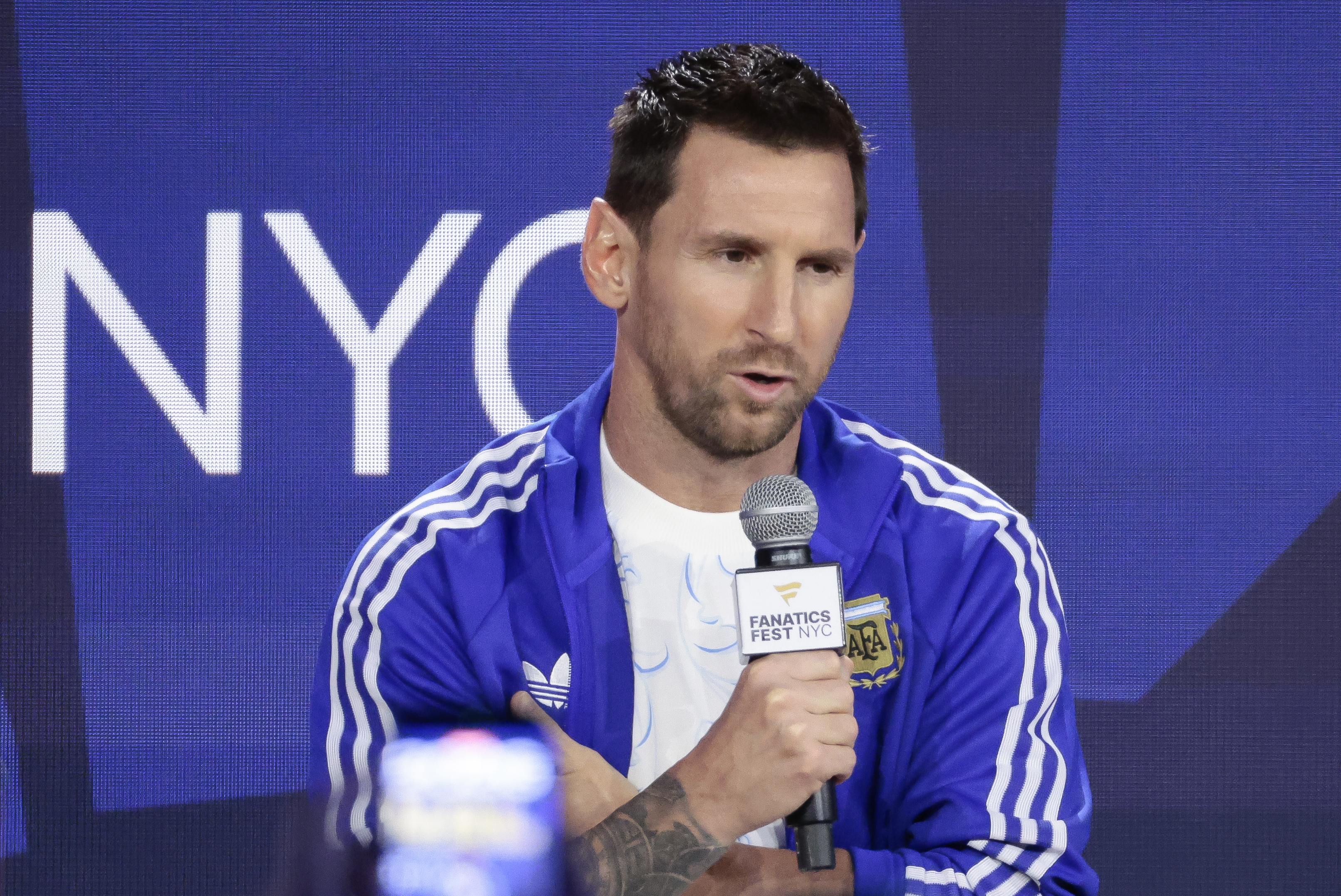
A photograph featuring Lionel Messi and Lamine Yamal has ignited a viral conspiracy theory about FIFA on social media platforms. The theory gained widespread attention, prompting comedian Jimmy Fallon to address it in one of his monologues. Fallon incorporated the alleged FIFA conspiracy into his comedic routine, using the viral image as a springboard for humor. The incident highlights how social media can amplify seemingly minor events into widespread online discussions and theories. The interaction between a celebrity endorsement and a trending social media topic demonstrates the interconnectedness of digital culture and popular entertainment. Fallon's monologue brought the theory to a broader audience, further fueling its virality. The situation underscores the power of visual content, like photographs, to generate narratives and discussions online. This event also illustrates the role of late-night television in engaging with and commenting on internet phenomena.
The viral spread of a FIFA conspiracy theory, amplified by a celebrity like Jimmy Fallon, illustrates the potent influence of social media and popular culture on public perception. This phenomenon highlights how easily narratives, regardless of factual basis, can gain traction through visual content and celebrity endorsement. The incentive structure for social media platforms and content creators often favors engagement over accuracy, leading to the rapid dissemination of unverified claims. In the context of sports governance, such theories, even if humorous, can subtly erode trust in institutions. Looking ahead, the increasing sophistication of AI in generating and spreading content will likely exacerbate these challenges, making critical media literacy even more crucial for navigating information landscapes.
AI-generated to prompt reflection — not editorial opinion, not advice, not a statement of fact. How this works.