Jiu-Jitsu Instructor Arrested in Manaus for Allegedly Raping and Exploiting Students
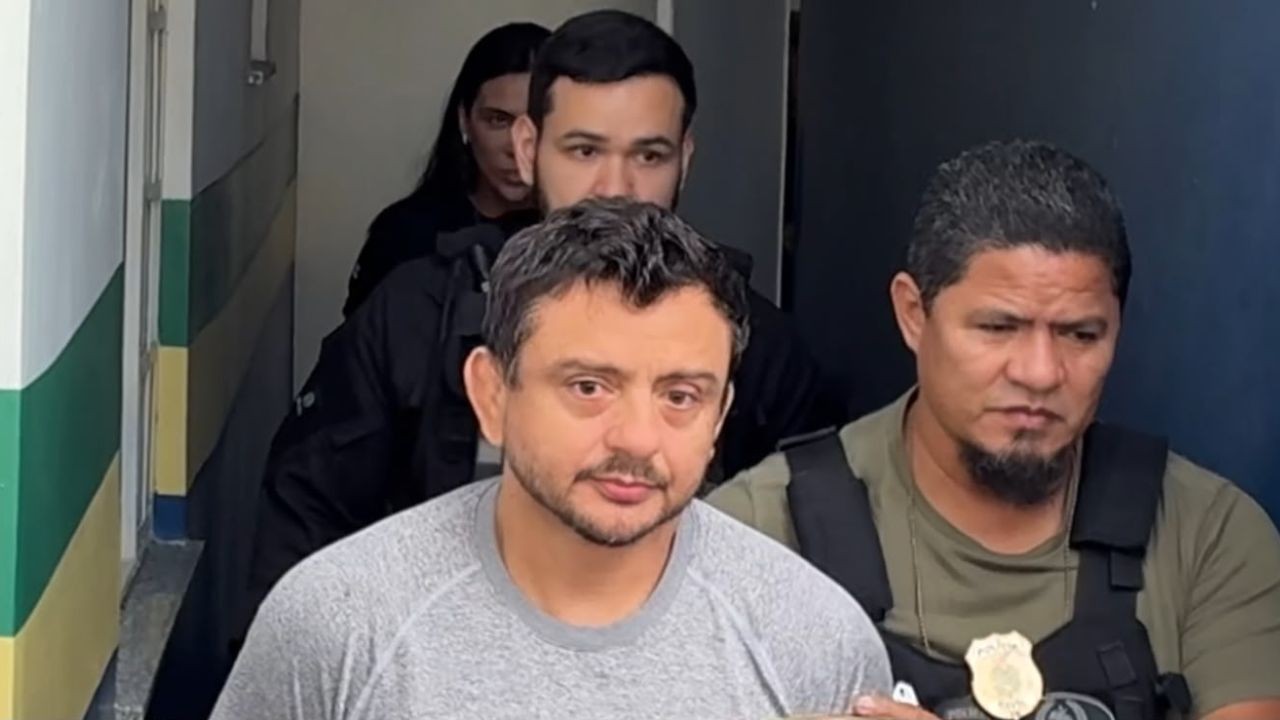
Carlos Vieira Holanda, a jiu-jitsu instructor in Manaus, has had his preventive detention upheld by the judiciary following his arrest on Monday, June 6th. He is currently under investigation by the Amazonas Civil Police (PC-AM) for alleged statutory rape, sexual harassment, and sexual exploitation of minors. Authorities have identified at least seven teenage students as victims, but investigators suspect the actual number may be higher. According to Delegate Mayara Magna, head of the Specialized Police Station for the Protection of Children and Adolescents (DEPCA), Holanda allegedly lured students by promising gis and tournament fees, then taking them to hotels where he committed sexual assaults. The investigation further revealed that Holanda was involved in the sexual exploitation of these adolescents, connecting them with sponsors for financial gain. In some instances, he reportedly coerced victims into sexual acts with these sponsors, receiving benefits in return. He also allegedly presented the victims to sponsors as new, young athletes to exploit their vulnerability. Holanda had been evading authorities since late May, with DEPCA releasing his photo to solicit public assistance. He was apprehended at his residence on June 6th, where he had reportedly prepared multiple escape routes, including modifications to the property. Despite attempting to flee upon the arrival of officers, he was apprehended with police positioned around the entire property. An individual present at the scene who attempted to warn Holanda is also under investigation for aiding his evasion. Upon his transfer to the police station, Holanda opted not to provide a formal statement but maintained his innocence, declining to explain his earlier flight when questioned by the delegate.
This case highlights systemic vulnerabilities within sports organizations where authority figures can exploit power dynamics for personal gain. The alleged actions of the instructor, including coercion and facilitating sexual exploitation, point to a potential failure in oversight mechanisms designed to protect minors. The investigation's expansion beyond direct assault to include exploitation by third parties suggests a complex criminal network. Future considerations should involve strengthening background checks for coaches, implementing robust reporting systems for athletes, and fostering environments where young individuals feel empowered to report abuse without fear of reprisal. The incident also raises questions about the responsibility of sponsors and the legal frameworks governing such relationships to prevent the exploitation of vulnerable individuals.
AI-generated to prompt reflection — not editorial opinion, not advice, not a statement of fact. How this works.