Jiu-Jitsu Instructor Learns Sign Language for Deaf Student, Heartwarming Moment Goes Viral
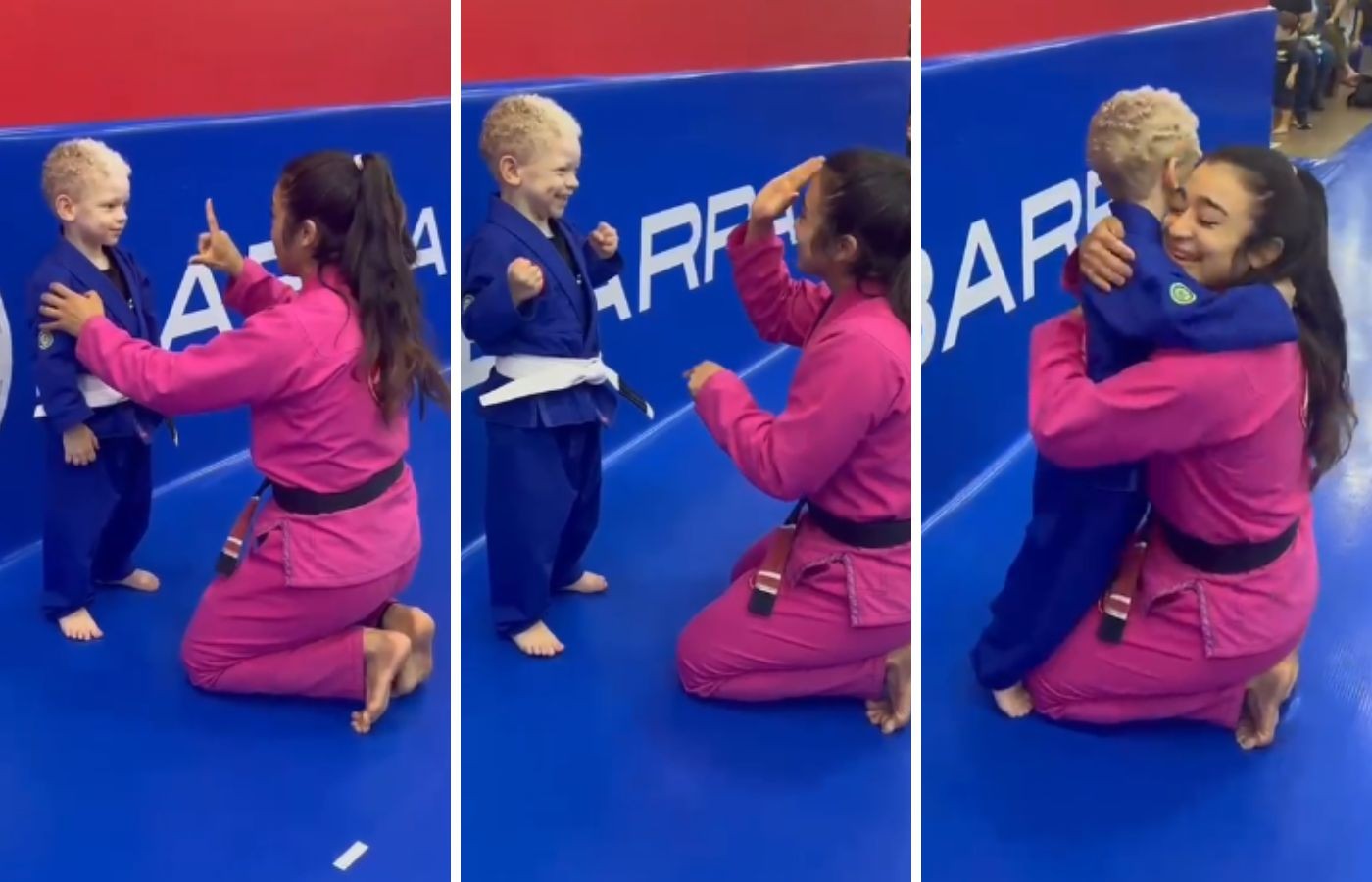
A heartwarming video from a jiu-jitsu graduation ceremony in Indaiatuba, São Paulo, has captivated internet users. The footage shows instructor Beatriz Sayuri Kamozaki communicating with her 3-year-old deaf student, Filippi, using Brazilian Sign Language (Libras). Kamozaki secretly dedicated days to learning and practicing Libras to make the ceremony a special moment for Filippi and his family, as his mother is also deaf. The surprise presentation deeply moved Filippi and the ceremony attendees. Kamozaki expressed her emotional reaction, stating her eyes welled up when Filippi focused on her signs, confirming her efforts were worthwhile. Initially apprehensive about teaching a deaf child without knowing Libras, Kamozaki, who has experience with children with autism and Down syndrome, recognized the need for a new communication approach. She began with one-on-one sessions, using gestures and expressions, and was touched by Filippi's own efforts to understand her. As Filippi integrated into group classes, Kamozaki explained to the other children about different languages, and they warmly welcomed him, aiding his adaptation. Despite initial challenges, including Filippi's occasional tears and difficulty with commands, Kamozaki committed to learning Libras independently, researching signs like 'wait,' 'stop,' and 'water' as needed. Their communication and bond strengthened, with Filippi showing increased trust as he saw her effort. Kamozaki plans to continue her Libras studies, believing her commitment is a necessary reciprocation of Filippi's dedication to understanding her.
This event highlights the profound impact of inclusive communication strategies in educational and extracurricular settings. The instructor's proactive initiative to learn Libras demonstrates a commitment beyond standard pedagogical requirements, fostering a more equitable learning environment. Such actions underscore the potential for individuals to bridge communication gaps, thereby enhancing social integration and personal development for students with disabilities. The viral nature of the video suggests a broad societal appreciation for acts of empathy and dedication, potentially encouraging wider adoption of similar inclusive practices. Looking ahead, the integration of AI-powered communication tools and accessible training modules could further support educators in acquiring diverse language skills, making inclusive education more scalable and effective in the coming decade.
AI-generated to prompt reflection — not editorial opinion, not advice, not a statement of fact. How this works.