João Câmara: Rebuilding After the Strongest Earthquake in Rio Grande do Norte's History
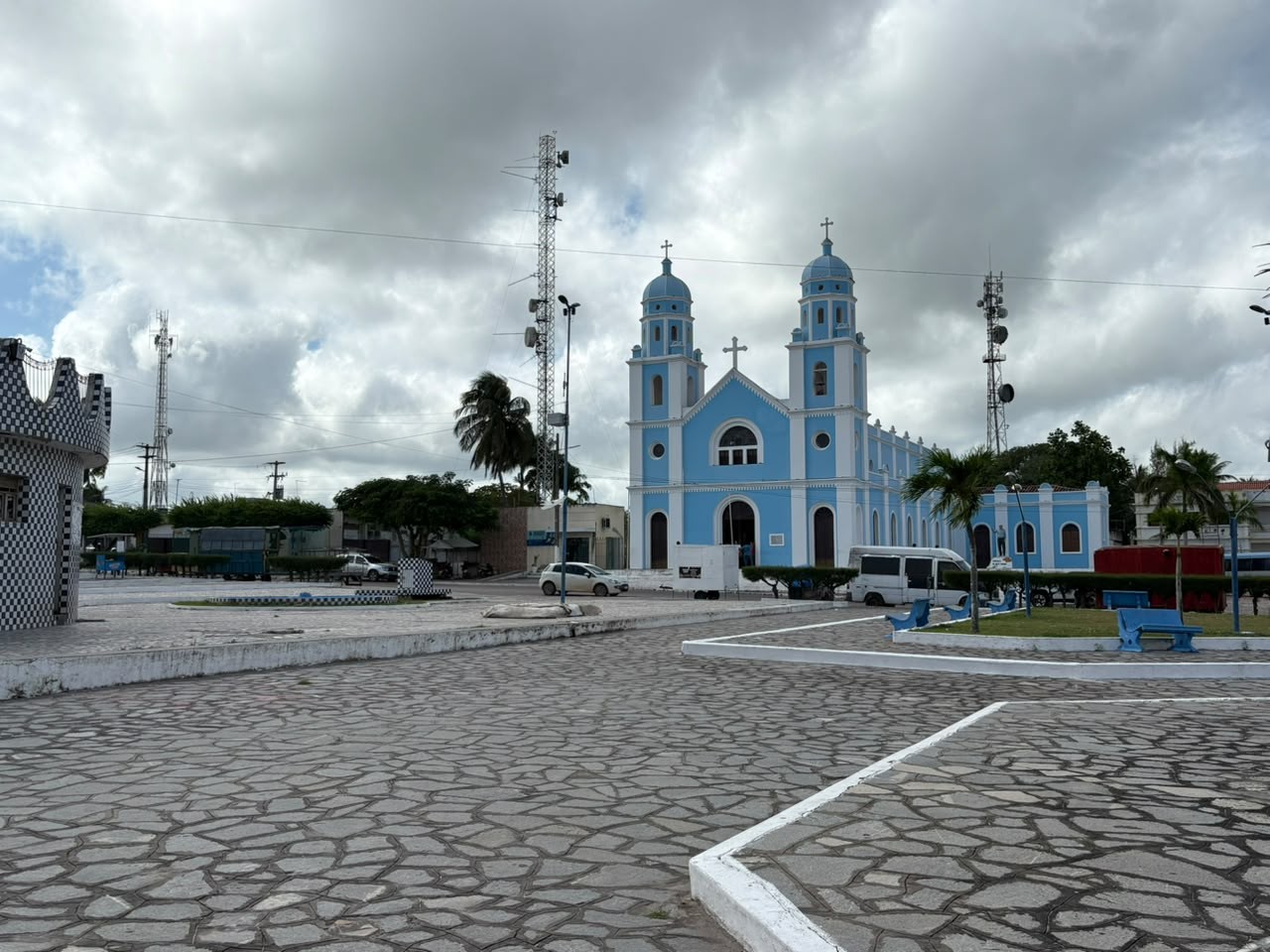
Forty years after experiencing the strongest earthquake in Rio Grande do Norte's history, the city of João Câmara has undergone a remarkable transformation. In November 1986, a magnitude 5.1 tremor struck, causing widespread fear and displacement. Many residents, like Maria de Lourdes Vital, believed the city had no future, selling their properties for very little and leaving in search of safety. Thousands of people, nearly half the population, abandoned João Câmara during the seismic crisis. Maria de Lourdes herself left with her 11 children, facing significant hardship in a new town before eventually returning in 1989 to a city marked by destruction but also by the resilience of those who stayed. Despite the difficulties of rebuilding her life and family, she became a symbol of the city's recovery, now living there at 85 years old. The city, which lost approximately 10,000 residents, has since grown, revitalized its economy, and become a major hub for wind energy in Rio Grande do Norte. The natural phenomenon of 1986 was a profound rupture, with tremors continuing for years, exacerbating the population's fear. The city's physical reconstruction involved emergency actions starting in 1987, with families needing aid to survive. The former mayor, Ribamar Leite, recalls organizing food distribution and improvising solutions like converting a circus into a field hospital. Approximately 1,200 houses were built or rebuilt, some with the mark of the Brazilian Army's Engineering Battalion. A key figure in maintaining hope was Monsignor Luiz Lucena Dias, who stayed with the community, celebrated masses, and encouraged residents to believe in the city's future. His role as a spiritual and community leader was crucial in transmitting confidence in the ongoing recovery efforts. Today, João Câmara boasts a population of 34,800 and is a leader in clean energy, with 29 wind farms and 327 wind turbines, contributing nearly 10% of the state's wind power production. The region's geological activity, once a source of fear, has now attracted foreign investment and positioned the city as a significant player in the renewable energy sector.
The narrative of João Câmara's recovery from a devastating earthquake highlights the interplay between natural disaster, community resilience, and economic transformation. The city's shift from an area of seismic vulnerability to a national leader in wind energy production demonstrates how a region can leverage its unique geographical characteristics for economic development, albeit after a period of immense hardship. This transition underscores the importance of local leadership, community solidarity, and strategic investment in renewable resources as pathways to post-disaster recovery and long-term prosperity. The story also implicitly raises questions about the long-term sustainability of relying on natural phenomena for economic growth and the ongoing need for robust disaster preparedness and infrastructure resilience in seismically active zones.
AI-generated to prompt reflection — not editorial opinion, not advice, not a statement of fact. How this works.