João Câmara's 1986 Earthquake: 40 Years On, Brazil's 'Land of Tremors' Shaped Seismology
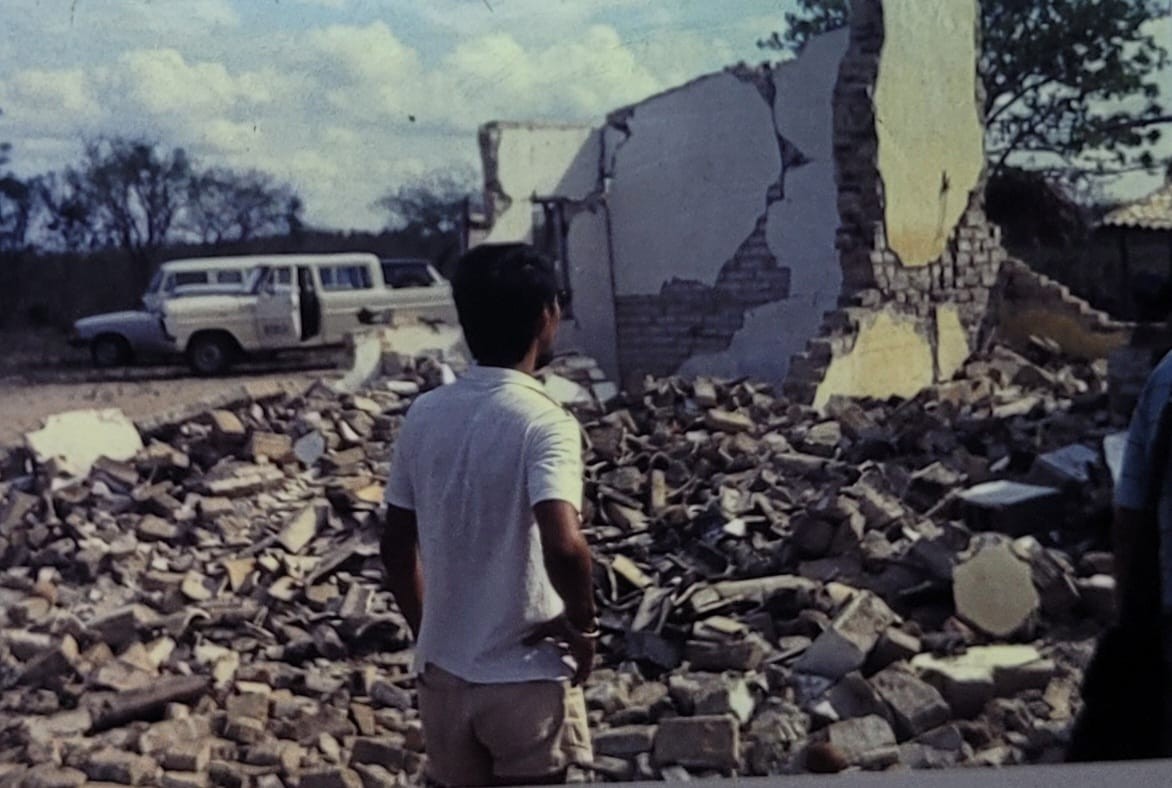
On November 30, 1986, at just after 3 AM, João Câmara in Rio Grande do Norte, Brazil, experienced its most dramatic night when a magnitude 5.1 earthquake struck. This event, the largest recorded in the state and one of Brazil's most significant, devastated thousands of properties and left approximately 10,000 people homeless. The earthquake, originating from the 'Falha de Samambaia' (Samambaia Fault), Brazil's largest active geological fault, served as a stark realization that Brazil is not immune to powerful seismic activity. The city, now known as the 'Land of Tremors,' had been experiencing frequent smaller tremors since June of that year, but the magnitude 5.1 event caused widespread destruction, with around 4,000 houses affected. Residents recall the terrifying moments of shaking walls, falling tiles, and the immediate aftermath of power outages and communication failures, forcing many to seek shelter in open spaces.
The 1986 earthquake and the subsequent seismic activity in the region have profoundly impacted Brazilian seismology. Geoscientist Aderson Nascimento highlighted that the event served as a crucial alert, making Brazilians aware of their vulnerability to earthquakes. The prolonged sequence of tremors, lasting over a decade, transformed João Câmara into a natural laboratory for seismic research. This period attracted top scientists from Brazil and abroad, including those from Japan, the United States, and England, significantly boosting investments and research in seismology. The event was so pivotal that the field of seismology in Brazil is often divided into 'before JC' and 'after JC' (João Câmara), underscoring its transformative effect on the country's scientific understanding and monitoring of seismic events.
The 40th anniversary of the 1986 João Câmara earthquake offers a critical juncture to examine Brazil's evolving seismic preparedness and scientific infrastructure. The event's magnitude and the subsequent prolonged seismic activity underscored a fundamental shift in understanding Brazil's geological landscape, moving beyond the perception of immunity to significant seismic risks. The transformation of João Câmara into a natural research laboratory highlights the positive outcomes of a crisis, fostering international collaboration and advancing seismological study within Brazil. This historical event serves as a powerful case study for how localized geological phenomena can catalyze national scientific development, emphasizing the importance of sustained investment in monitoring and research to mitigate future risks and enhance public safety in seismically active regions.
AI-generated to prompt reflection — not editorial opinion, not advice, not a statement of fact. How this works.