João Pessoa Announces Traffic and Transport Plan for Festa das Neves 2026
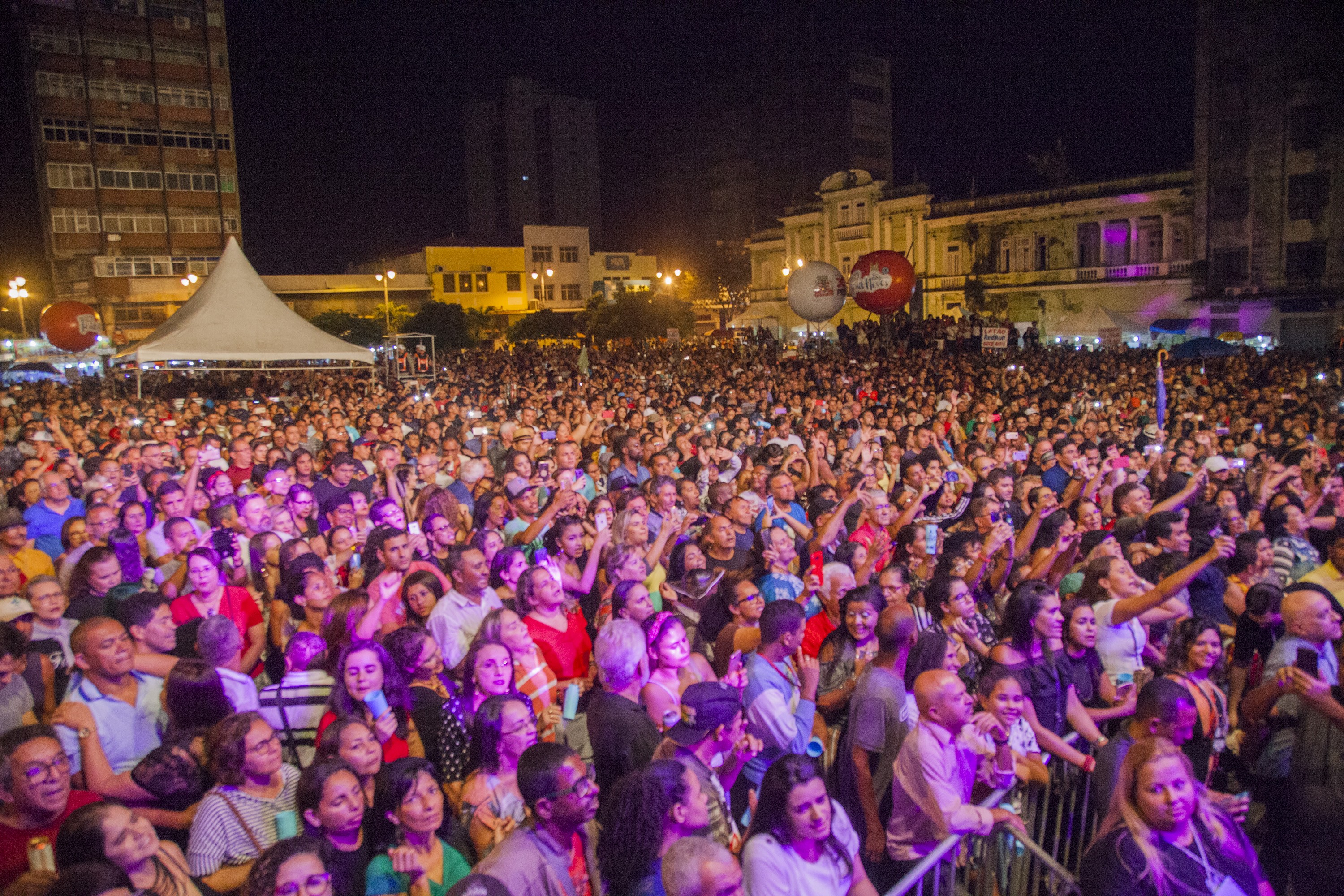
The Municipal Executive Superintendence of Urban Mobility of João Pessoa (Semob-JP) has released the traffic and transportation plan for the Festa das Neves, an event scheduled to take place from July 30th to August 5th at Parque Sólon de Lucena in João Pessoa. The plan commences on July 30th with a performance by padre Nilson Nunes. Semob-JP will deploy 100 agents to manage traffic, with daily road closures beginning at 6 PM in the vicinity of Diogo Velho, Pedro II, and Camilo de Holanda avenues, as well as the area surrounding the lagoon. These blockades will start one hour before the programmed events, which are set to begin at 7 PM.
From July 30th to August 4th, public bus services will be enhanced, though the specific number of additional buses was not provided. Extra buses will also be available after the shows conclude, operating alongside the regular fleet until 11 PM. On August 5th, coinciding with João Pessoa's anniversary, traffic modifications will be implemented for concerts by Fábio Jr. and Roupa Nova at Busto de Tamandaré. Parking will be prohibited on José Augusto Trindade, Antônio Lira, and Índio Arabutan streets from 5 AM, with these streets being closed to vehicles from 5 PM, except for emergency services and event support. Bus services will follow a Sunday schedule on this day, with 52 lines operating, some of which will be reinforced to run until the event's end. Designated pick-up and drop-off points for vans, caravan buses, taxis, and ride-sharing vehicles are also included in the plan.
This announcement details logistical preparations for a public festival, outlining traffic control and public transportation adjustments. The Semob-JP's proactive planning aims to mitigate congestion and facilitate attendee movement, reflecting standard municipal practice for large-scale events. The integration of enhanced public transport and designated pick-up zones suggests an effort to encourage alternatives to private vehicle use, potentially reducing environmental impact and improving urban flow. Future iterations could explore dynamic traffic management systems or integrated ticketing for public transport to further optimize attendee experience and resource allocation, aligning with smart city initiatives.
AI-generated to prompt reflection — not editorial opinion, not advice, not a statement of fact. How this works.