João Pessoa begins mandatory school transport vehicle inspections on July 6
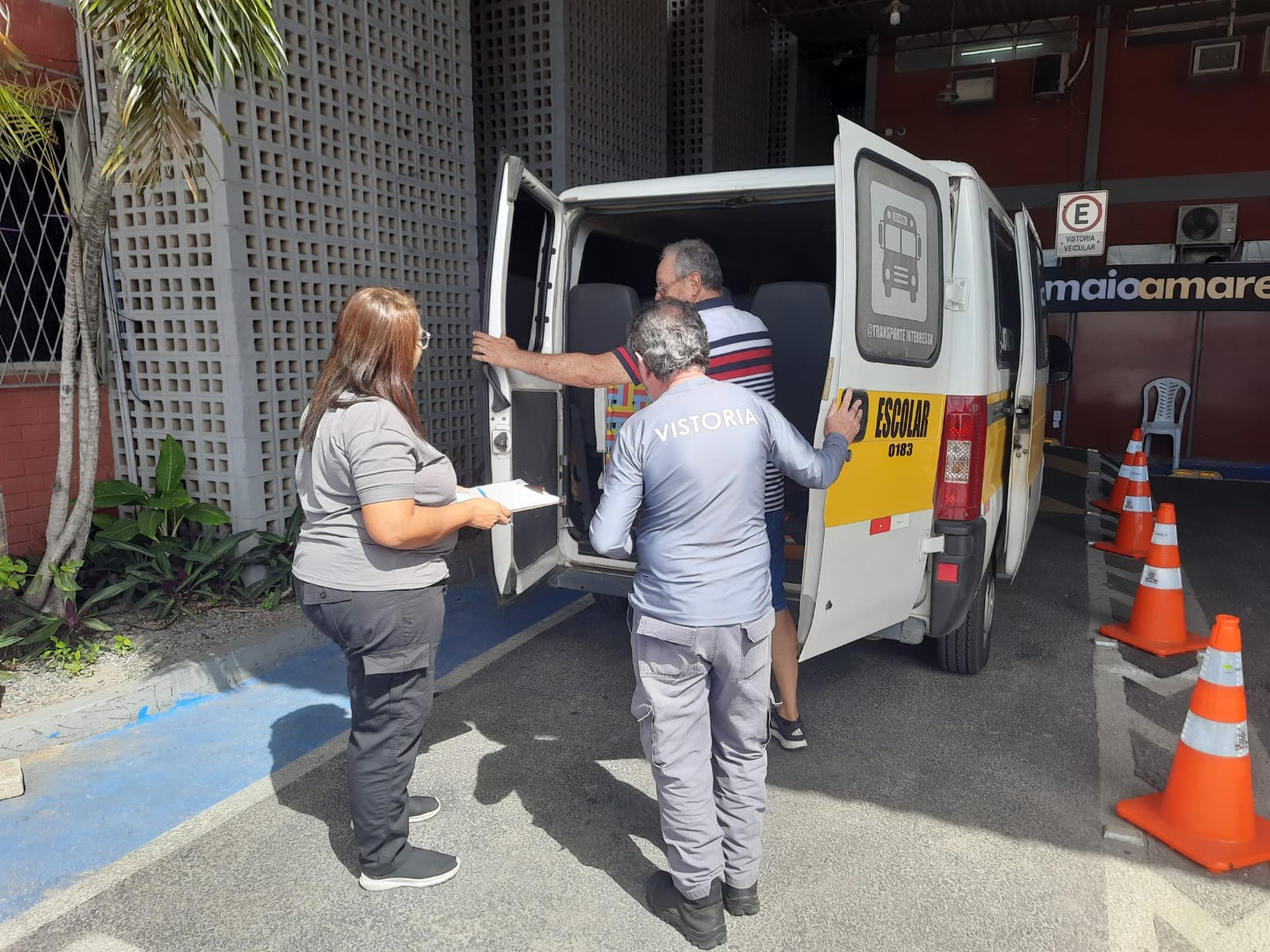
João Pessoa's Urban Mobility Superintendence (Semob-JP) is commencing mandatory inspections for approximately 435 school transport vehicles on Monday, July 6, 2026. These inspections, which align with the Brazilian Traffic Code, aim to ensure student safety and will continue until July 31. The process will take place at Semob-JP's headquarters, located at km 25 of BR-230 in the Cristo Redentor neighborhood, between 8 AM and 1 PM. A new requirement for this semester is the use of an online platform, 1Doc, on the municipal government's website for requesting inspection renewals. A fee of R$107.74 is required for each inspection, with a R$40.40 fine for those who miss their scheduled date. Vehicles failing inspection will be granted a period to rectify issues, depending on the nature of the non-compliance. Failure to resolve problems, especially those related to safety and mandatory equipment, will prevent the operator from providing services. During the inspection, Semob-JP will examine 40 safety items, mandatory equipment, and comfort features, including lights, seats, tires, seatbelts, and fire extinguishers. Compliance with specific regulations for school transport markings will also be verified. Additionally, all necessary documentation for both the vehicle and the driver will be reviewed, such as the driver's license, operating permits, registration certificates, and specialized driver training certifications. Approved vehicles will receive a gray sticker for the windshield, signifying successful completion of the second-semester inspection. Semob-JP advises parents to verify a vehicle's registration and compliance status with the autarchy's Transport Division before hiring services.
This initiative by Semob-JP underscores a systemic commitment to enhancing child safety within educational transportation networks. The introduction of a digital platform for renewal requests reflects an effort to modernize administrative processes and potentially increase efficiency. However, the dual requirement of physical inspection and digital documentation highlights the ongoing challenge of integrating legacy systems with new technological solutions. The fee structure and penalties, while intended to enforce compliance, may present a financial burden for operators, potentially impacting service availability or quality if not carefully managed. Future considerations should include evaluating the long-term impact of these regulatory measures on the accessibility and affordability of school transport, ensuring that safety enhancements do not inadvertently create barriers for essential services.
AI-generated to prompt reflection — not editorial opinion, not advice, not a statement of fact. How this works.