João Pessoa Debt Renegotiation Program 'Refis 2026' Ends Friday
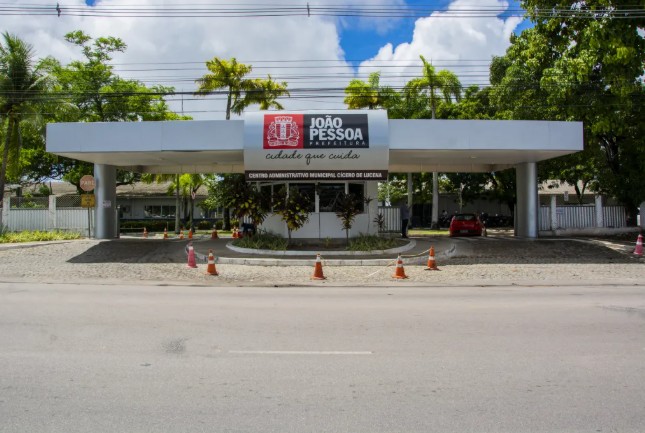
The João Pessoa City Hall's debt renegotiation program, known as Refis 2026, is set to conclude this Friday, May 31st. This initiative offers significant discounts to individuals and businesses seeking to settle outstanding debts with the municipality. Taxpayers can benefit from up to a 90% reduction on interest and penalties for lump-sum payments. For those opting for online negotiation through the Contributor Portal, an additional 5% discount on fines is available. The program also includes a 25% reduction on the Property Transfer Tax (ITBI) for transactions declared or launched by the city hall, provided the tax is paid by July 10th, or for transactions declared during the Refis period. Debts eligible for renegotiation include Urban Property and Land Tax (IPTU), Waste Collection Tax (TCR), and Services Tax (ISS) for non-Simples Nacional participants. It also covers fines from Procon-JP, construction, environmental violations, and other municipal revenues, whether registered in the Active Debt or not, and in any stage of administrative or judicial collection. However, ISS debts from Simples Nacional participants, Public Lighting Service Contribution (Cosip) amounts, traffic violations, and debts incurred after May 31st of this year are not eligible for renegotiation. For executed or protested debts, proof of payment for court costs and notary fees is required to clear the process or protest. Installment payment options are available, with a maximum of seven installments, provided the final payment is made by December of this year. For installment plans, discounts are set at 70% on interest and 60% on both late payment and infraction penalties.
The Refis 2026 program in João Pessoa represents a municipal government's effort to improve its fiscal health by incentivizing the settlement of outstanding tax and fee obligations. By offering substantial discounts on interest and penalties, the program aims to accelerate revenue collection, potentially addressing immediate budgetary needs and reducing the burden of non-performing debt on public administration. This approach, while providing financial relief to debtors and boosting municipal coffers, also highlights a systemic challenge in tax collection and enforcement. The effectiveness of such programs can be evaluated by their ability to generate sustainable revenue streams versus merely offering temporary debt forgiveness. Future fiscal strategies might consider more proactive measures to ensure compliance and reduce the necessity for such large-scale, discount-driven renegotiations, potentially through improved taxpayer education, streamlined payment processes, or more equitable tax structures.
AI-generated to prompt reflection — not editorial opinion, not advice, not a statement of fact. How this works.