João Pessoa Gas Cylinder Prices Show Significant Variation, Up to R$32 Difference
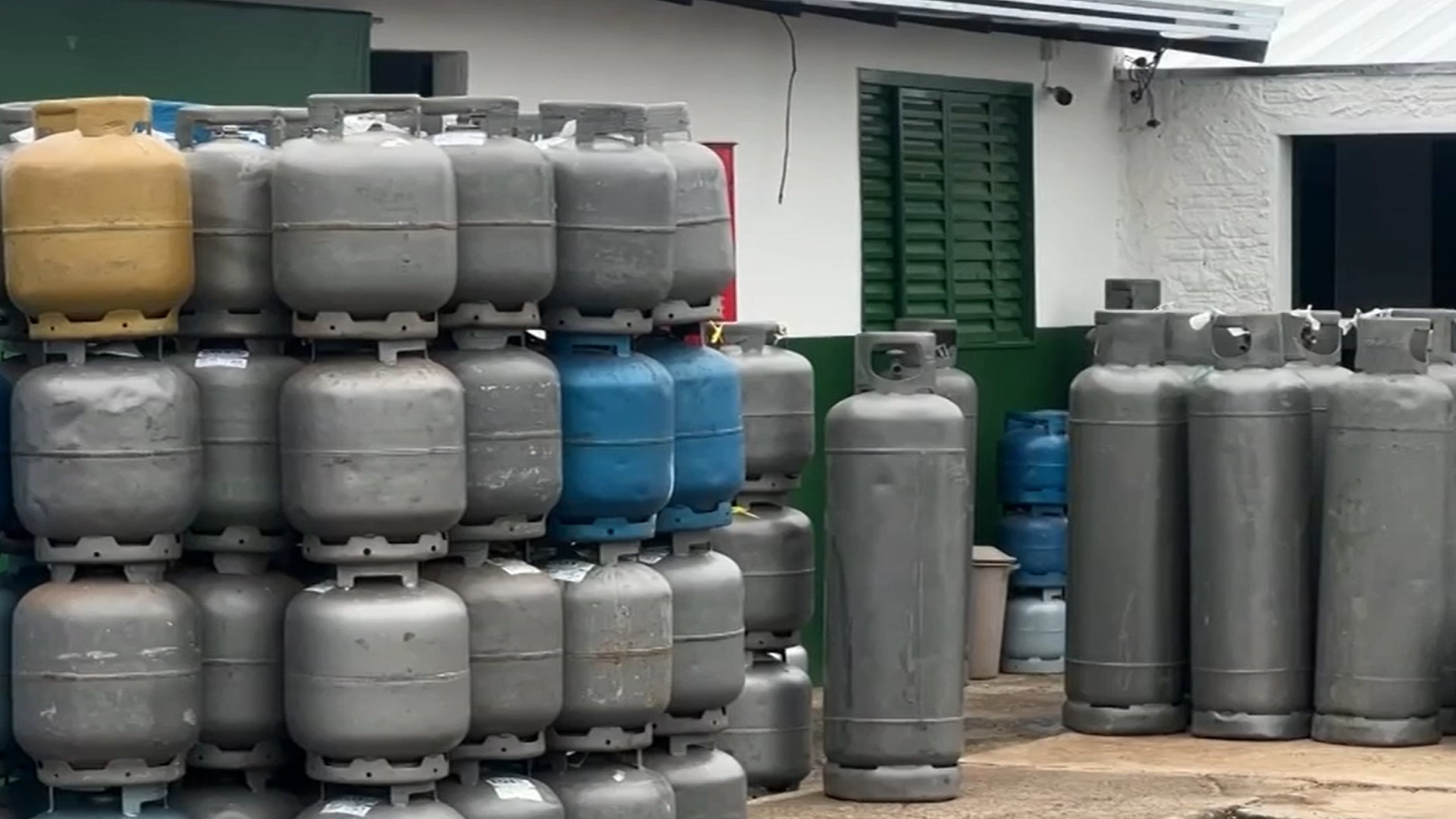
A recent survey by Procon-JP in João Pessoa, Brazil, has revealed substantial price disparities for 13-kilogram cooking gas cylinders. The investigation, conducted across 36 establishments in 32 neighborhoods, found price differences reaching up to R$32. The largest variation was observed for cash payments, where a cylinder was priced as low as R$92.99 in Alto do Mateus and as high as R$125 in Mandacaru, representing a 34.42% increase. The average price for a gas cylinder in the capital was recorded at R$115.31. Other cash prices noted were R$108 in Cristo, and R$110 in Cruz das Armas, Torre, and Mandacaru. For card payments, prices ranged from R$97.99 in Alto do Mateus to R$130 in the same neighborhood. The second-lowest card price was R$110 in Cristo. Procon-JP also examined the cost of gas cylinders sold with the container included. For cash transactions, these kits varied from R$250 in Jaguaribe and Alto do Mateus to R$340 in Bancários, a difference of R$90. Additional prices for the kit were R$260 in Castelo Branco and R$270 in Cruz das Armas. When paying by card, the kit prices ranged from R$250 in Alto do Mateus to R$350 in Bancários and Mandacaru, a R$100 difference. Other lower card prices for the kit were R$260 in Jaguaribe, R$270 in Castelo Branco, and R$280 in Cruz das Armas.
This price variation highlights the complex dynamics of local retail markets, where factors such as supply chain logistics, local competition, and differing operational costs can lead to significant price differentials for essential goods. The substantial range in prices, particularly for cash transactions, suggests potential opportunities for consumer savings through informed purchasing decisions. From a market structure perspective, such disparities may incentivize greater price transparency and competition among vendors. As energy markets evolve, understanding these localized pricing mechanisms remains crucial for ensuring equitable access to essential resources and for policymakers seeking to address potential price gouging or market inefficiencies.
AI-generated to prompt reflection — not editorial opinion, not advice, not a statement of fact. How this works.