João Pessoa Halts Landfill Site Redevelopment Over Company's Contractual Failures
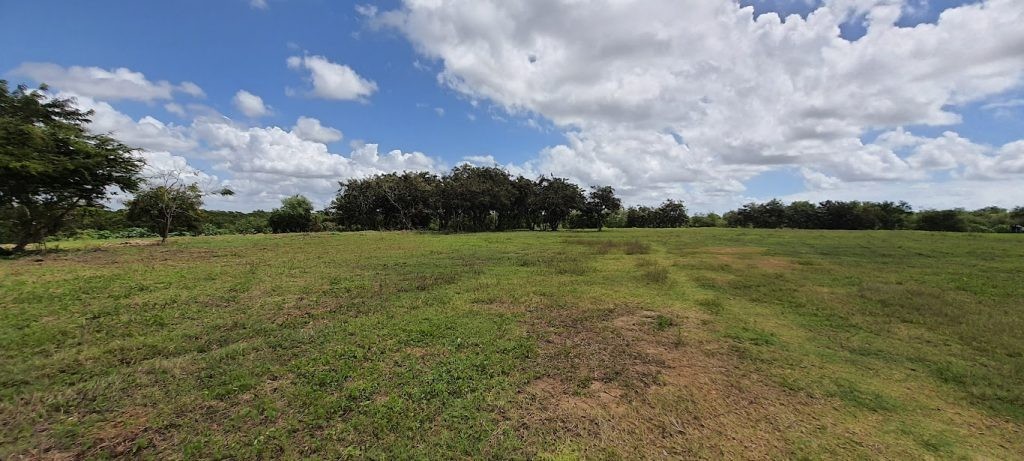
The Prefecture of João Pessoa has ordered the halt of environmental recovery and requalification works at the former Roger landfill site in the capital city. These works are part of the initial phase of the Roger Environmental Park project. The municipal government cited significant failures by the executing company, the Consórcio Cetus Lomacon João Pessoa, in fulfilling its contractual obligations. The decision, published in the Official Gazette on Friday, June 3rd, was made to protect public interest and prevent further irregularities. Technical opinions from the João Pessoa Sustainable Program Executing Unit (UEP) highlighted grave and continuous contractual breaches by the company. These included failure to adhere to the physical-financial schedule, delays in meeting environmental targets, and shortcomings in area recovery obligations. The prefecture stated these issues posed an imminent risk of environmental damage and financial loss to the public treasury if the work continued under the current conditions. The halt initiates an administrative process for contract termination, in line with public procurement laws and the contract itself. During the suspension, the company must maintain environmental control systems, ensure site security, and cooperate with municipal oversight. The case has also been referred for potential administrative penalties, such as fines, unilateral contract termination, and a declaration of unsuitability. Contract execution and deadlines remain suspended pending a final decision.
The suspension of the Roger landfill redevelopment project by the João Pessoa Prefecture highlights the critical importance of robust oversight in public works contracts. The cited issues—non-compliance with schedules, environmental goals, and financial commitments—underscore systemic risks in project management and contractor accountability. Moving forward, enhanced due diligence in contractor selection, clearer performance metrics, and more agile dispute resolution mechanisms could mitigate future occurrences. This situation also presents an opportunity to re-evaluate the long-term environmental and economic viability of transforming former landfill sites, considering the potential for unforeseen challenges and the need for adaptive strategies in urban development, particularly in the context of increasing environmental regulations and climate resilience imperatives.
AI-generated to prompt reflection — not editorial opinion, not advice, not a statement of fact. How this works.