João Pessoa Offers Over 1,000 Free Language and Libras Courses
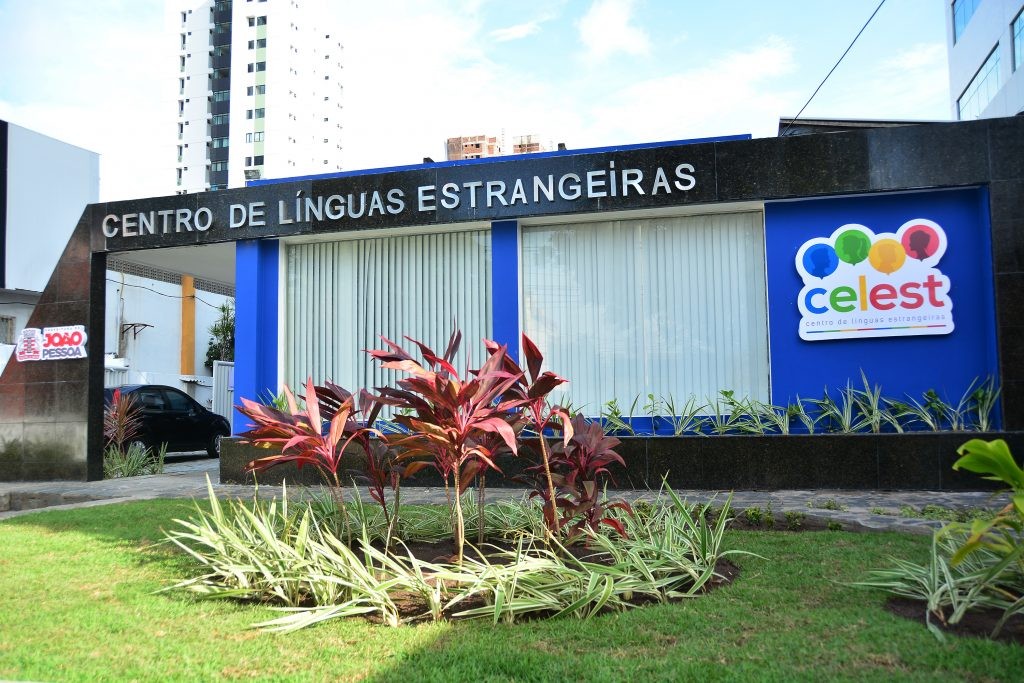
The Municipality of João Pessoa, through the Center for Foreign Languages (Celest), is opening registrations for 1,025 free spots in courses for English, Spanish, French, German, and Brazilian Sign Language (Libras). The enrollment period begins on Saturday, June 18th, exclusively online starting at 8 AM. Applicants must have an active Gmail account to participate. Classes are scheduled to commence on August 3rd and will be conducted in person.
Of the total openings, 550 are designated for adults aged 18 and over, including municipal employees and education professionals, with classes held at the Celest headquarters on Avenida Epitácio Pessoa. An additional 100 spots for English and Spanish are available at the Celest Sul unit in Mangabeira. Furthermore, 375 places are reserved for municipal education network students in the 6th to 9th grades, for English and Spanish courses. These students' enrollment requires in-person registration at the Celest headquarters between July 23rd and 29th, with required documentation including CPF, ID, birth certificate, proof of residence, school records, and a 3x4 photo.
The courses are free, in-person, and can last up to six academic semesters, with classes meeting once a week for approximately 2.5 hours. Adult applicants can be new learners or those with prior language knowledge meeting specific criteria, provided they are at least in the 6th grade of elementary school. The online registration process involves selecting a language, unit, and preferred time, then completing a form. Successful candidates will be notified via email and through official Celest channels for matrícula confirmation. For municipal students, matrícula is in person with the aforementioned documents.
This initiative by the João Pessoa municipality aims to enhance linguistic accessibility and educational opportunities through free language and Libras courses. By allocating a significant number of spots, the program addresses a public demand for skills development in a globalized world and promotes inclusivity for deaf communities. The online registration system, while aiming for efficiency, relies on digital access, potentially creating a barrier for some individuals. The program's structure, offering both adult and student-specific enrollment, demonstrates an effort to cater to diverse needs. Future iterations could explore hybrid learning models to broaden reach and consider the long-term sustainability of such public educational investments in response to evolving workforce demands and technological advancements.
AI-generated to prompt reflection — not editorial opinion, not advice, not a statement of fact. How this works.