João Pessoa: Part of Shrine Wall Collapses, Area Partially Closed
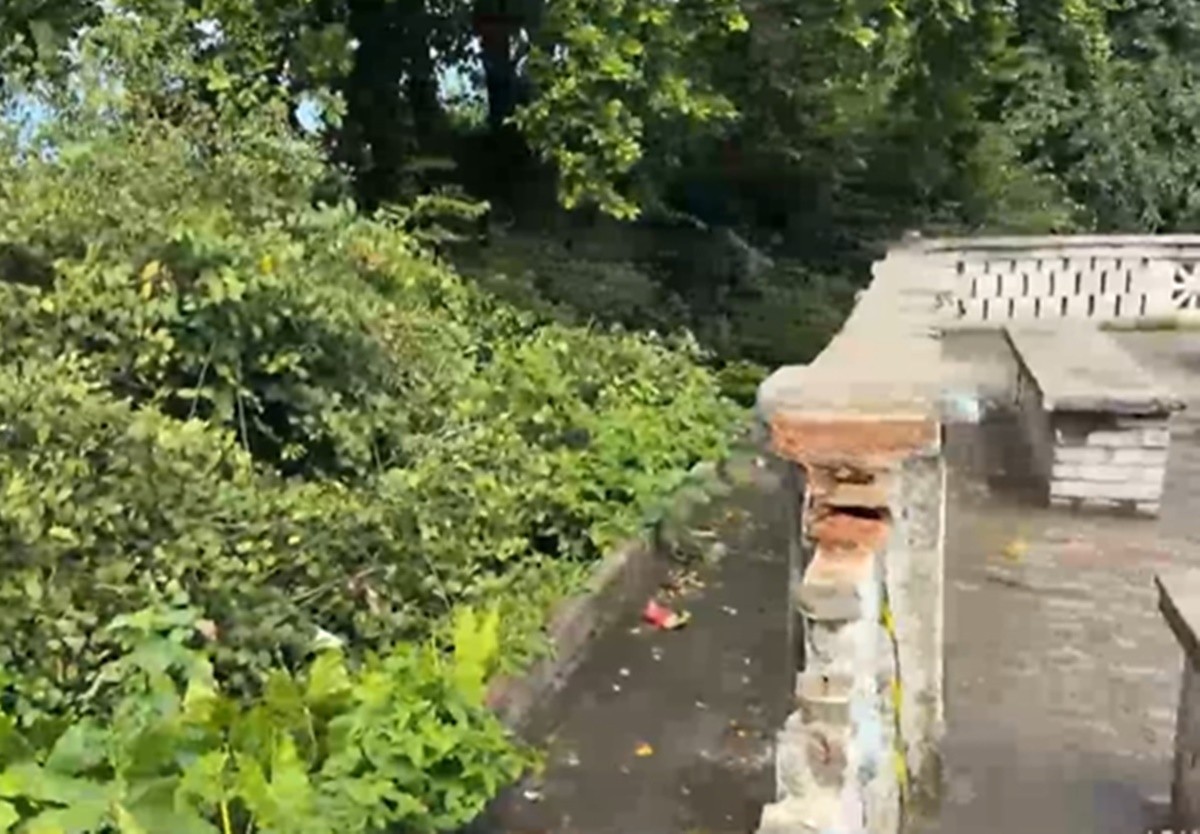
A section of the wall at the Sanctuary of Nossa Senhora da Penha in João Pessoa, Brazil, collapsed on Thursday, May 23rd. Following the incident, the Civil Defense agency has partially closed the area around the balustrade on Friday, May 24th. This precautionary measure aims to prevent vehicles from parking or driving near the affected section, thereby ensuring the safety of visitors. The Civil Defense has also advised the parish to remove a container currently on-site to alleviate structural stress and reduce potential risks. Kelson Chaves, coordinator of Civil Defense, emphasized that the closure is due to identified imminent risks that could affect visitors and that further mitigating actions are being recommended. The prohibition on parking near the balustrade will remain in effect until permanent repairs are completed, with drivers being directed to use alternative parking areas. The sanctuary, a significant tourist and religious landmark in João Pessoa, is listed by the State Institute of Historical and Artistic Heritage of Paraíba (Iphaep). Fortunately, no injuries were reported during the wall collapse. The João Pessoa Infrastructure Secretariat stated that while they isolated the area, the wall's repair is the responsibility of the Catholic Church, as it is church property.
The collapse of a portion of the Sanctuary of Nossa Senhora da Penha's wall highlights the critical intersection of heritage preservation, public safety, and institutional responsibility. While the immediate response focused on preventing further harm through area closure, the event underscores the long-term challenge of maintaining historical structures, particularly those with religious significance, which often rely on church stewardship. The incident prompts consideration of proactive structural assessments for heritage sites, especially in coastal or environmentally sensitive areas, to preemptively address risks before they manifest as failures. Future planning for such landmarks may require collaborative frameworks involving municipal authorities, heritage bodies, and religious institutions to ensure adequate funding and technical expertise for ongoing maintenance and risk mitigation, thereby safeguarding both cultural assets and public well-being.
AI-generated to prompt reflection — not editorial opinion, not advice, not a statement of fact. How this works.