João Pessoa's Zona Azul parking fee reinstated by court order
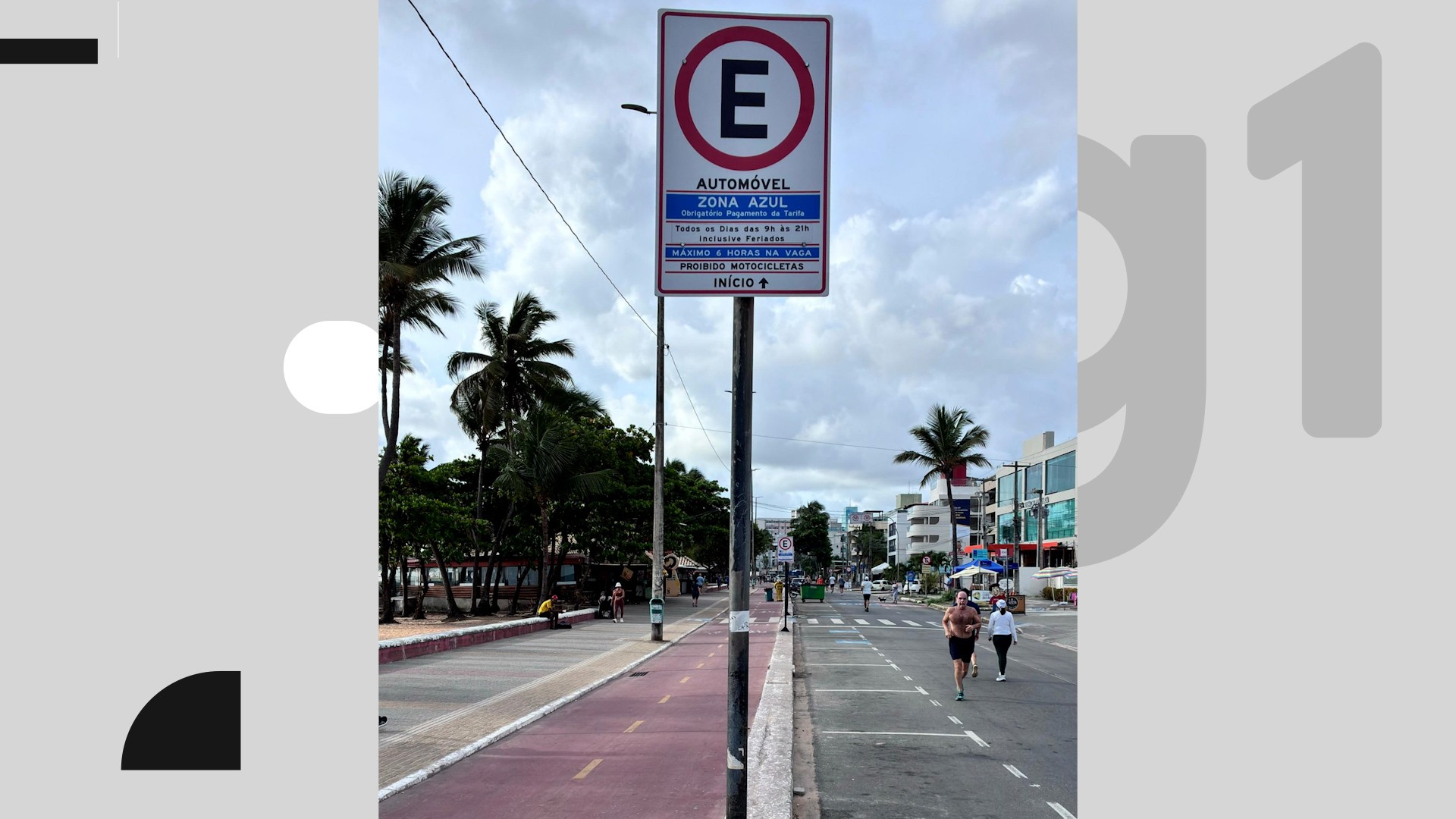
A court has authorized the return of a R$30 fee for using the digital Zona Azul parking system in João Pessoa, Paraíba. The decision was made by Judge Túlia Gomes de Souza Neves of the 3rd Civil Chamber of the Court of Justice of Paraíba (TJPB) on Tuesday, June 4th. Alongside reinstating the fee, the judge also permitted the resumption of enforcement actions for the regulated parking system in the city. This ruling addresses a reconsideration request filed by the consortium responsible for managing the service, Sinalvida-Rek Parking and SPE Estacionamento Rotativo João Pessoa. The decision suspends a prior injunction from the 1st Public Treasury Court that had halted the collection. The suspension will remain in effect until the merits of the interlocutory appeal are definitively analyzed by the full 3rd Civil Chamber. Initially, the judge had maintained the suspension, deeming the fee potentially abusive, noting that 89.5% of revenue would go to concessionaires while only 10.5% would go to the municipality. However, upon reviewing updated financial statements, the judge found that the consortium has incurred a negative operational result of R$6.2 million and a cash flow deficit of R$5.1 million between February 2025 and June 2026. The court clarified that the 89.5% allocated to the concessionaire covers operational costs and infrastructure investments exceeding R$9 million, which were privately funded. The judge also stated that the Post-Use Fee (TPU) is a public price or tariff, not a traffic fine, as parking in the Zona Azul is voluntary. The ruling suggests that maintaining the suspension could jeopardize the concession's financial stability, potentially leading to job losses, disruption of electronic monitoring, and future municipal liabilities.
This judicial decision highlights the complex financial dynamics inherent in public-private partnerships for urban services. The court's reassessment, based on updated financial data, shifts the perspective from potential overcharging to the concessionaire's operational viability and the risk of service collapse. The analysis suggests that the fee structure, while appearing heavily weighted towards private operators, is intended to cover significant upfront investments and ongoing operational costs. The ruling emphasizes the potential negative externalities of suspending such fees, including impacts on employment and service continuity, framing the TPU as essential for maintaining the concession's financial equilibrium and preventing future municipal costs. This situation underscores the challenge of balancing public access and affordability with the financial sustainability required for private entities to deliver essential urban infrastructure and services.
AI-generated to prompt reflection — not editorial opinion, not advice, not a statement of fact. How this works.
