João Rock Festival Unveils Massive LED Stage, Boosts Infrastructure for 65,000 Attendees
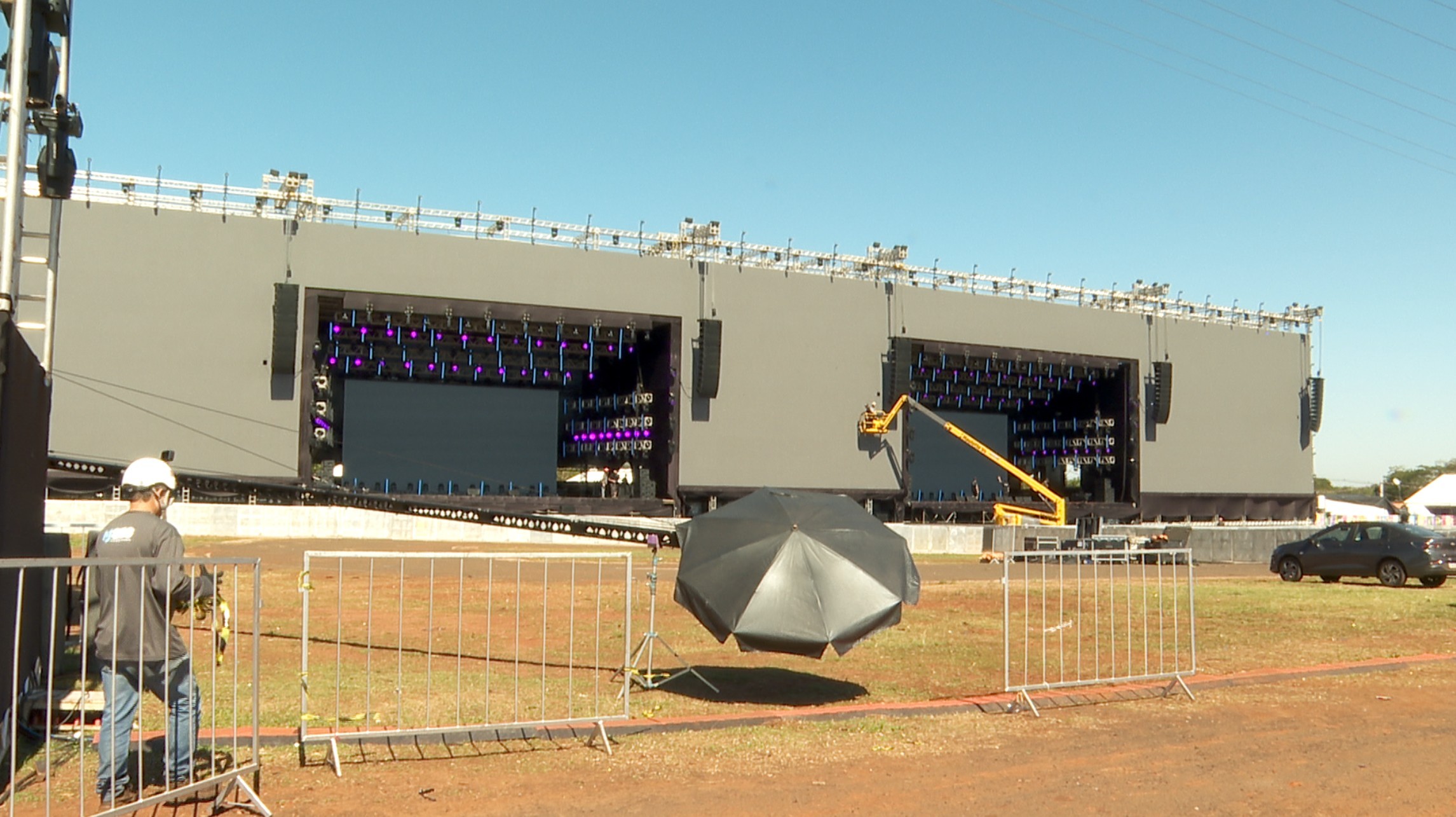
The João Rock festival, set to take place on Saturday, June 1st, in Ribeirão Preto, São Paulo, is debuting a significant new feature: a massive LED stage named after the event itself. This stage, described as the festival's largest, has undergone a complete redesign, incorporating state-of-the-art LED technology, which the organization highlights as a major investment for this year. According to production director Marcio Pott, the new stage is designed to enhance visual impact and technical quality, measuring an impressive 120 meters in length and 24 meters in height. Pott stated that the stage utilizes cutting-edge full LED technology and a sound system comparable to those found at major international festivals. The festival will feature a diverse lineup across four stages, including artists like Alceu Valença, Zé Ramalho, BaianaSystem, Os Paralamas do Sucesso, Lagum, Detonautas, Raimundos, Marina Sena, Criolo, Marcelo D2, and Luedji Luna. The stages are designed to operate simultaneously without sound interference, ensuring a high-quality audio experience for all attendees. The festival grounds span 200,000 square meters, a scale Marcio Pott compares to a temporary city, and organizers anticipate welcoming 65,000 people over 12 hours of programming. The event aims to provide comfort, security, and an exceptional experience for visitors from across Brazil. Beyond the music, attendees can enjoy a 200-meter zip line, a Ferris wheel, a skate park, relaxation areas, and yoga sessions. Approximately 7,000 staff members are expected to work during the festival, with the primary goal being to ensure a memorable experience for all 65,000 attendees, fostering a desire for their return in 2027.
The João Rock festival's significant investment in a large-scale LED stage and expanded infrastructure for 65,000 attendees reflects a strategic focus on enhancing the attendee experience through technological advancement and scale. This approach aligns with broader trends in the live entertainment industry, where immersive visual elements and robust logistical planning are increasingly crucial for attracting and satisfying large audiences. The festival's organizers are leveraging technology not just for aesthetic appeal but also to manage complex operations, such as simultaneous performances across multiple stages without sound bleed, indicating a sophisticated understanding of production challenges. The emphasis on creating a comprehensive 'city-like' environment with diverse attractions beyond music suggests a business model that prioritizes a holistic entertainment experience, aiming to maximize engagement and encourage repeat attendance. This strategy anticipates the evolving expectations of festival-goers in the coming decade, where technological integration and curated experiences will likely play an even more central role in differentiating events within a competitive market.
AI-generated to prompt reflection — not editorial opinion, not advice, not a statement of fact. How this works.