Job Prospects in the Automotive Industry Amidst Major Layoffs
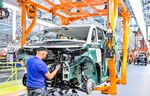
Volkswagen's significant job cuts in Germany highlight the ongoing transformation within the automotive sector. Experts are now advising on the specific skills that remain in demand as the industry navigates this period of change. The situation underscores a broader trend of restructuring and adaptation across major automotive manufacturers. This shift is driven by evolving technological landscapes and changing consumer preferences. Consequently, the demand for certain traditional roles may be declining, while new opportunities arise in areas like software development, data analysis, and electric vehicle technology. Professionals seeking to maintain their career relevance are encouraged to focus on acquiring these new competencies. The industry's future workforce will likely require a different skill set than in previous decades. Understanding these emerging requirements is crucial for both individuals and companies aiming to thrive in the evolving automotive market.
The automotive industry's current restructuring, exemplified by Volkswagen's workforce reductions, reflects a fundamental technological and market paradigm shift. This transition, driven by electrification, autonomous driving, and digitalization, necessitates a recalibration of talent acquisition and development strategies. Companies must proactively invest in reskilling and upskilling their existing workforce while strategically recruiting individuals with expertise in software engineering, artificial intelligence, and battery technology. Failure to adapt talent pools to these evolving demands risks exacerbating workforce displacement and hindering innovation. The long-term viability of automotive manufacturers will depend on their agility in fostering a future-ready workforce capable of navigating the complexities of advanced mobility solutions.
AI-generated to prompt reflection — not editorial opinion, not advice, not a statement of fact. How this works.