Johannesburg Residents Protest Widespread Power Outages and Lack of Electricity in Informal Settlements
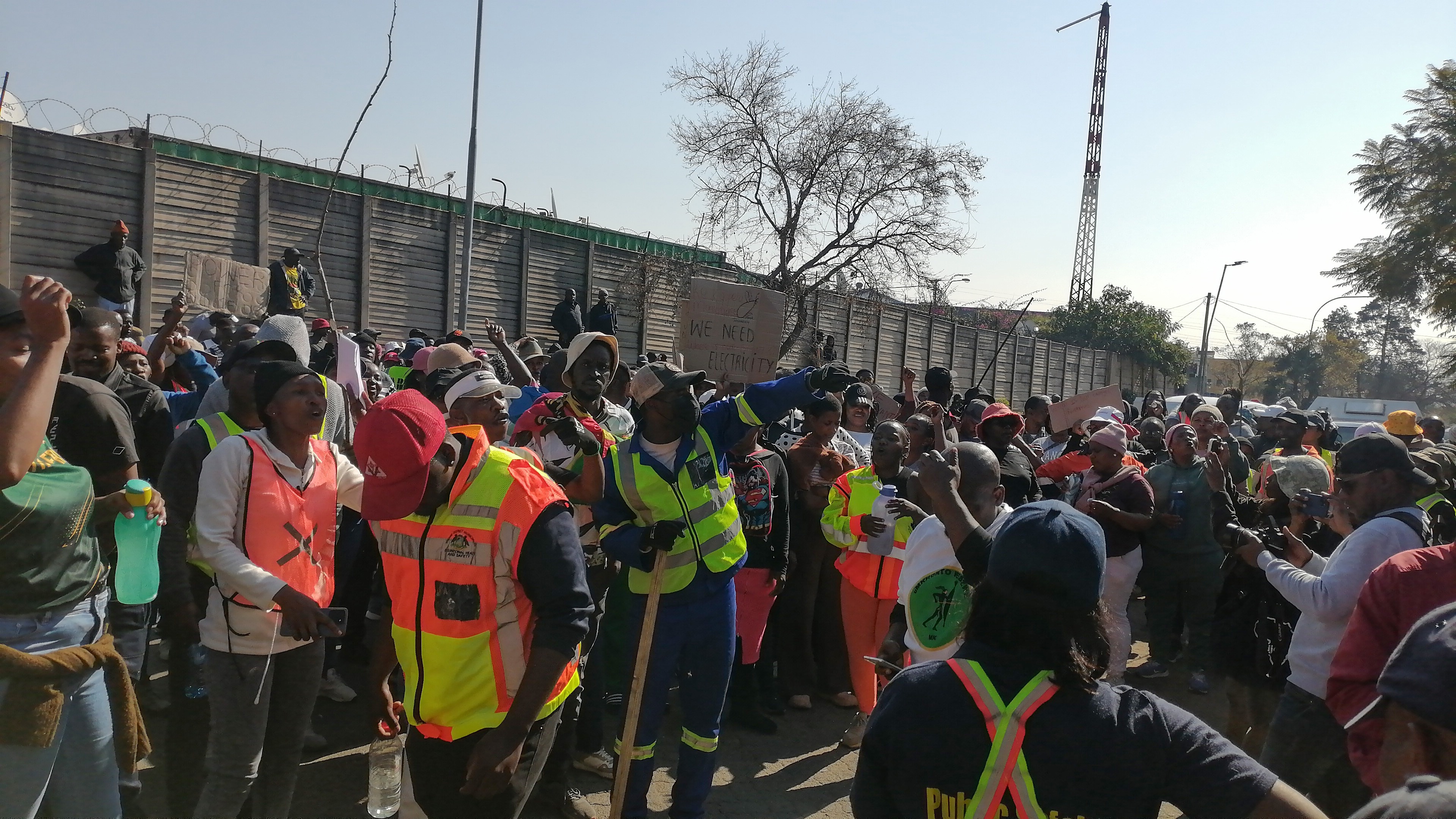
Communities across Johannesburg have initiated street protests this week to voice their frustration with City Power's persistent electricity outages. The demonstrations also serve to highlight long-standing demands for the provision of electricity to informal settlements within the city. Residents are expressing their dissatisfaction with the unreliable power supply that is impacting daily life and economic activities. The protests underscore a growing impatience with the municipality's ability to manage the power infrastructure effectively. The specific areas most affected by these outages have not been detailed in the provided information, but the widespread nature of the protests suggests a significant portion of the city is experiencing disruptions. The core grievances revolve around both the unreliability of the current supply and the exclusion of informal settlements from basic services. This situation points to a critical infrastructure challenge facing Johannesburg and its governing body, City Power.
The protests in Johannesburg highlight a critical infrastructure and service delivery challenge, likely stemming from a combination of aging grid infrastructure, insufficient investment, and potentially complex regulatory or financial hurdles in extending services to informal settlements. The recurring nature of such outages and protests suggests systemic issues in City Power's operational capacity and long-term planning. Addressing these requires not only immediate repairs but also strategic investment in grid modernization and equitable service expansion, considering the socio-economic implications of energy access. Future-proofing Johannesburg's power supply will necessitate innovative financing models and potentially a review of governance structures to ensure reliability and inclusivity in the face of growing urban demand and the evolving energy landscape.
AI-generated to prompt reflection — not editorial opinion, not advice, not a statement of fact. How this works.