Johnny Depp's 'Bah!' Post Goes Viral, Sparking Gaúcho Culture Buzz
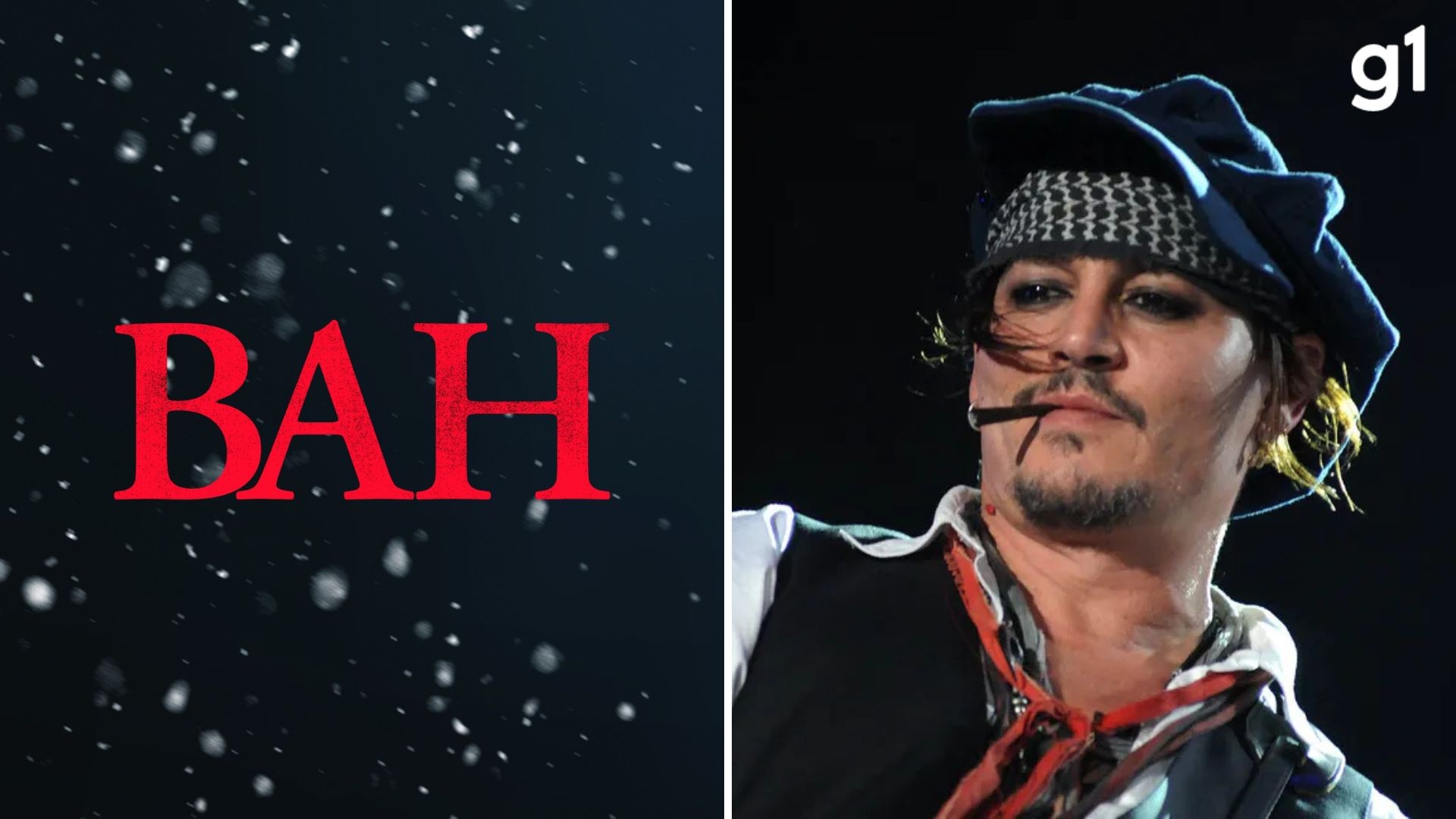
Actor Johnny Depp recently caused a stir on social media by using the popular Gaúcho expression 'Bah!' in a post promoting his upcoming film, 'Ebenezer and the Christmas Ghosts.' The American actor shared a series of images on Instagram forming the phrase 'Bah! Humbug!', a line famously spoken by Ebenezer Scrooge in Charles Dickens' 1843 work. This phrase, often translated as 'nonsense' or 'a fraud,' resonated with Brazilian fans, particularly those from Rio Grande do Sul, where 'Bah' is a ubiquitous interjection. Depp's post quickly went viral, amassing over 10,000 comments by Friday, November 24th. Many users responded with humorous remarks, playfully asking if he planned to film in Porto Alegre or open a chocolate factory in Gramado. Others made references to his role in 'Pirates of the Caribbean,' suggesting Gaúcho-themed spin-offs like 'Pirates of the Guaíba.' The actor's appearance in the film's trailer, with a long beard and gray hair, has also drawn attention. The film, a new adaptation of 'A Christmas Carol,' is set to premiere on November 12th and features a star-studded cast including Rupert Grint, Daisy Ridley, and Ian McKellen.
Johnny Depp's use of the Gaúcho interjection 'Bah!' highlights the global reach of cultural expressions through social media and celebrity influence. This event demonstrates how a single post can foster a sense of connection and pride within a specific regional community, prompting playful cultural exchanges. The viral nature of the post underscores the power of shared language and pop culture in bridging geographical divides. From a systems perspective, this instance illustrates the intricate interplay between entertainment, digital platforms, and regional identity, showing how cultural touchstones can be amplified and recontextualized on a global stage. The engagement from the audience suggests a desire for cultural recognition and a positive reception to actors engaging authentically with local vernacular.
AI-generated to prompt reflection — not editorial opinion, not advice, not a statement of fact. How this works.