Johnson & Johnson Offers $5.5 Billion to Settle Thousands of Cancer Lawsuits Over Talc Products
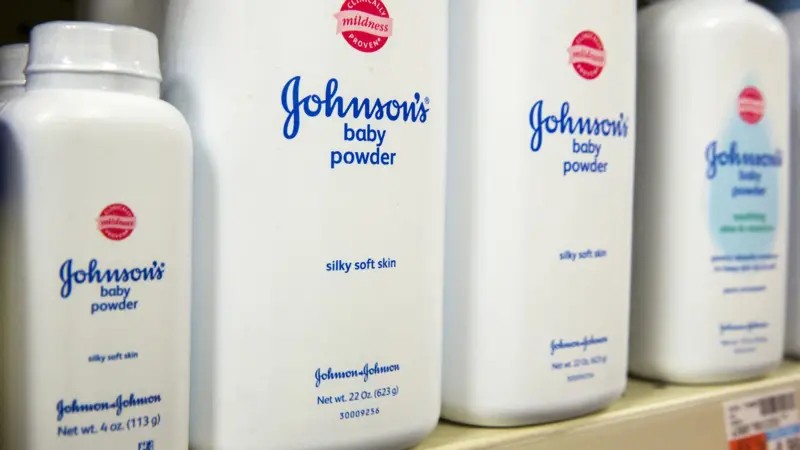
Johnson & Johnson (J&J) has proposed a settlement of up to $5.5 billion (approximately R$ 28 billion) to resolve tens of thousands of lawsuits in the United States. These lawsuits allege that the company's talc-based baby powder and other talc products caused ovarian cancer. The proposed settlement aims to conclude a protracted legal battle that has burdened the New Jersey-based healthcare giant for years. J&J maintains that its talc products are not carcinogenic and has already reformulated its widely used baby powder. Erik Haas, the company's vice president of litigation, stated on Monday that the claims are "without merit" and that J&J is willing to settle to definitively close the matter. The company indicated that the agreement would cover approximately 76,000 cases, representing the majority of remaining talc-related claims. J&J plans to offer $3 billion (R$ 15.4 billion) next year, with no further payments due before 2028. For the settlement to be finalized, it requires acceptance from law firms representing 95% of ovarian cancer cases in state and federal courts. Haas expressed confidence that J&J would have ultimately prevailed in further litigation, mirroring its success in most cases tried to date. He added that the proposed resolution would allow the company to "move beyond this matter" and refocus on its mission of developing life-saving medicines and devices. Lawsuits against J&J concerning its talc-based baby powder began as early as 2009. In July, a federal court ruled in favor of the company, questioning the ability of individual plaintiffs to prove that talc was the direct cause of their ovarian cancer. Talc, a mineral composed of magnesium, silicon, oxygen, and hydrogen, is known for its soap-like texture and was historically used in baby powder. Plaintiffs and their families have filed suits alleging J&J's talc products caused cancer due to asbestos contamination, as talc is often mined near asbestos deposits. J&J has consistently denied these allegations, asserting in its latest statement that "studies show talc is safe, asbestos-free, and does not cause cancer." In 2022, J&J announced it would cease manufacturing and selling its talc-based baby powder globally, following a similar discontinuation in the U.S. over two years prior. The company cited a global portfolio review as the reason for transitioning to a baby powder portfolio entirely based on cornstarch.
Johnson & Johnson's substantial settlement offer, while framed as a resolution, highlights the significant financial and reputational risks associated with long-term product liability litigation. The company's strategy appears to balance the desire to end costly legal battles with its assertion of product safety, a common tension in corporate risk management. The proposed settlement, covering a vast majority of claims, suggests a pragmatic approach to managing future uncertainties, particularly given the evolving scientific and regulatory landscape surrounding consumer products. This situation underscores the importance of robust product stewardship and transparent communication in maintaining public trust, especially as AI and advanced analytics increasingly scrutinize corporate practices and potential health impacts over extended product lifecycles. The shift to cornstarch-based products indicates a proactive adaptation to market and legal pressures, demonstrating how companies may pivot their product portfolios in response to systemic risks.
AI-generated to prompt reflection — not editorial opinion, not advice, not a statement of fact. How this works.