Johnson & Johnson Seeks $5.5 Billion Settlement Over Baby Powder Cancer Claims
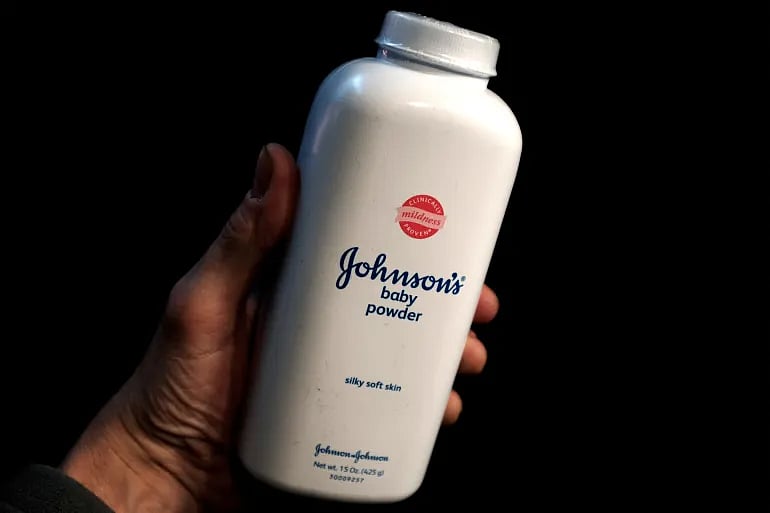
Johnson & Johnson has proposed a settlement of $5.5 billion to resolve claims that its talc-based baby powder caused cancer. This settlement offer is contingent upon at least 95% of plaintiffs who filed lawsuits in state and federal courts agreeing to the terms. The company has faced thousands of lawsuits alleging that its iconic baby powder, a product used for decades, led to various forms of cancer, particularly ovarian cancer and mesothelioma.
Johnson & Johnson has maintained that its products are safe and that scientific evidence does not support the claims of cancer causation. However, the significant financial offer indicates a strategic move to manage ongoing litigation and potential future liabilities. The company previously attempted to resolve these claims through bankruptcy proceedings, but those efforts were unsuccessful. This new settlement proposal represents a substantial financial commitment aimed at bringing closure to the protracted legal battles surrounding its talc-based products.
The proposed $5.5 billion settlement by Johnson & Johnson over cancer claims linked to its baby powder highlights the complex interplay between corporate liability, public health concerns, and evolving scientific understanding. While the company asserts product safety, the substantial settlement offer suggests a pragmatic approach to mitigating long-term legal and reputational risks. This situation underscores the increasing scrutiny on consumer products and the potential for significant financial repercussions when scientific consensus or public perception shifts. Looking ahead, such outcomes may drive greater emphasis on rigorous product testing and transparent communication regarding potential health impacts, particularly as regulatory bodies and consumer advocacy groups continue to adapt to new scientific evidence and technological advancements in product analysis.
AI-generated to prompt reflection — not editorial opinion, not advice, not a statement of fact. How this works.