Johor-Singapore Causeway Congestion May Impact Malaysia's State Election Outcome
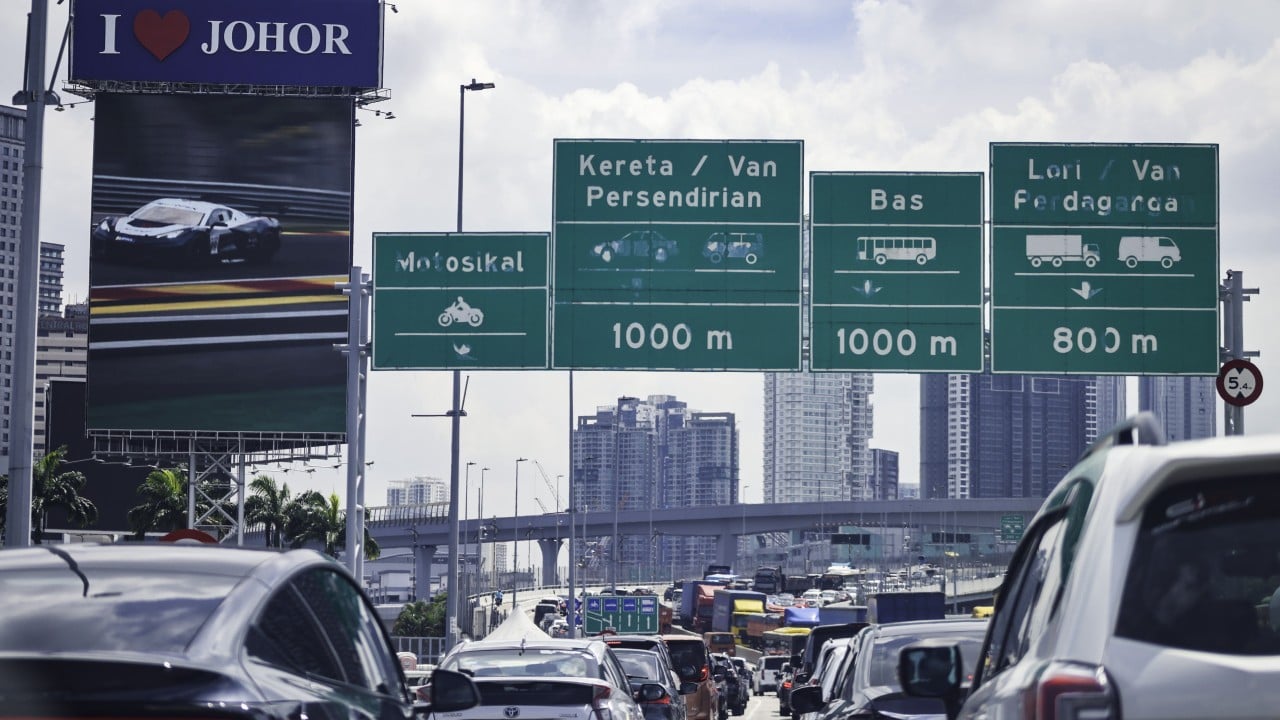
The Johor-Singapore Causeway's persistent bottlenecks are emerging as a significant factor in Malaysia's upcoming state election on July 11. Many Johor residents, like 26-year-old nurse Adli Hakimi, work in Singapore and are known as "SGD fighters" due to higher earnings in Singapore dollars. These voters face the complex decision of balancing their work schedules, requesting leave, and enduring border queues to cast their ballots. For Malaysia, the election hinges on its ability to mitigate immigration issues and ease congestion at the Causeway. This is crucial to ensure that these vital voters, who commute daily, can participate in what is shaping up to be a closely contested election. The outcome could be influenced by how effectively the government addresses these logistical challenges, potentially swaying the results in Johor.
The logistical hurdles faced by Singapore-based Malaysian workers highlight a critical governance challenge: ensuring citizen participation in democratic processes amidst cross-border economic realities. The "SGD fighter" phenomenon underscores the economic pull of Singapore and the potential disenfranchisement of a significant voter bloc if border infrastructure and immigration procedures remain inefficient. This situation presents a clear incentive for Malaysian authorities to streamline border crossings, not only for election integrity but also for broader economic and social connectivity. Looking ahead, as remote work and cross-border labor continue to evolve, effective management of such transit points will become increasingly vital for national engagement and economic policy.
AI-generated to prompt reflection — not editorial opinion, not advice, not a statement of fact. How this works.