Joint pain is a sign of muscle weakness, not age
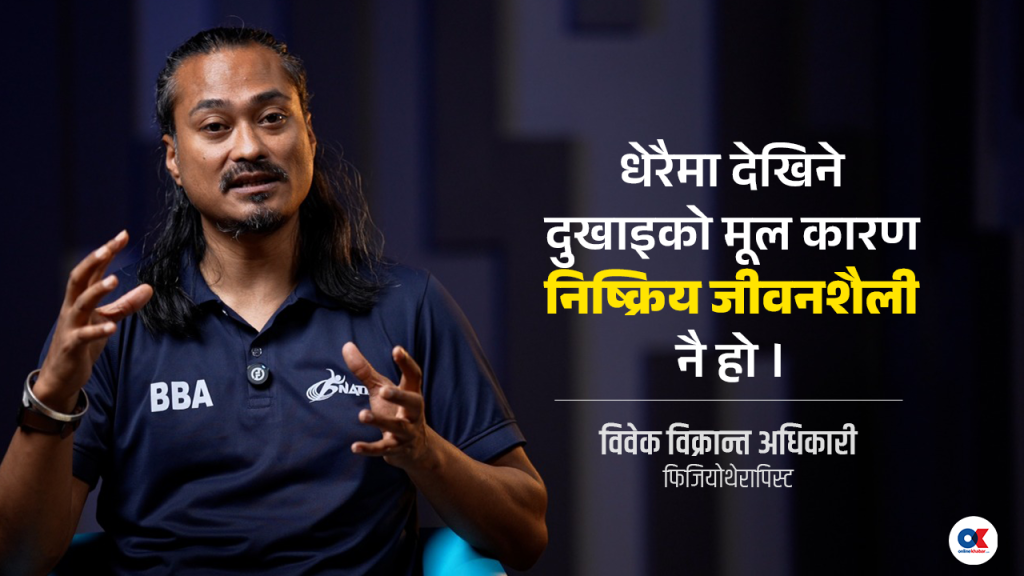
Pain in the knees, back, or shoulders is not necessarily a consequence of aging, but rather an indication of weakened muscles. Muscles are designed to function and strengthen with use. The more a muscle is worked, the stronger it becomes. Conversely, inactivity and prolonged rest lead to muscle deterioration and weakness. Therefore, addressing joint pain often involves strengthening the associated muscle groups through appropriate exercise and activity.
This perspective reframes common bodily discomforts from an inevitability of aging to a consequence of muscle conditioning. It suggests that proactive engagement with physical activity can mitigate or prevent such issues. This aligns with a growing understanding of the body as a dynamic system responsive to stimulus, rather than a passively degrading structure. The emphasis on 'use it or lose it' highlights the potential for lifestyle interventions to influence long-term physical well-being, underscoring the interplay between activity levels and musculoskeletal health in the context of modern sedentary lifestyles.
AI-generated to prompt reflection — not editorial opinion, not advice, not a statement of fact. How this works.