Jordan Attack Highlights US Missile Defense Gaps Against New Iranian Threats
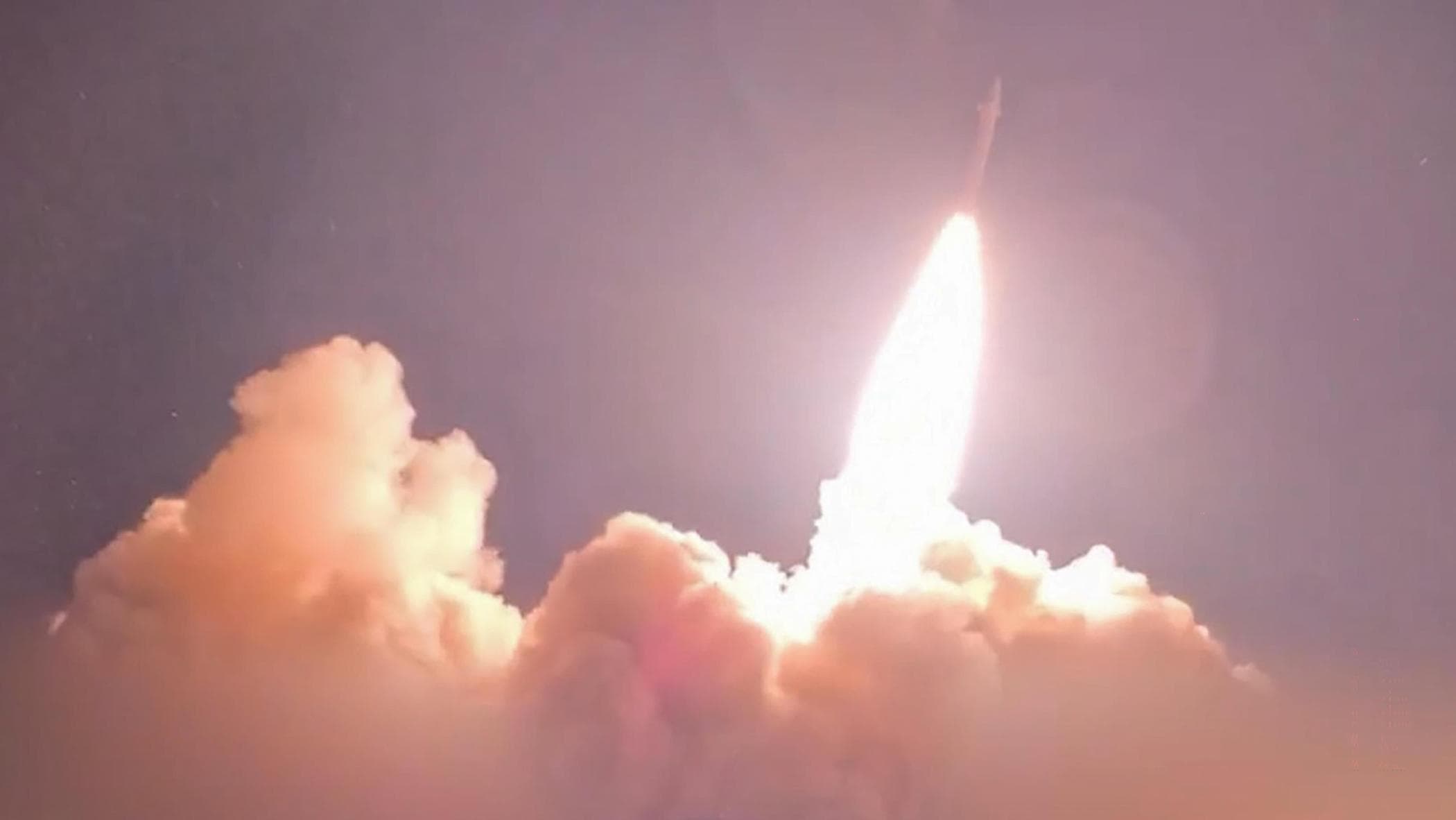
A recent Iranian strike on the Muwaffaq al-Salti airbase in Jordan resulted in two fatalities, one disappearance, and three injuries. The attack also caused significant damage, destroying fighter jets and helicopters. This incident has exposed vulnerabilities in American bases, suggesting they lack adequate defenses against advanced missile technology. The United States is reportedly investigating potential involvement from Russia and China in this development. The effectiveness of current US defense systems against these emerging threats is now under scrutiny following the devastating raid.
The reported Iranian strike in Jordan, which inflicted casualties and destroyed military assets, raises critical questions about the efficacy of existing US missile defense systems against evolving threats. The assertion of inadequate protection for American bases warrants a strategic review of defense postures and technological investments. The suspicion of Russian and Chinese involvement, if substantiated, points to a complex geopolitical landscape where advanced weaponry and strategic partnerships are increasingly intertwined. This event underscores the need for proactive adaptation in defense strategies to counter asymmetric threats and maintain regional stability in the face of technological advancements and shifting alliances over the next decade.
AI-generated to prompt reflection — not editorial opinion, not advice, not a statement of fact. How this works.