José Furtado Appointed Executive Chairman of BCI Bank in Mozambique
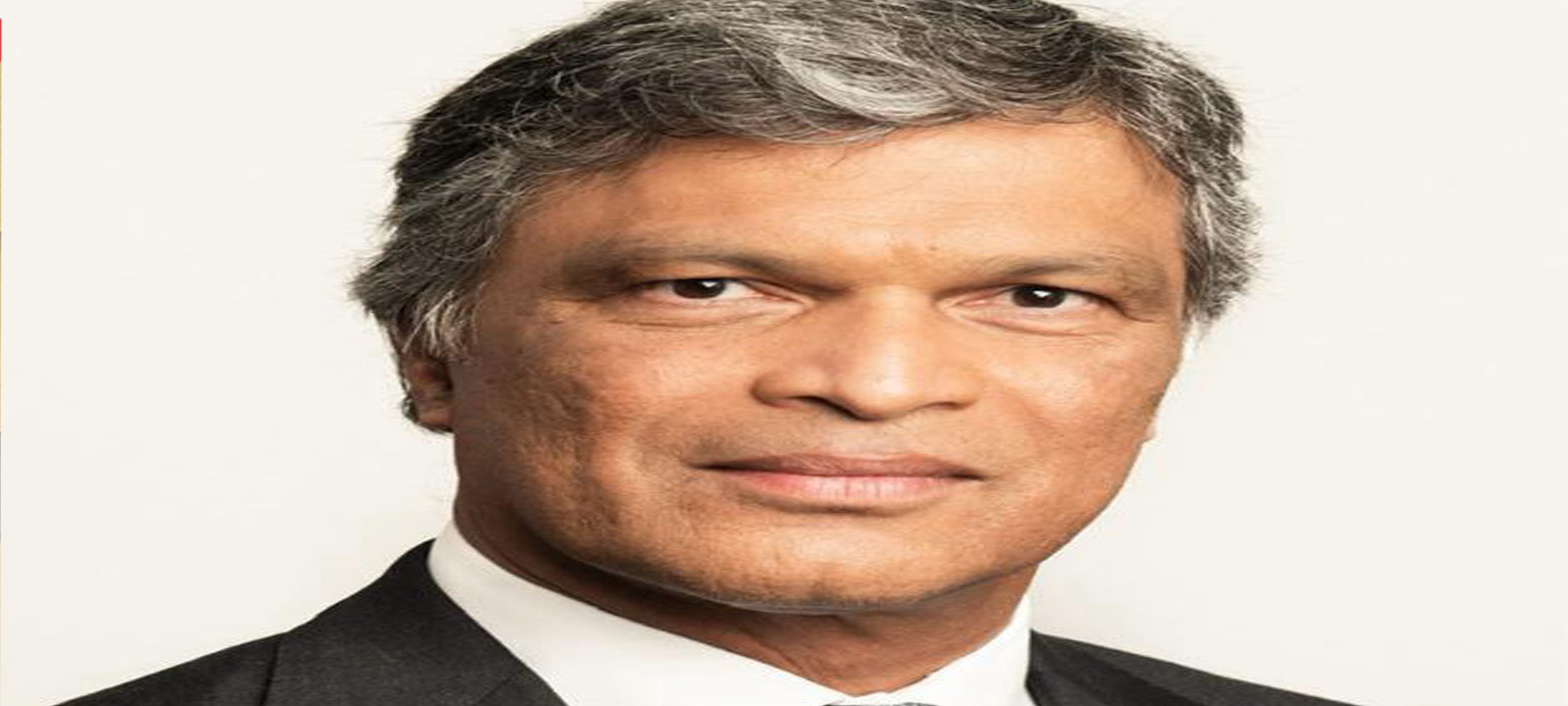
The Banco Comercial e de Investimentos (BCI) in Mozambique is entering a new governance phase with the appointment of José Furtado as the new President of the Executive Commission (PCE). This appointment follows the approval of the bank's new governing bodies by the Bank of Mozambique, with their official assumption of duties expected in the coming weeks. Furtado returns to BCI after serving on its board between 2013 and 2020. He brings over three decades of leadership experience in the financial sector, business groups, public institutions, and international organizations, gained across Mozambique, Portugal, the United States, and England. In his initial statement, Furtado expressed his commitment to continuing the bank's established legacy of trust. He believes BCI is well-positioned to evolve into a stronger, more modern, and efficient institution, enhancing its client service capabilities and its contribution to national development. The new Executive Commission, under Furtado's leadership, will also include Raúl António Correia Saraiva de Almeida, George Lenon Ibraimo Mandawa, Farhana Tayob Suleman Razak, Fátima Augusto da Conceição, Nuno Miguel Braga Pargana, and Pedro Miguel Nunes Ventaneira. This leadership transition occurs at a strategically significant time for Mozambique's financial sector. The bank has indicated that the new governing bodies will prioritize customer service excellence, financial inclusion, strengthening the national economy, and promoting sustainable development within Mozambique.
The leadership transition at BCI signifies a structured approach to institutional evolution within Mozambique's financial sector. The appointment of José Furtado, with his extensive international and domestic experience, suggests a strategic focus on leveraging past successes while modernizing operations. The stated priorities of customer service, financial inclusion, economic strengthening, and sustainable development align with broader national economic objectives. This move can be viewed through the lens of evolving governance models in emerging markets, where experienced leadership is tasked with navigating complex economic landscapes and technological advancements. The emphasis on continuity and modernization reflects a balancing act between preserving institutional stability and adapting to future market dynamics, particularly in the context of increasing digital transformation and global economic integration over the next decade.
AI-generated to prompt reflection — not editorial opinion, not advice, not a statement of fact. How this works.