Joseph Pilates: 'We are architects of our lives; happiness depends on physical well-being'
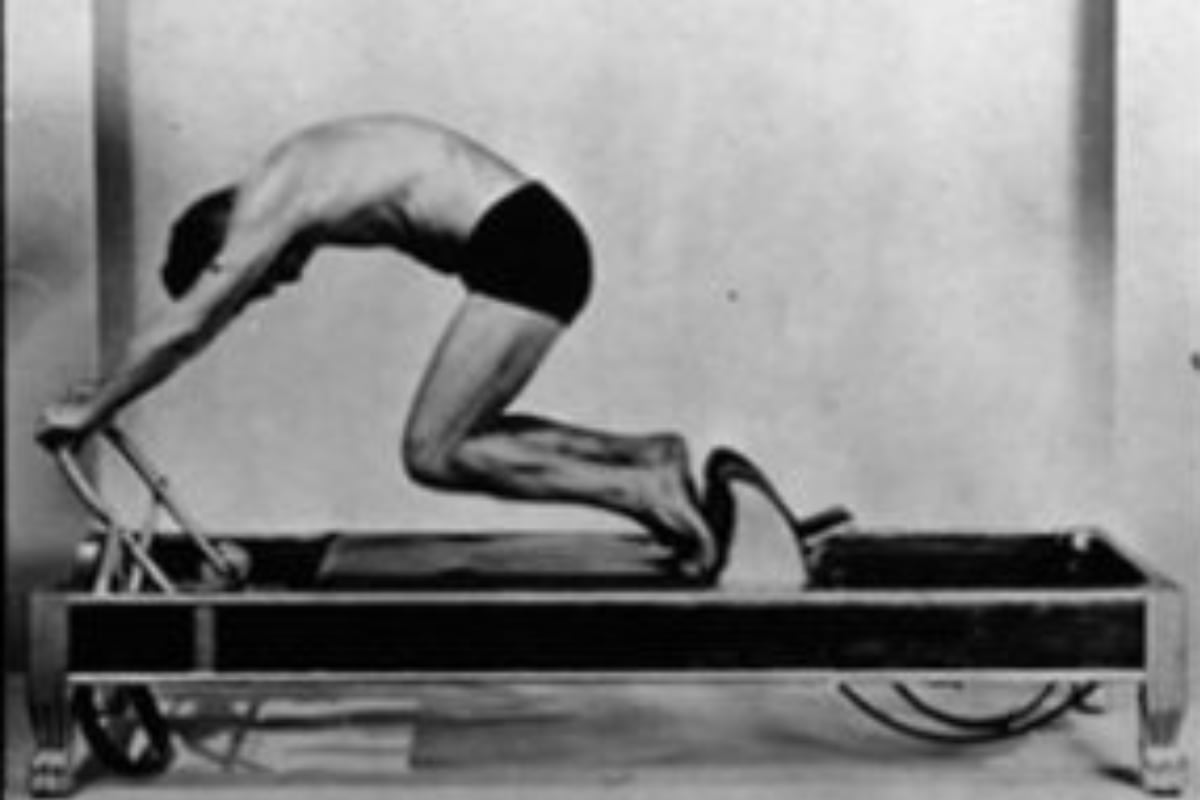
Joseph Pilates, the creator of his namesake training method, emphasized the profound connection between physical well-being and happiness, stating, "We are architects of our lives; happiness is subordinate to physical well-being above social or economic level." Melani Giommetti, an instructor interviewed by LN+, elaborated on the method's benefits, noting that the activity serves to consciously strengthen muscles over the long term. She highlighted the technique's capacity for fostering lasting physical resilience and health. The core principle of Pilates lies in controlled movements and mindful engagement with one's body, aiming to improve posture, flexibility, and core strength. This approach encourages a deeper understanding of bodily mechanics and promotes a holistic sense of wellness. Giommetti's remarks underscore the enduring relevance of Pilates as a method for achieving both physical vitality and a foundation for overall life satisfaction, irrespective of external circumstances.
The enduring philosophy of Joseph Pilates posits physical well-being as a foundational determinant of happiness, suggesting a self-directed approach to life through mindful physical cultivation. This perspective challenges societal norms that often prioritize external markers of success like social standing or wealth. In an era increasingly defined by sedentary lifestyles and digital immersion, the emphasis on conscious, long-term physical strengthening offers a counter-narrative. It prompts consideration of how individual agency in physical health can impact broader life satisfaction and resilience, independent of economic or social status. This framework invites reflection on the systemic structures that may inadvertently de-prioritize physical health, and how a greater focus on conscious movement could foster more robust individual and societal well-being in the coming decade.
AI-generated to prompt reflection — not editorial opinion, not advice, not a statement of fact. How this works.