Joseph Pilates: 'We are architects of our lives; happiness depends on physical well-being'
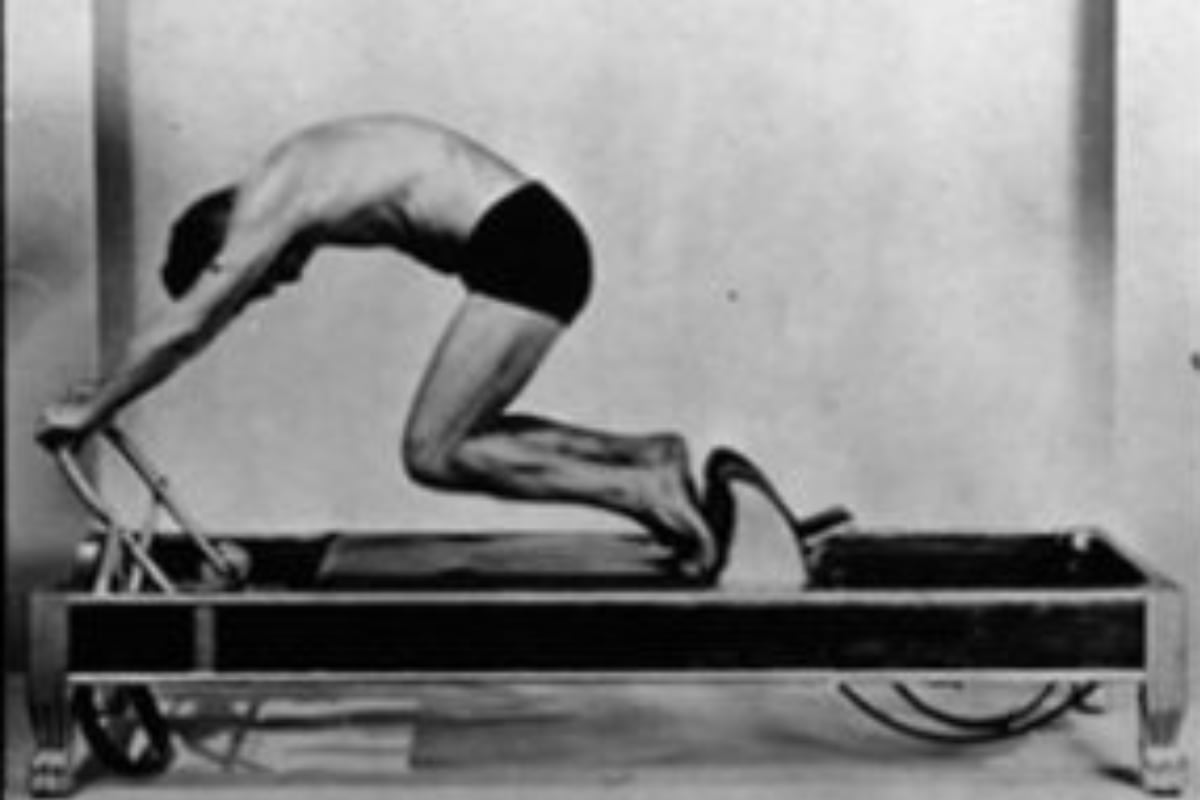
Joseph Pilates, the creator of his eponymous training method, stated that individuals are the architects of their own lives. He emphasized that happiness is fundamentally subordinate to physical well-being, surpassing social or economic status. Pilates believed that prioritizing one's physical condition is paramount for overall life satisfaction. Melani Giommetti, an instructor interviewed by LN+, elaborated on the method's benefits. She explained that the activity serves to consciously strengthen muscles over the long term. Giommetti highlighted the technique's capacity for sustained physical improvement. The core principle is that a strong and healthy body contributes directly to a happier and more fulfilling life, irrespective of external factors like wealth or social standing. The method focuses on deliberate muscle engagement and consistent practice to achieve lasting physical benefits.
The Pilates method, as articulated by its founder, frames physical health as a foundational element for happiness, independent of socioeconomic factors. This perspective emphasizes individual agency in shaping one's well-being, positioning the body as a key determinant of life satisfaction. In an era increasingly defined by sedentary lifestyles and mental health challenges, the enduring relevance of this philosophy lies in its promotion of conscious physical engagement. The long-term benefits of such practices, when integrated into daily life, can foster resilience and a sense of control, offering a counterbalance to external stressors. This approach encourages a proactive stance towards health, suggesting that investing in physical vitality is a direct pathway to a more robust and fulfilling existence.
AI-generated to prompt reflection — not editorial opinion, not advice, not a statement of fact. How this works.