Journalist Attacked During Home Invasion in Acre, Brazil
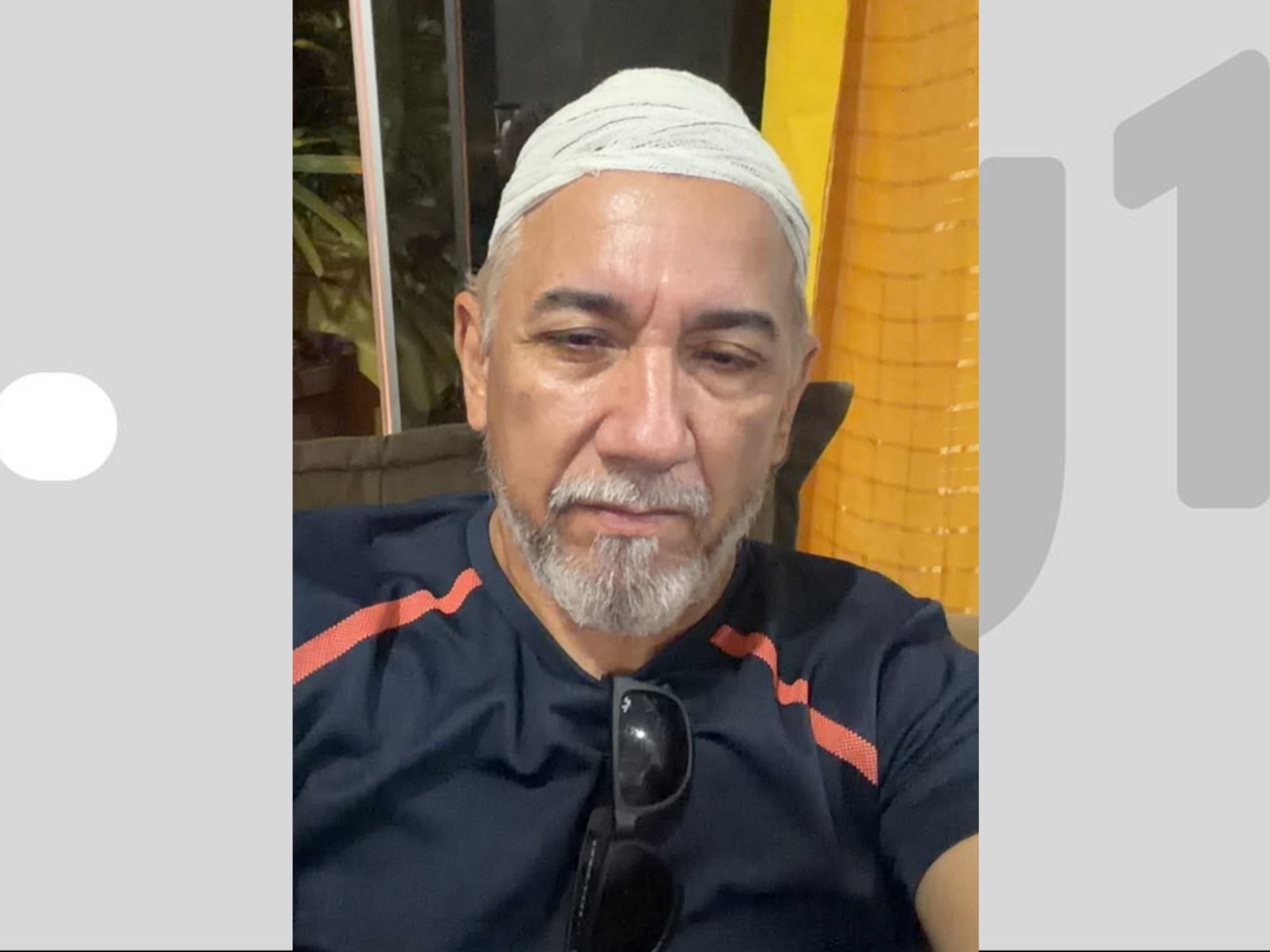
Chico Melo, a 54-year-old journalist and radio host, had his home invaded by a gang in Cruzeiro do Sul, Acre, early Wednesday morning, November 22nd. The assailants, numbering four, broke into his house, ransacked his belongings, and demanded money. Despite handing over R$3,000, cell phones, and other valuables, Melo was physically assaulted with punches and a rifle butt to the head, sustaining a cut on his forehead. The criminals searched both floors of his residence before fleeing. The incident has sparked widespread outrage and solidarity, with official statements of condemnation issued by the Cruzeiro do Sul mayor's office, the Acre State Journalists' Union (Sinjac), the National Federation of Journalists (Fenaj), the Brazilian Bar Association's Acre chapter (OAB/AC), and various politicians and authorities. Mayor Zequinha Lima described the event as a grave episode attacking freedom of expression and the democratic state. Military Police responded to the scene after the robbers left, conducting searches but making no arrests. Melo, deeply shaken, was taken to a local emergency care unit for medical attention and later went to the police station to provide a statement about the robbery. Rede Amazônica Acre confirmed Melo was giving his testimony on Wednesday.
This home invasion and assault on journalist Chico Melo in Acre, Brazil, highlights the persistent risks faced by media professionals in certain regions. While the immediate event appears to be a robbery, the targeting of a journalist raises concerns about potential intimidation or retribution, even if not explicitly stated by authorities. The swift condemnation from journalistic unions, legal bodies, and government officials underscores the perceived threat to press freedom and the rule of law. Moving forward, strengthening security measures for journalists and ensuring thorough investigations into such incidents are crucial. The case also prompts reflection on the broader societal implications of press safety, as a free and informed citizenry relies on the ability of journalists to report without fear of reprisal, a fundamental pillar of democratic societies.
AI-generated to prompt reflection — not editorial opinion, not advice, not a statement of fact. How this works.