Journalist Who Held 'Living Wake' Dies at 49 After Stomach Cancer Battle
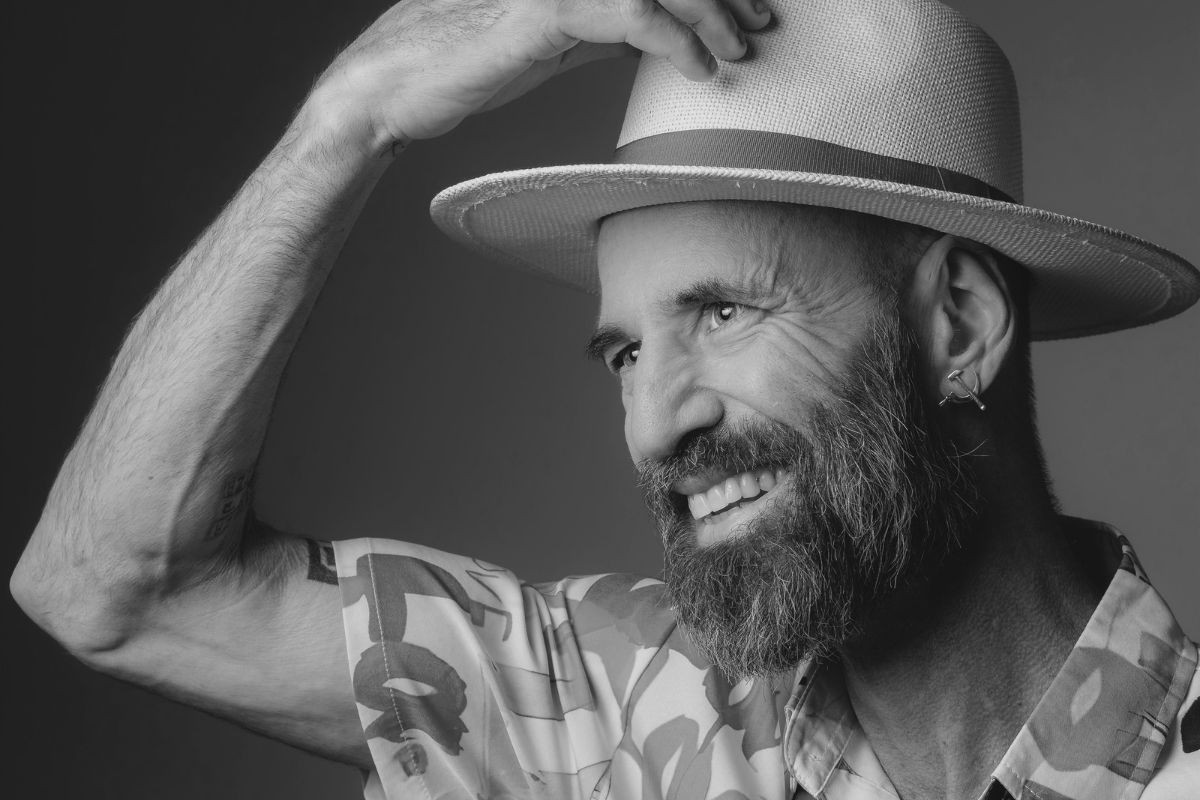
Tiago Martins Pitthan, a 49-year-old journalist, passed away on Sunday, May 5th, at the Cassems Hospital in Campo Grande, Brazil, following a battle with incurable stomach cancer. Pitthan was diagnosed with gastric adenocarcinoma, the most common form of stomach cancer, which had spread and made surgery impossible. Despite the grim prognosis, he found clarity and stated, "I have cancer, but cancer does not have me." He shared his final thoughts on social media, posting a picture with the caption, "No filter, no production. They asked me to call my family, but life... life is worth it! Maybe I'll come back here and tell you how it was. Maybe not. When in doubt, I love you!" He also posted a video reassuring his followers, expressing peace and happiness, and declaring that his life had been worthwhile. Pitthan gained significant attention for organizing a "living wake" on May 30th, which drew over 800 friends, family, and acquaintances. This event, held in a former brewery, was intended to celebrate his life while he was still able to share it with loved ones, demonstrating that the illness did not define him. Initially planned for about 50 friends, the gathering unexpectedly attracted hundreds, with attendees traveling from various Brazilian states. During the celebration, Pitthan famously stated, "People ask me what it's like to be dying. And I only have one answer: I am not dying, I am living." His wake is scheduled for Monday, May 6th, at Memorial Park.
Tiago Martins Pitthan's "living wake" offers a powerful counter-narrative to the typical fear and stigma surrounding terminal diagnoses. By proactively celebrating his life, Pitthan shifted the focus from an impending end to the value of his lived experience, demonstrating agency in the face of a devastating illness. This approach challenges societal norms that often isolate individuals with life-limiting conditions. From a public health perspective, such proactive life affirmation could foster more open conversations about mortality and palliative care, potentially reducing anxiety for both patients and their families. The event also highlights the human need for connection and validation, even in the most difficult circumstances, prompting reflection on how healthcare systems and communities can better support individuals navigating end-of-life decisions with dignity and purpose.
AI-generated to prompt reflection — not editorial opinion, not advice, not a statement of fact. How this works.