Journalists in Balochistan Face Death Threats Amidst Unsolved Murders
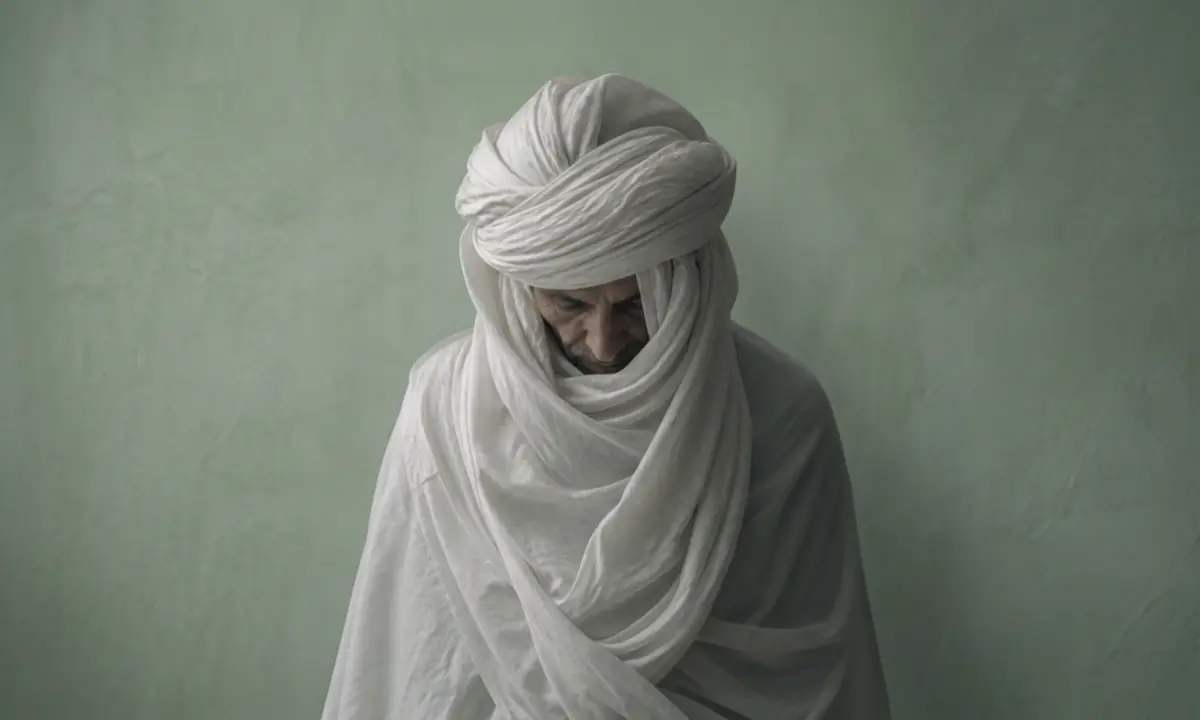
Journalists in Pakistan's Balochistan province are operating under severe threats, with some receiving direct warnings of death. A reporter from Kalat, who covers human rights, received two anonymous phone calls a year ago, warning him to expect a coffin. This incident highlights the perilous environment faced by those who report on sensitive issues. The situation is underscored by the unsolved murder of Abdul Latif Baloch, a journalist for daily Intekhab and Aaj TV, who was killed on May 24, 2025, in Mashkey, Awaran. His son, Saif, was similarly taken and his body found on March 26, 2025. The investigation into Latif's death has been hampered by the lack of an official phone number at the Mashkey Police Station and the fact that the FIR has not yet been filed. The station itself was previously set on fire, erasing records. Shahid Rind, an Aide to the Chief Minister of Balochistan, did not respond to inquiries about Latif's case. According to the Balochistan Union of Journalists, 42 journalists have been killed in the region since 2008, with no convictions recorded. Many journalists decline interviews due to security concerns, and some agree to speak only anonymously. The union advocates for a Journalists Protection Bill to classify journalism as a state-protected career, including provisions for welfare, insurance, and hostile environment training. While the government has expressed readiness to discuss such a bill, its passage remains uncertain. Journalists often resort to reporting on government press releases and handouts to mitigate risks, but even these can lead to repercussions. Mobile internet services have been intermittently suspended in areas like Panjgur and Dera Bugti since 2022 and June 2024, respectively, hindering the ability to report effectively. Print media relies heavily on government advertising, creating potential conflicts of interest. Reprisals can extend to family members, as seen when a father's salary was restricted due to his son's reporting.
The systemic silencing of journalists in Balochistan, evidenced by threats, unsolved murders, and communication disruptions, raises critical questions about governance and the rule of law. The lack of official accountability mechanisms, such as functional police stations and timely FIR filings, creates an environment where impunity for violence against the press can flourish. The reliance on government funding for local media also presents a structural conflict, potentially compromising editorial independence. To foster a sustainable and free press, legislative protections like a Journalists Protection Bill are essential, but their effectiveness hinges on robust enforcement and a genuine commitment from state actors to safeguard reporting. The broader implications suggest a significant challenge to information access and public discourse in the region, impacting citizens' ability to be informed and hold power to account, a fundamental tenet for democratic societies.
AI-generated to prompt reflection — not editorial opinion, not advice, not a statement of fact. How this works.
