Journalists need professional and psychological training to cover crises, says Yusuf Özxan
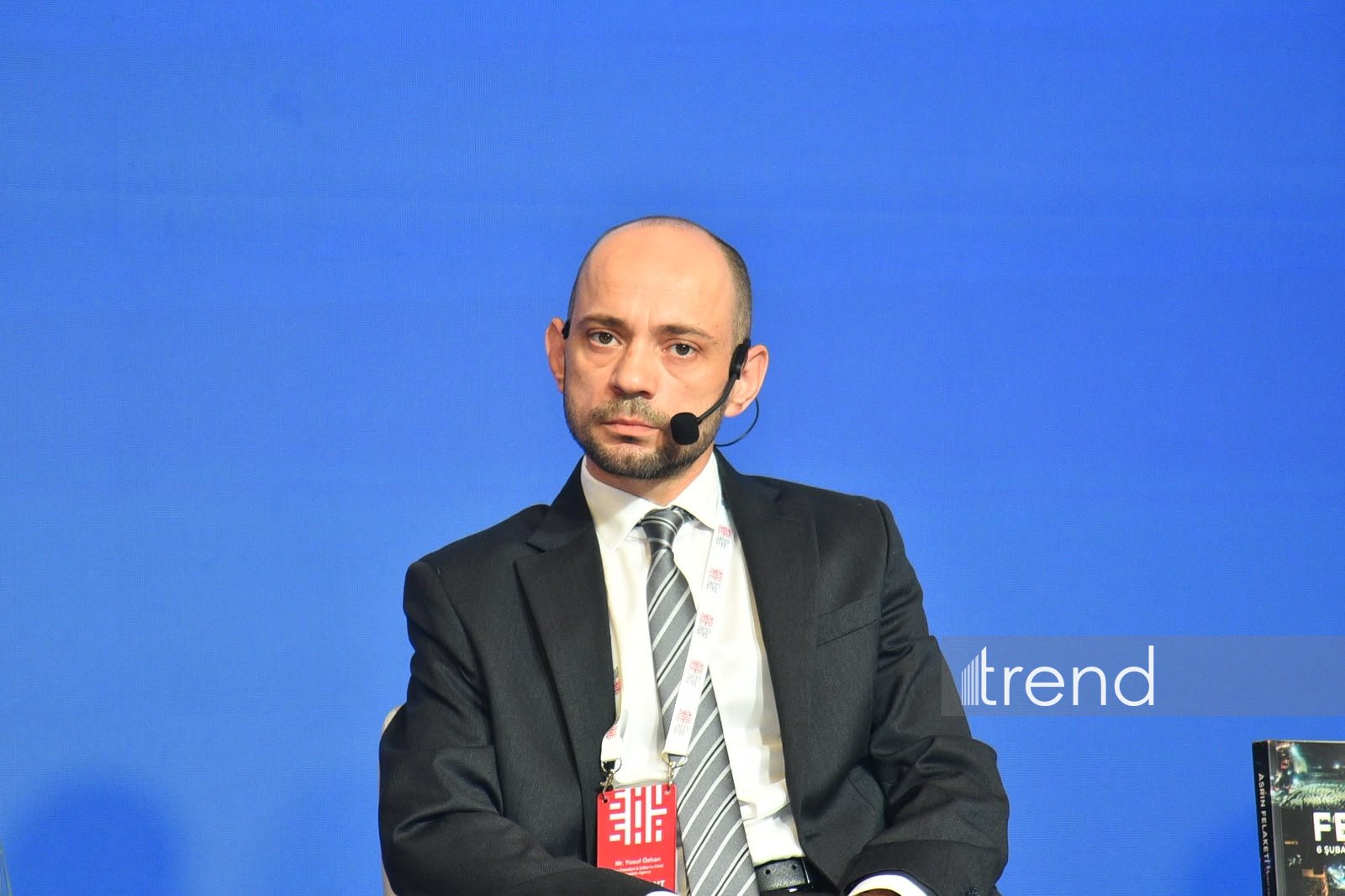
Yusuf Özxan, a journalist, has stated that covering crises requires journalists to be professionally and psychologically prepared. This assertion highlights the demanding nature of reporting on difficult and often traumatic events. He emphasizes that the psychological toll on journalists can be significant, necessitating a focus on their mental well-being alongside their professional skills.
Özxan's statement implies that standard journalistic training may not adequately equip reporters for the unique challenges posed by crisis reporting. This includes exposure to violence, suffering, and high-stress environments. Therefore, specialized training that addresses both the technical aspects of reporting in such situations and the emotional resilience needed to cope with them is crucial. The goal is to ensure journalists can perform their duties effectively while safeguarding their mental health.
Reporting on crises presents a dual challenge for journalists, requiring not only robust professional skills but also significant psychological resilience. The inherent stress and potential trauma associated with covering conflict, disaster, or societal upheaval can impact a journalist's well-being and, consequently, their ability to report objectively. Media organizations have a responsibility to provide adequate training and support systems, addressing both the technical demands of crisis reporting and the mental health implications. This proactive approach can foster a more sustainable and ethical journalistic practice, ensuring that reporters can continue to inform the public without undue personal cost, aligning with the evolving demands of the information landscape in the coming decade.
AI-generated to prompt reflection — not editorial opinion, not advice, not a statement of fact. How this works.