Journey to Badr: Through the Desert to the Heart of History
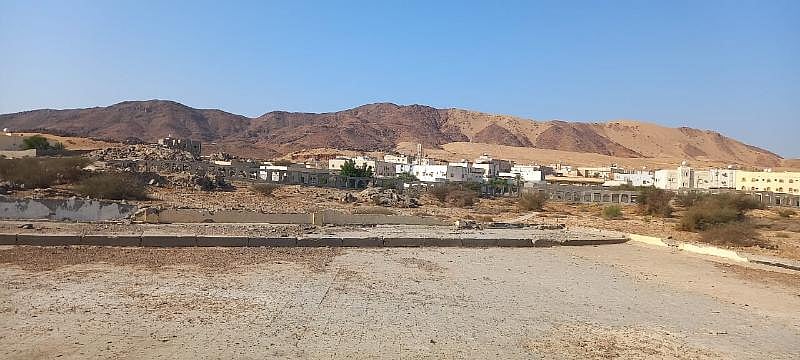
The author recounts a journey to Badr, the site of a pivotal early Islamic battle, from Medina with a friend named Simon. Traveling by car through the vast Saudi Arabian desert, the author reflects on the stark contrast between their modern, comfortable journey and the arduous trek undertaken by the Prophet Muhammad (peace be upon him) and his companions over 1400 years ago. The narrative emphasizes the historical significance of Badr, describing it as a battle for survival fought on the 17th of Ramadan in the second year of Hijri. The Muslim force numbered only 313, poorly equipped, while the Quraysh army from Mecca comprised approximately 1,000 warriors with ample arms and cavalry. The Quran refers to Badr as 'Yawm al-Furqan,' the day of distinguishing truth from falsehood, highlighting its spiritual and ethical dimensions beyond a mere military engagement. Upon reaching Badr, now a quiet, clean town, the author describes a profound sense of awe standing on the very ground where the early Muslims made their stand. The author draws parallels between the historical events and the landscape, feeling the echoes of past struggles in the desert air and silence. Key strategic decisions, such as positioning near water sources based on the advice of companion Hubab ibn Mundhir, are highlighted as examples of leadership and consultation. The divine intervention of a calming sleep and rain, as mentioned in the Quran, is also noted as a source of strength for the Muslims. The journey concludes with a reflection on the enduring lessons of Badr: the importance of unwavering faith, pure intention, and complete reliance on God, even when facing overwhelming odds. The author emphasizes that Badr's legacy is not just of military victory but of faith, patience, consultation, leadership, and divine assistance.
This narrative offers a personal pilgrimage to Badr, framing the historical battle as a testament to faith and divine intervention against material odds. The journey itself serves as a metaphor, contrasting modern convenience with historical hardship to underscore the perceived spiritual fortitude of early Muslims. The analysis focuses on the strategic and leadership aspects, such as consultation and resource management, presenting them as timeless lessons. The narrative's framing as a 'day of distinguishing truth from falsehood' positions the event as a foundational ethical and spiritual moment for Islam. The reflection on Badr's enduring relevance suggests that its lessons on faith, patience, and divine reliance transcend historical context, offering a moral compass for contemporary challenges. The author's concluding thought—that numerical majority is not essential for truth, but rather unwavering belief and trust in God—provides a framework for understanding perseverance in the face of adversity, applicable beyond religious contexts to any pursuit of deeply held principles.
AI-generated to prompt reflection — not editorial opinion, not advice, not a statement of fact. How this works.
