JPMorgan Assesses Argentina's Economic Plan Amid Electoral Uncertainty
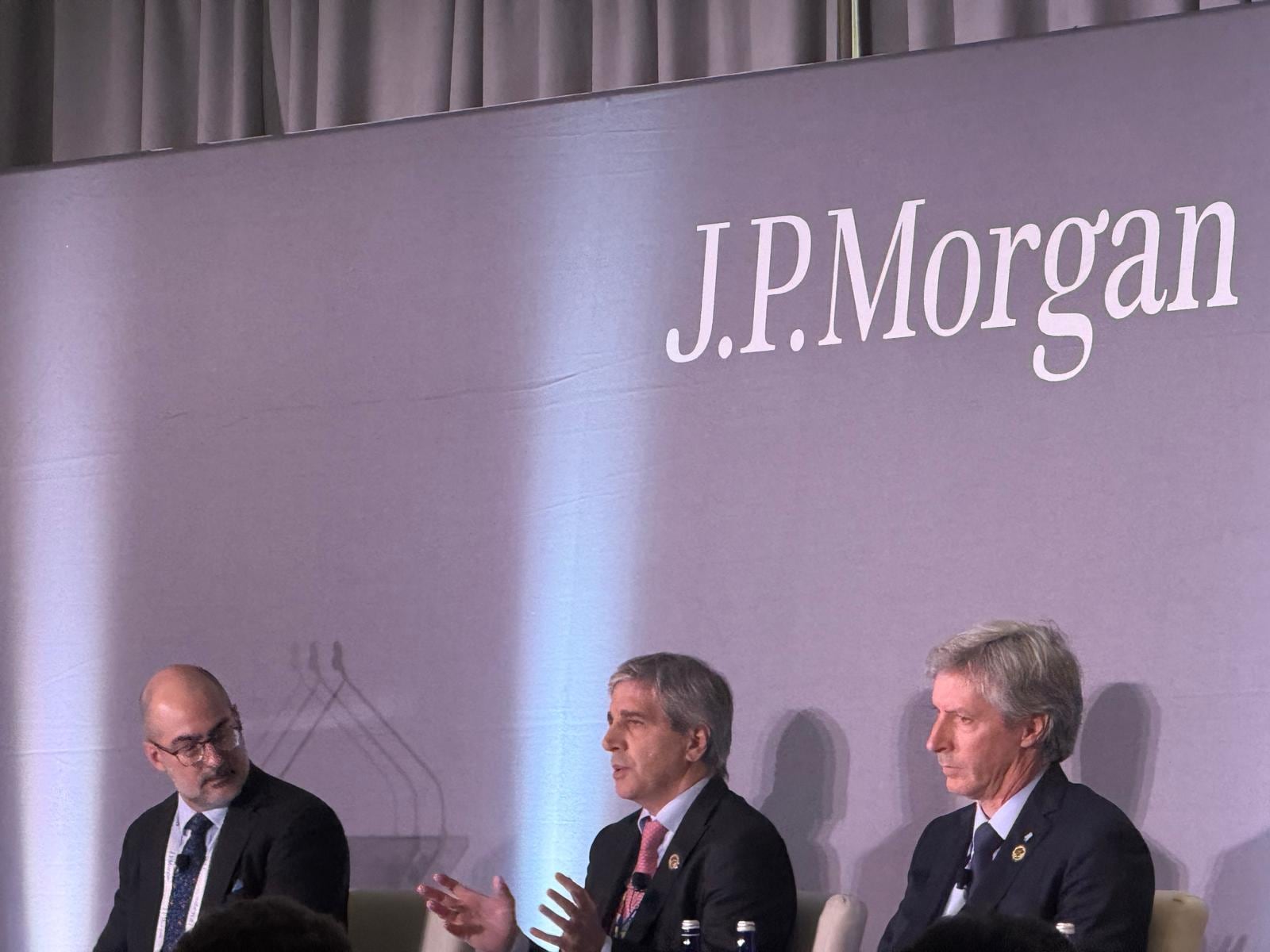
JPMorgan Chase, a leading Wall Street bank, has analyzed Argentine Economy Minister Luis Caputo's financial program, assessing its feasibility and potential impacts of increased electoral uncertainty. The bank believes the official economic projections for 2026 are achievable. However, JPMorgan cautioned that the most significant economic challenges are likely to emerge in 2027, suggesting that the country should prepare for these future hurdles. To further mitigate country risk, the bank recommended a moderate issuance of debt in international markets. This strategy could help stabilize the economy and reduce borrowing costs. The assessment highlights JPMorgan's close monitoring of Argentina's economic performance and policy decisions.
JPMorgan's assessment of Argentina's economic program and its sensitivity to electoral uncertainty highlights the delicate balance between policy execution and political stability. The bank's caution regarding 2027 suggests a forward-looking perspective on the sustainability of current fiscal adjustments and the potential for policy shifts following a presidential transition. Recommending moderate international debt issuance points to a strategy aimed at managing liquidity and reducing sovereign risk premiums, a common approach in emerging markets facing external financing needs. This analysis underscores the interplay of market confidence, institutional predictability, and macroeconomic management in shaping a nation's economic trajectory over the medium term.
AI-generated to prompt reflection — not editorial opinion, not advice, not a statement of fact. How this works.